1.The Absurdity of Anarchism
Chesterton critiques the notion of anarchism by portraying its adherents as both comical and dangerous. The various characters in the anarchist council embody a certain grotesqueness that maintains a simultaneous distance from reality while also revealing the futility of their ideals. Characters like Gregory and the other anarchists engage in outlandish discussions about overthrowing civilization, yet their actions often border on the absurd, highlighting the disconnect between their lofty philosophy and the reality of human behavior. For instance, the anarchists’ grandiose plans are wrapped in layers of irony; they seek to destroy order while displaying their own penchant for chaos. This critique suggests that without a coherent moral foundation, even the most fervent ideologies can devolve into farce, underscoring the necessity of order and governance to maintain societal harmony.
2.The Duality of Human Nature

The novel delves into the complexities of human nature, particularly through the character of Gabriel Syme, who straddles the line between order and chaos. Initially, Syme is portrayed as a diligent detective committed to upholding the law against anarchist threats. However, as he becomes entangled in the anarchists' world, his identity begins to blur. This duality is encapsulated in his interactions with Gregory, where both characters recognize their shared vulnerabilities and complexities. Syme's journey reveals that the struggle between order and chaos exists within each individual. He is a policeman deprived of the assistance of his institution but finds himself navigating a world replete with anarchists who are equally isolated from their own ideals. This exploration of duality prompts readers to reflect on their own moral dilemmas and the multifaceted nature of human motivations, suggesting that everyone possesses an internal conflict between upholding societal norms and the allure of rebellion.
3.The Surreal Nature of Reality
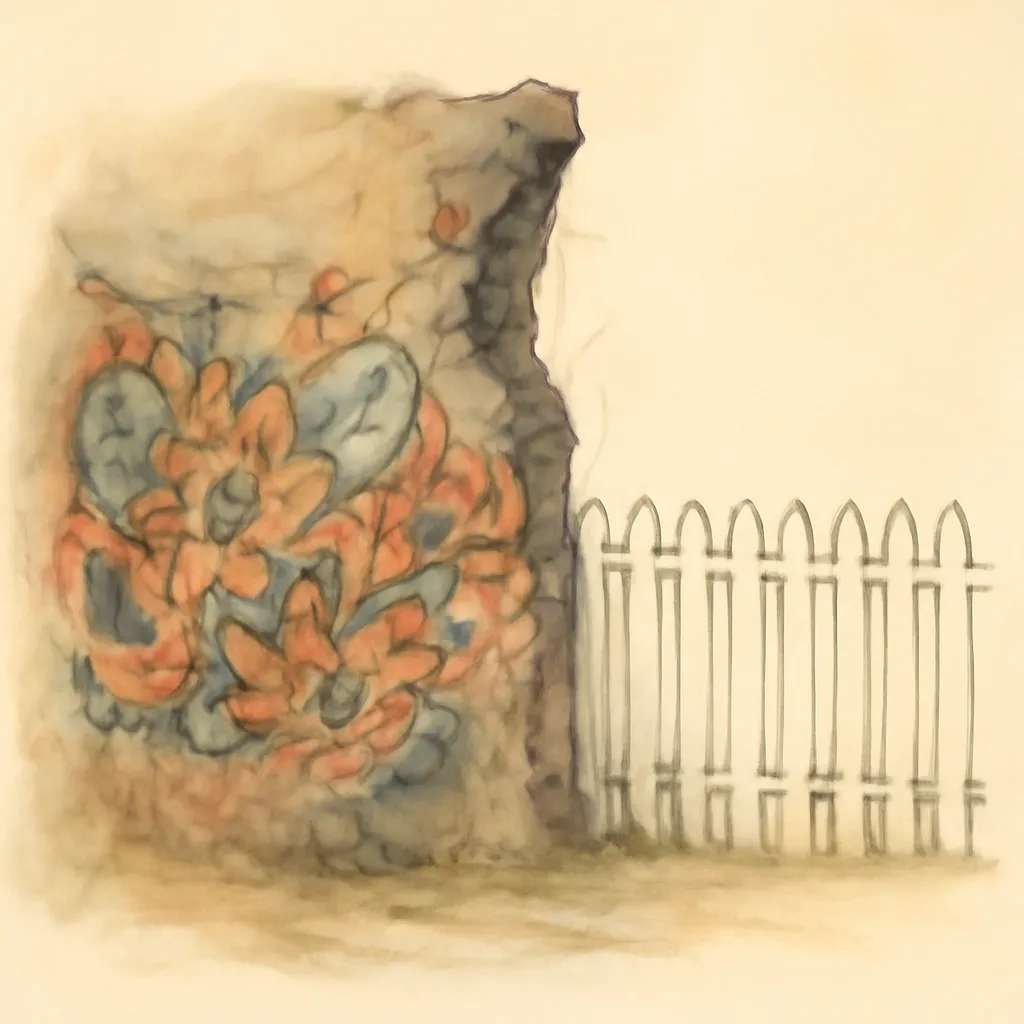
Chesterton crafts a narrative that challenges the perceptions of reality through surreal and fantastical elements. The setting of Saffron Park, with its whimsical architecture and eccentric inhabitants, serves as a metaphor for the bizarre nature of human existence. The very architecture of this place reflects its inhabitants; colorful yet chaotic, it amplifies the sense of absurdity that permeates the story. As Syme navigates this dreamlike world, he encounters characters that embody exaggerated traits. The bizarre interactions and events serve to amplify the narrative's themes, allowing readers to question the reliability of their perceptions. Through Syme’s experiences, Chesterton explores the idea that reality is often shaped by our beliefs and fears. The surreal tapestry of the plot serves as a reminder that life can defy logic, urging readers to reconsider the nature of their own realities and the absurdity intertwined with everyday existence.
4.The Quest for Identity
Throughout the novel, the theme of identity is paramount as Syme grapples with his role as both a detective and a poet. His infiltration into the anarchist council forces him to adopt a false persona, leading to an internal conflict between his true self and the identity he must project. This quest for identity is echoed in the other characters, each of whom harbors secrets and masks that obscure their true intentions. For instance, the mysterious figure of Sunday represents the ultimate enigma, embodying both authority and chaos. As Syme's journey progresses, he wrestles with the realization that to understand the world, he must first understand himself. His struggle to maintain his identity amidst the chaos serves as a reflection of a broader search for meaning in a world rife with contradictions. The narrative emphasizes that one's identity is not fixed but rather a fluid construct shaped by experiences, choices, and the context of social interactions.
5.The Role of Fate and Providence

Fate plays a significant role in 'The Man Who Was Thursday,' as characters find themselves at the mercy of forces beyond their control. The unexpected twists in the plot serve as reminders of the unpredictability of life. Syme’s initial mission to thwart the anarchists leads him into a series of encounters that reveal a divine hand at work, guiding him toward inevitable confrontations. The characters’ paths intertwine in ways that suggest a predestined narrative, challenging the idea of free will. Chesterton's portrayal of fate as an active participant in the narrative hints at a universe governed by higher principles, where chaos and order are part of a greater design. This theme culminates in Syme's final confrontation with Sunday, where the culmination of their respective journeys reveals the interconnectedness of their destinies. By embracing the notion of providence, Chesterton invites readers to consider the possibility that life’s chaos may harbor deeper meanings and lessons.
6.Philosophical Explorations of Order and Chaos
Chesterton engages in a philosophical discourse on the nature of order and chaos, examining how these concepts shape human behavior and societal structures. The anarchists' desire to dismantle societal norms is juxtaposed with Syme's commitment to preserving order, leading to a profound exploration of the balance between freedom and responsibility. Discussions among the characters often transcend the immediate plot, delving into the implications of their beliefs on the broader societal landscape. For instance, the anarchists' arguments for liberation are countered by Syme's insistence on the necessity of order for a functioning society. Chesterton illustrates that both order and chaos are essential to the human experience, prompting readers to reflect on the need for balance in their own lives. The narrative suggests that without the constraints of order, society risks descending into chaos, yet too much order may stifle individuality and creativity. This tension invites readers to contemplate where they stand on this spectrum and the implications for their own worldviews.
7.The Power of Imagination
Imagination emerges as a vital theme within the narrative, serving as both a tool for understanding and a means of escape. Syme's identity as a poet underscores the importance of imagination in shaping his worldview. His journey into the anarchist realm becomes a metaphorical exploration of the creative mind, where fantastical ideas collide with harsh realities. Chesterton suggests that imagination can illuminate truths that reason alone may overlook, enabling individuals to confront their fears and desires. The surreal experiences that Syme encounters challenge him to harness his imagination to navigate a world that often defies logic. This theme resonates with readers, encouraging them to embrace their imaginative faculties as a means of making sense of the complexities of life. By portraying imagination as a powerful force, Chesterton invites readers to consider how creativity can enable resilience in the face of chaos and uncertainty.
8.The Nature of Evil
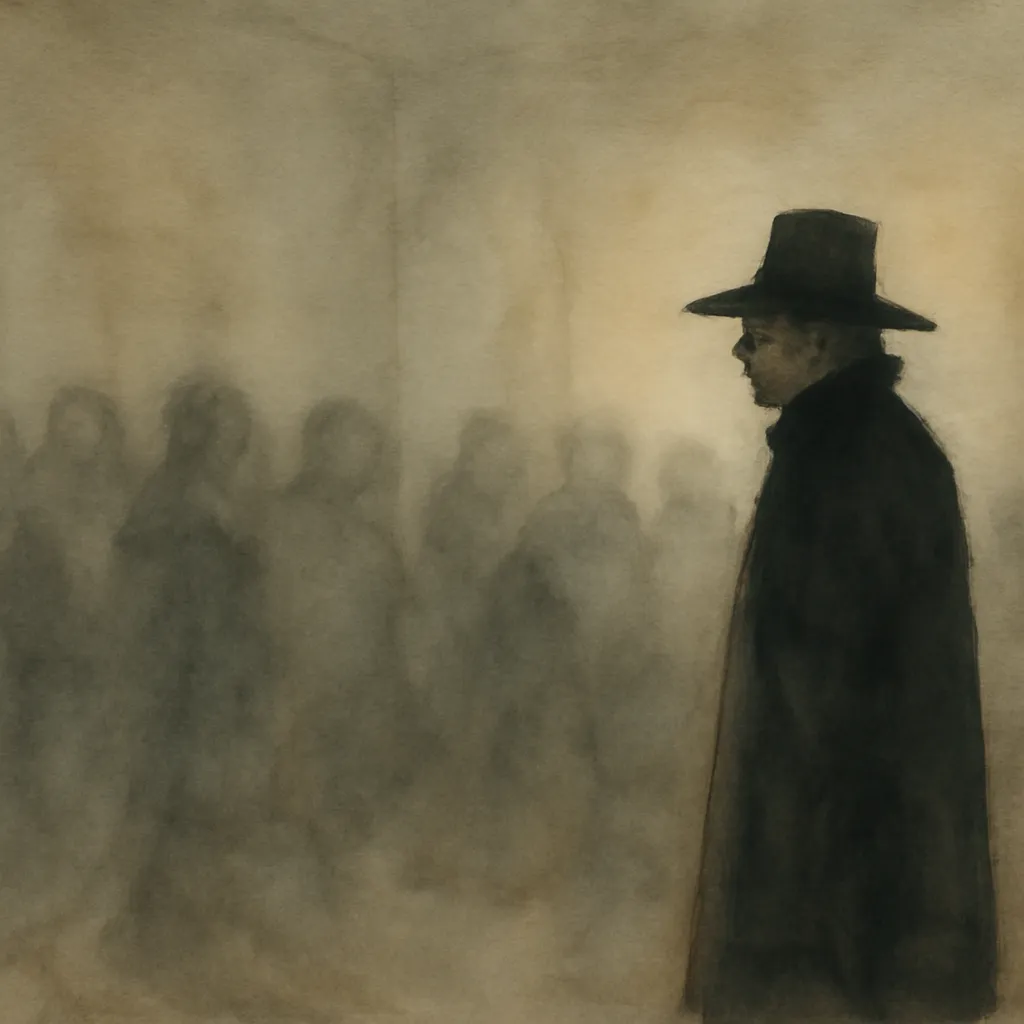
Chesterton's exploration of evil is intricately woven into the fabric of the story, particularly through the character of Sunday, who embodies a malevolent force that transcends conventional definitions of good and evil. As the narrative unfolds, Syme's encounters with Sunday reveal the nature of evil as both seductive and destructive. Sunday’s charisma and authority draw characters into his orbit, challenging their convictions and moral certitude. Chesterton portrays evil not merely as an external adversary but as an internal struggle that each character must confront. This nuanced portrayal invites readers to reflect on the complexities of morality. The true nature of evil lies not just in its outward manifestations but in the choices individuals make when faced with temptation. The narrative compels readers to confront their own understanding of good and evil in a world where the lines are often blurred. This exploration serves as a reminder of the ongoing struggle within humanity to define morality amidst chaos.
9.Community and Solidarity
The theme of community emerges as a crucial element in 'The Man Who Was Thursday,' contrasting the individualistic tendencies of the anarchists with the bonds formed among Syme and his fellow detectives. As Syme becomes entrenched in the anarchist council, he recognizes the importance of solidarity among the detectives as they work together to thwart the anarchists' plans. This camaraderie highlights the power of collective action in the face of chaos. Chesterton emphasizes that true strength lies not in individual rebellion but in the unity of purpose among those who seek to uphold justice and order. The detectives’ shared experiences foster a sense of belonging, illustrating how community can provide support and resilience in tumultuous times. Ultimately, the narrative advocates for the value of collaboration as a means of confronting the challenges of existence, suggesting that collective identity can empower individuals to navigate a chaotic world.