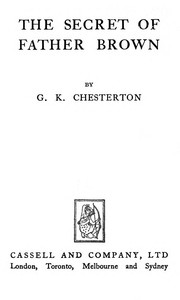

Discover the intricate world of crime and morality through the eyes of a humble priest detective
Read full overviewShow less›
In 'The Secret of Father Brown', G.K. Chesterton introduces us to Father Brown, an unassuming priest whose keen understanding of human nature allows him to solve complex crimes. Each story unfolds like a puzzle, revealing not only the dark motives behind criminal acts but also the profound insights into the human spirit. Through Father Brown's gentle yet perceptive observations, readers are invited to consider the moral complexities that often accompany crime. The tales blend wit, philosophy, and mystery, leaving readers to ponder the nature of good and evil. This collection ultimately challenges our perceptions of justice and redemption, making us question how well we truly understand those around us.
The stories in 'The Secret of Father Brown' offer a rich tapestry of moral inquiry, exploring the complexities of crime, justice, and human nature. Chesterton's unique blend of mystery and philosophy invites readers to reflect on their own beliefs and the societal influences that shape them. Through Father Brown's compassionate lens, we are reminded that understanding and empathy are essential in navigating the moral dilemmas of life. The collection not only entertains but also challenges us to deepen our understanding of ourselves and others, fostering a more humane perspective on crime and redemption. Ultimately, these tales serve as a timeless reminder of the intricate dance between light and darkness within the human soul.
Ratings at a glance
- 1The Unlikely Detective
- 2The Nature of Evil
- 3Crime as a Reflection of Society
- 4The Role of Faith
- 5The Complexity of Justice
Notable quotes
“The Dark Ages tried to make a science about good people.”
“Every conceivable sort of man has been a saint.”
“I suspect you will find, too, that every conceivable sort of man has been a murderer.”
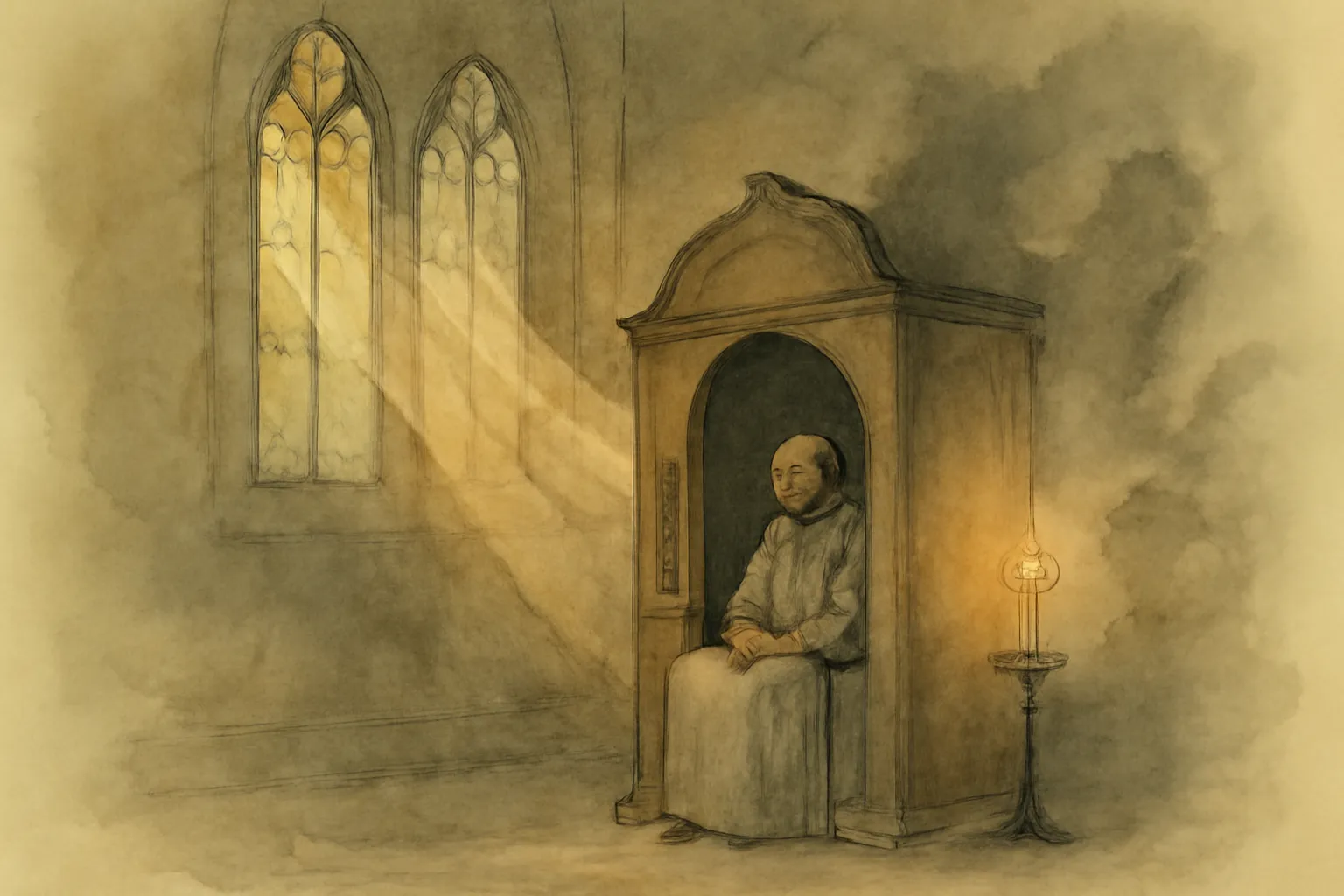
A glimpse inside

Father Brown, the protagonist, is not your typical detective. He is a priest, often underestimated due to his humble appearance and demeanor. Read moreFather Brown, the protagonist, is not your typical detective. He is a priest, often underestimated due to his humble appearance and demeanor. However, it is precisely this simplicity that allows him to see beyond the surface of human behavior. Unlike traditional detectives who rely on logic and deduction, Father Brown employs empathy and a deep understanding of the human soul to unravel mysteries. For instance, in 'The Man with Two Beards', he challenges the scientific approach of Professor Crake, emphasizing that the motivations behind crimes are often rooted in complex emotional landscapes rather than mere rationality. This perspective urges readers to consider the psychological factors at play in criminal behavior, highlighting that understanding a person's motivations can be as crucial as the evidence itself. His ability to navigate the murky waters of human emotion sets Father Brown apart, allowing him to approach each case with a blend of insight and compassion. Show less
Throughout the stories, Chesterton explores the concept of evil and its manifestation in human actions. Father Brown suggests that every person has the capacity for both… Read moreThroughout the stories, Chesterton explores the concept of evil and its manifestation in human actions. Father Brown suggests that every person has the capacity for both good and evil, which complicates the idea of morality. In 'The Song of the Flying Fish', Mr. Peregrine Smart's obsession with his golden fish symbolizes the superficial desires that can lead to moral corruption. The juxtaposition of materialism against spiritual values serves to remind readers that what we covet can often lead us astray. Father Brown's investigations reveal that even the most seemingly mundane characters can harbor dark secrets, prompting readers to reflect on their own moral compasses and the duality of human nature. By portraying crime as a reflection of deeper personal desires, Chesterton invites readers to grapple with the uncomfortable notion that understanding evil requires acknowledging its presence within themselves. Show less
Read the full text — free
About the author
G. K. Chesterton has 5 works free to read on Lumina, including The Ballad of the White Horse, The innocence of Father Brown, The Man Who Was Thursday: A Nightmare