1.The Unlikely Detective

Father Brown, the protagonist, is not your typical detective. He is a priest, often underestimated due to his humble appearance and demeanor. However, it is precisely this simplicity that allows him to see beyond the surface of human behavior. Unlike traditional detectives who rely on logic and deduction, Father Brown employs empathy and a deep understanding of the human soul to unravel mysteries. For instance, in 'The Man with Two Beards', he challenges the scientific approach of Professor Crake, emphasizing that the motivations behind crimes are often rooted in complex emotional landscapes rather than mere rationality. This perspective urges readers to consider the psychological factors at play in criminal behavior, highlighting that understanding a person's motivations can be as crucial as the evidence itself. His ability to navigate the murky waters of human emotion sets Father Brown apart, allowing him to approach each case with a blend of insight and compassion.
2.The Nature of Evil
Throughout the stories, Chesterton explores the concept of evil and its manifestation in human actions. Father Brown suggests that every person has the capacity for both good and evil, which complicates the idea of morality. In 'The Song of the Flying Fish', Mr. Peregrine Smart's obsession with his golden fish symbolizes the superficial desires that can lead to moral corruption. The juxtaposition of materialism against spiritual values serves to remind readers that what we covet can often lead us astray. Father Brown's investigations reveal that even the most seemingly mundane characters can harbor dark secrets, prompting readers to reflect on their own moral compasses and the duality of human nature. By portraying crime as a reflection of deeper personal desires, Chesterton invites readers to grapple with the uncomfortable notion that understanding evil requires acknowledging its presence within themselves.
3.Crime as a Reflection of Society
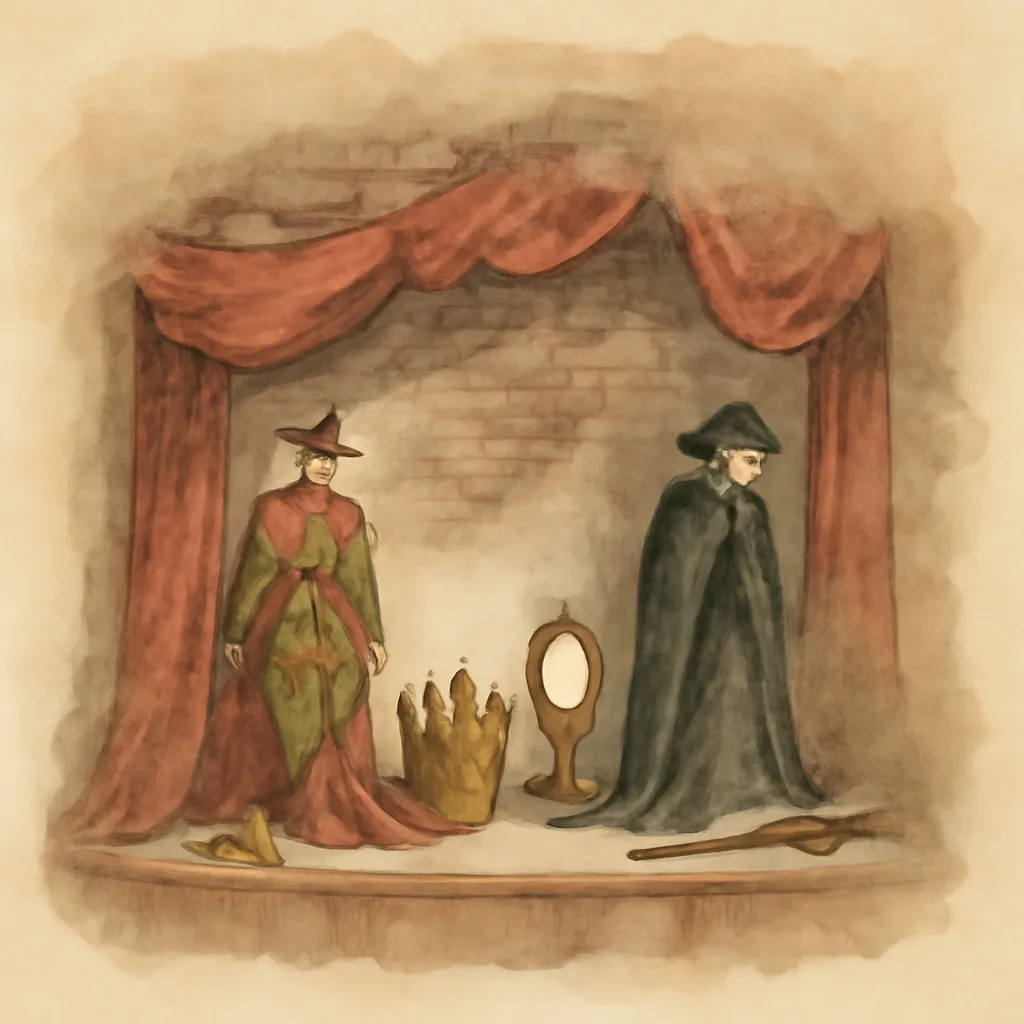
Chesterton uses crime in these stories as a lens to examine societal issues. The characters often embody various aspects of society, revealing the underlying tensions and moral dilemmas present in their lives. For example, in 'The Actor and the Alibi', the theatrical world serves as a backdrop for exploring themes of identity and deception. Mandeville's struggles reflect the pressure to maintain appearances, drawing parallels to societal expectations in general. This narrative encourages readers to consider how the pressures of societal norms can influence individual behavior and moral decisions. The tensions between personal desires and societal expectations become a breeding ground for moral conflict, illustrating how crime can emerge from the clash between individual integrity and societal demands. Chesterton's exploration of crime as a social construct challenges readers to rethink their understanding of justice and accountability within the framework of society.
4.The Role of Faith
Father Brown's faith plays a significant role in his approach to solving crimes. His belief in the inherent goodness of people, despite their flaws, allows him to remain compassionate toward even the most despicable characters. In 'The Vanishing of Vaudrey', his unwavering faith helps him navigate a situation filled with distrust and suspicion. This perspective underscores the importance of forgiveness and understanding, suggesting that redemption is possible for everyone. Father Brown's faith is not merely dogmatic; it is a guiding force that informs his interactions with those he encounters. He often views criminals through the lens of potential redemption, which allows him to connect with them on a human level. This compassionate approach encourages readers to adopt a more forgiving attitude in their own lives, illustrating how faith can guide moral judgment beyond the confines of rigid legalism.
5.The Complexity of Justice

Justice is a recurring theme in Father Brown's adventures, often portrayed as more nuanced than mere punishment. In 'The Worst Crime in the World', Father Brown engages with the idea that the real crime lies not just in the act of murder but in the motivations that lead to it. This story challenges conventional notions of justice by suggesting that understanding the reasons behind a crime can lead to more meaningful resolutions. Chesterton prompts readers to consider whether true justice involves punishment or a deeper understanding of human motivations. This exploration of justice raises questions about rehabilitation versus retribution, ultimately advocating for a more compassionate approach to crime and its consequences. The narrative encourages reflection on the societal systems in place that often prioritize punishment over understanding, urging readers to consider how they can contribute to a more just society by addressing the root causes of criminal behavior.
6.Friendship and Loyalty
The relationships between characters often highlight themes of friendship and loyalty, underscoring their significance in navigating moral dilemmas. Flambeau, a former criminal turned detective, exemplifies this bond through his friendship with Father Brown. Their interactions reveal a deep trust and mutual respect, which transcends their pasts. In 'The Red Moon of Meru', the loyalty displayed among the characters illustrates how personal connections can influence decisions and actions, sometimes leading to both noble and ignoble outcomes. Chesterton emphasizes that loyalty can be a double-edged sword, leading individuals to make morally questionable choices in the name of friendship. This exploration of loyalty encourages readers to evaluate how their own loyalties shape their moral choices and to consider the ethical implications of standing by friends during difficult times.
7.The Power of Observation
Father Brown's keen observational skills set him apart from other detectives. His ability to notice details that others overlook allows him to piece together the puzzle of each crime. In 'The Chief Mourner of Marne', his attention to seemingly trivial details ultimately leads to a significant revelation. This highlights the importance of observation and attentiveness in understanding the complexities of human behavior. Chesterton suggests that by slowing down and truly observing our surroundings and the people within them, we can gain insights that might otherwise remain hidden. Father Brown’s deliberate attention to detail serves as a reminder that often the most profound truths are found in the everyday, urging readers to cultivate mindfulness in their daily lives. By doing so, we might uncover the mysteries of our own lives and the lives of those around us.
8.Philosophy of Crime
The stories delve into philosophical discussions about the nature of crime and morality. Father Brown often engages in conversations that reflect on the ethical implications of actions, prompting readers to consider their own beliefs about right and wrong. In 'The Man with Two Beards', the discussions with Professor Crake reveal differing perspectives on criminal behavior, emphasizing that morality is not always black and white. This philosophical inquiry encourages readers to engage with the complexities of moral decision-making, suggesting that understanding different viewpoints can enrich our own moral frameworks. Chesterton’s exploration of philosophy within the context of crime challenges readers to think critically about their own ethical beliefs and the societal constructs that shape them. This interplay of philosophy and crime in these tales invites readers to reflect on the moral choices they face daily.
9.Redemption and Forgiveness

Redemption is a central theme in Father Brown's interactions with criminals. His belief in the possibility of change allows him to approach each case with compassion. In 'The Worst Crime in the World', the exploration of a murderer's motivations opens the door to discussions about forgiveness and the potential for redemption. Father Brown's understanding that everyone is capable of change resonates with readers, encouraging a more humane perspective on crime. This theme underscores the idea that understanding and compassion can lead to healing, both for the perpetrator and the victim. Chesterton's portrayal of redemption challenges readers to consider how they can foster forgiveness in their own lives, illustrating that acknowledging the potential for change in others is essential for a more compassionate society. The notion that everyone carries the seeds of redemption prompts a call to action, inspiring readers to seek out paths of understanding and forgiveness rather than judgment.
10.The Interplay of Light and Darkness
Chesterton often employs the motif of light and darkness to explore themes of knowledge and ignorance. Father Brown's insights shine a light on the hidden truths of human nature, contrasting with the darkness of crime and moral ambiguity. In 'The Red Moon of Meru', the bazaar setting highlights the clash between appearances and reality, as characters navigate the complexities of their desires and motivations. This interplay serves as a metaphor for the human experience, suggesting that understanding the light within ourselves and others can illuminate the path toward moral clarity. Chesterton's use of light and darkness encourages readers to seek truth and understanding in their own lives, emphasizing the transformative power of knowledge. By illuminating the complexities of human nature, he inspires a deeper exploration of our own moral landscapes and the challenges we face in seeking the truth in a world filled with shadows.