
The Wisdom of Father Brown reveals that true understanding of human nature is the key to solving life's mysteries
Read full overviewShow less›
G. K. Chesterton's 'The Wisdom of Father Brown' presents a series of captivating mysteries solved by the unassuming yet astute priest, Father Brown. Through his unique lens, the stories explore themes of morality, human fallibility, and the nature of crime. Each tale is not just a whodunit but a profound meditation on the complexities of the human condition. Readers will find themselves drawn into a world where appearances deceive, and only a deeper understanding of human motives can unveil the truth. Chesterton's blend of wit, wisdom, and insight into the darker corners of human nature makes this collection a timeless exploration of morality and justice.
In 'The Wisdom of Father Brown', G. K. Chesterton crafts a collection of stories that transcend mere mystery-solving, delving into the intricacies of human nature, morality, and the pursuit of justice. Through the character of Father Brown, readers are invited to explore the depths of empathy, compassion, and understanding as essential tools in addressing crime and human failings. The tales remind us that the path to truth is often winding and fraught with complexity, urging us to look beyond the surface and seek the deeper motivations that drive our actions. Ultimately, Chesterton's work encourages a more humane approach to justice, one that recognizes the potential for redemption and the importance of understanding in a world filled with moral ambiguity.
Ratings at a glance
- 1The Unlikely Detective
- 2Morality and Human Fallibility
- 3The Role of Faith in Understanding
- 4The Complexity of Crime
- 5Empathy as a Tool for Justice
Notable quotes
“I think a moral impossibility the biggest of all impossibilities.”
“You have not told him...”
“We are all dead.”
A glimpse inside

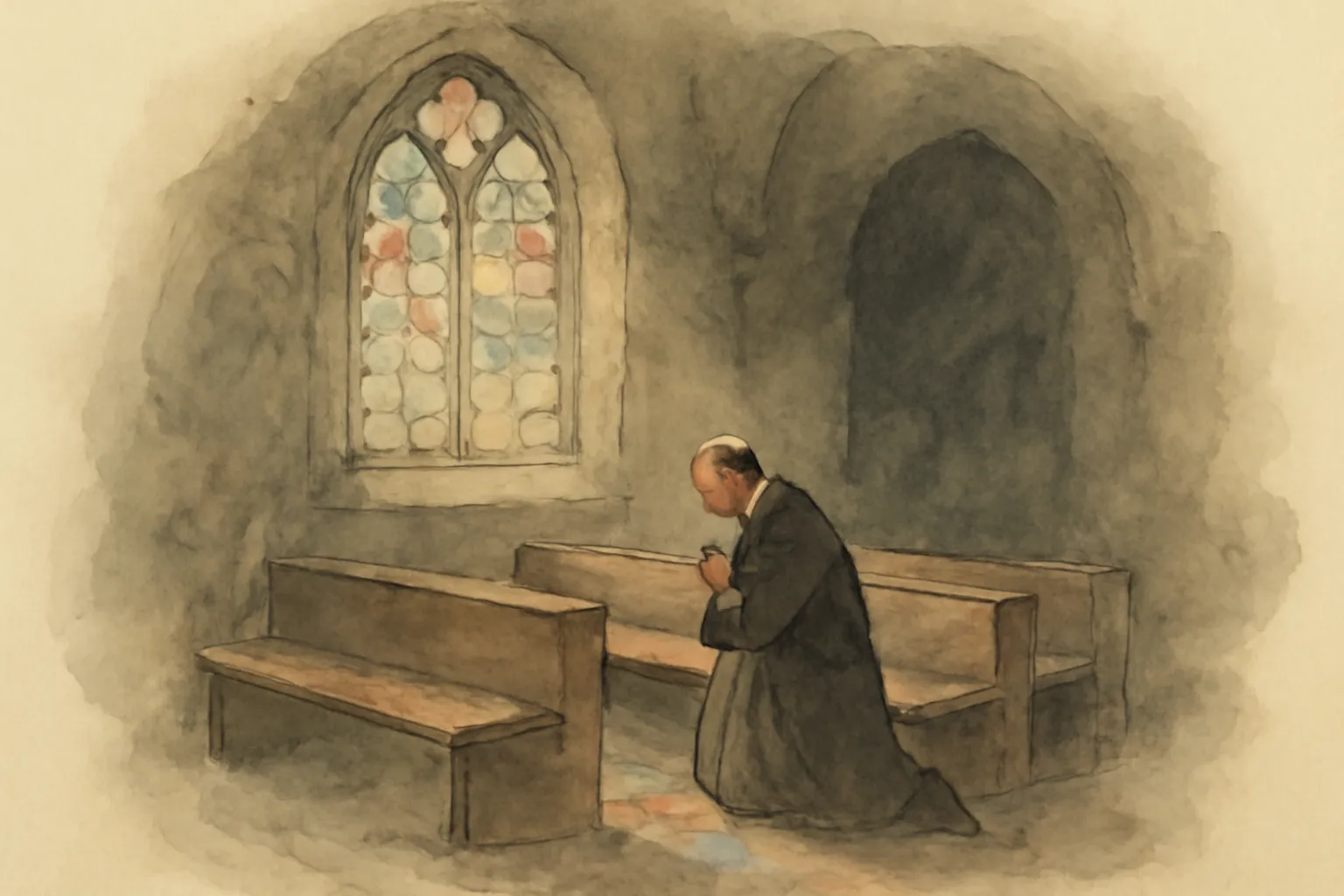
Father Brown, a seemingly simple priest, embodies the idea that true insight comes not from intellect alone but from understanding human nature. Read moreFather Brown, a seemingly simple priest, embodies the idea that true insight comes not from intellect alone but from understanding human nature. His approach to solving crimes is rooted in empathy rather than mere logic. Brown often sees beyond the surface, revealing the motivations and fears that drive individuals to commit crimes. This perspective allows him to connect with both victims and perpetrators, offering a unique vantage point that traditional detectives lack. For instance, in the story where he unravels the blackmail plot involving Mr. Todhunter and Mr. Glass, he attentively analyzes their interactions and deduces that the dynamics at play are far more complex than they appear. This showcases how the priest's understanding of human character often leads him to the truth faster than any forensic detail. Father Brown's character challenges the stereotype of the detective, suggesting that wisdom and compassion can be as powerful as intellect, enabling us to see the truth hidden beneath layers of deceit. Show less
The stories in 'The Wisdom of Father Brown' delve into the moral complexities of crime and punishment. Chesterton presents a world where characters are not simply good or… Read moreThe stories in 'The Wisdom of Father Brown' delve into the moral complexities of crime and punishment. Chesterton presents a world where characters are not simply good or evil but often embody shades of gray. This duality is crucial in understanding the motivations behind their actions. For example, the story involving the suspected murderer reveals how desperation can lead otherwise good people into criminal behavior. Father Brown encounters individuals driven by guilt, desperation, or a desire for redemption, illustrating that circumstances often dictate moral choices. His belief that everyone has the potential for redemption shapes his interactions, as he often seeks to understand rather than condemn. This exploration of human fallibility encourages readers to reflect on their own moral judgments and the gray areas of ethics that complicate our understanding of right and wrong. Chesterton's narratives thus challenge the binary thinking that often characterizes discussions of morality. Show less
Read the full text — free
About the author
G. K. Chesterton has 5 works free to read on Lumina, including The Ballad of the White Horse, The innocence of Father Brown, The Man Who Was Thursday: A Nightmare