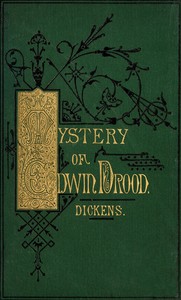

A haunting tale of love, jealousy, and the dark corners of human nature unfolds in the mysterious disappearance of Edwin Drood
Read full overviewShow less›
Set in the moody backdrop of the fictional town of Cloisterham, 'The Mystery of Edwin Drood' explores the intricate web of relationships among its inhabitants, leading to a chilling enigma that remains unsolved. Charles Dickens masterfully intertwines themes of obsession, moral decay, and the struggle for identity, all while capturing the essence of Victorian society. Readers will find themselves drawn into a world where appearances are deceiving, and the line between good and evil blurs. As characters grapple with their inner demons and the weight of societal expectations, the narrative unfolds like a dark symphony, leaving a lasting impression. This unfinished work invites reflection on the complexities of human nature and the mysteries that lie within us all.
In 'The Mystery of Edwin Drood', Charles Dickens crafts a rich tapestry of human emotion, societal critique, and unresolved mystery, inviting readers to explore the depths of obsession, guilt, and the complexities of human relationships. The novel’s intricate characters and the haunting atmosphere of Cloisterham create a compelling narrative that resonates with timeless themes relevant to contemporary readers. By leaving the story unfinished, Dickens not only challenges traditional storytelling but also encourages readers to reflect on the uncertainties of life and the moral ambiguities that define our existence. The enduring intrigue of Edwin Drood's fate ensures that the novel remains a poignant exploration of human nature and the mysteries that lie within.
Ratings at a glance
- 1The Enigmatic Setting of Cloisterham
- 2Complexity of Human Relationships
- 3The Dark Side of Obsession
- 4The Role of Class and Social Status
- 5The Symbolism of the Cathedral
Notable quotes
“Poor me, poor me, my head is so bad.”
“The business is slack, is slack!”
“A monotonous, silent city, deriving an earthy flavour throughout from its Cathedral crypt.”
A glimpse inside

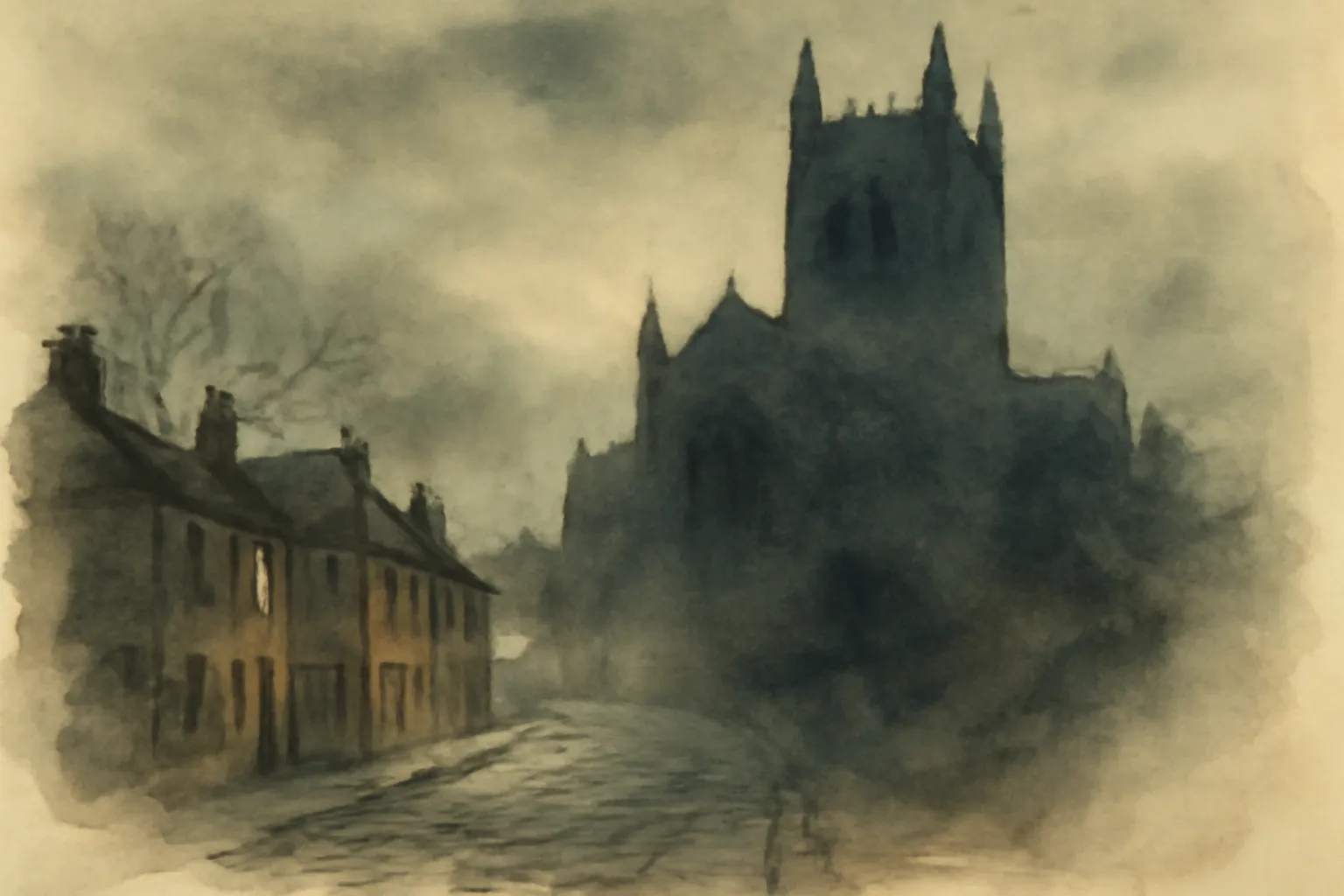
Cloisterham, the fictional town where the story takes place, is as much a character as any of the people who inhabit it. Dickens paints this ancient city with a vivid bru… Read moreCloisterham, the fictional town where the story takes place, is as much a character as any of the people who inhabit it. Dickens paints this ancient city with a vivid brush, describing it as a place steeped in history yet stagnant in its social demeanor. The Cathedral, with its towering presence, symbolizes both a spiritual refuge and a reminder of the oppressive weight of tradition on its citizens. The streets echo with the whispers of the past, and the inhabitants seem trapped in a time warp, believing that all significant changes lie behind them. This setting creates a rich atmosphere that reflects the themes of decay, nostalgia, and the struggle against societal constraints that permeate the narrative. The character of Cloisterham illustrates the broader human condition, where the past continually influences the present, and the inability to change can lead to moral stagnation. Show less
At the heart of 'The Mystery of Edwin Drood' lies a tapestry of complex relationships that drive the narrative forward. Edwin Drood, the central character, is engaged to… Read moreAt the heart of 'The Mystery of Edwin Drood' lies a tapestry of complex relationships that drive the narrative forward. Edwin Drood, the central character, is engaged to Rosa Bud, a young woman caught between her affections for him and the shadow of his enigmatic uncle, John Jasper. Jasper’s obsession with Rosa and his dark, brooding nature introduce an element of danger into their relationships. The dynamics between characters like Neville Landless, a young man with a troubled past, and the established citizens of Cloisterham further complicate the plot. These interwoven relationships highlight themes of jealousy, betrayal, and the consequences of societal expectations, revealing how deeply personal motives can intersect with broader social issues. For example, Jasper’s manipulation and hidden desires create a toxic environment that forces Rosa to navigate her own emotions carefully, illustrating how love can be simultaneously a source of joy and pain. Show less
Read the full text — free
About the author
Charles Dickens has 9 works free to read on Lumina, including A Christmas Carol, A Tale of Two Cities, Barnaby Rudge: A Tale of the Riots of 'Eighty