1.The Enigmatic Setting of Cloisterham
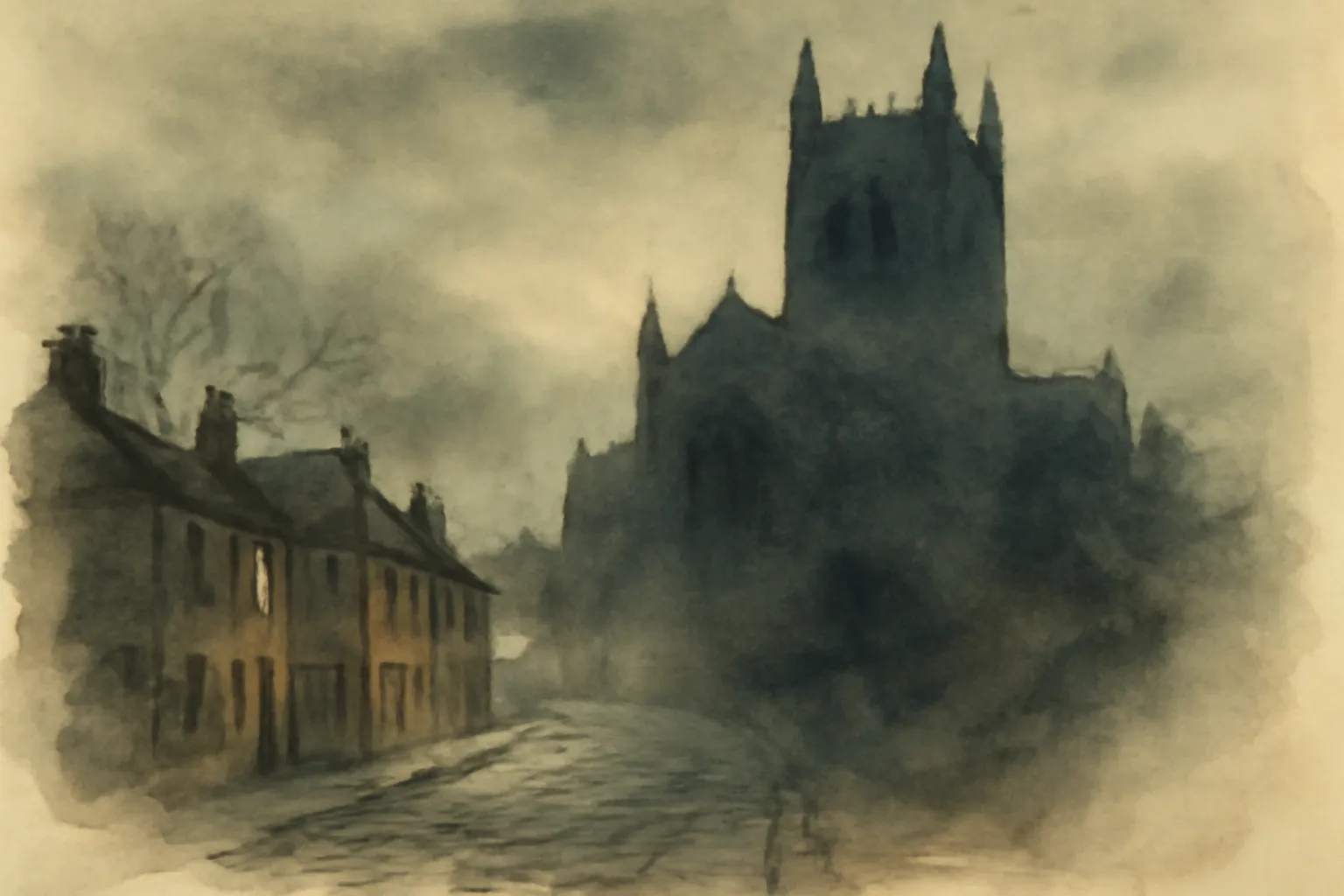
Cloisterham, the fictional town where the story takes place, is as much a character as any of the people who inhabit it. Dickens paints this ancient city with a vivid brush, describing it as a place steeped in history yet stagnant in its social demeanor. The Cathedral, with its towering presence, symbolizes both a spiritual refuge and a reminder of the oppressive weight of tradition on its citizens. The streets echo with the whispers of the past, and the inhabitants seem trapped in a time warp, believing that all significant changes lie behind them. This setting creates a rich atmosphere that reflects the themes of decay, nostalgia, and the struggle against societal constraints that permeate the narrative. The character of Cloisterham illustrates the broader human condition, where the past continually influences the present, and the inability to change can lead to moral stagnation.
2.Complexity of Human Relationships

At the heart of 'The Mystery of Edwin Drood' lies a tapestry of complex relationships that drive the narrative forward. Edwin Drood, the central character, is engaged to Rosa Bud, a young woman caught between her affections for him and the shadow of his enigmatic uncle, John Jasper. Jasper’s obsession with Rosa and his dark, brooding nature introduce an element of danger into their relationships. The dynamics between characters like Neville Landless, a young man with a troubled past, and the established citizens of Cloisterham further complicate the plot. These interwoven relationships highlight themes of jealousy, betrayal, and the consequences of societal expectations, revealing how deeply personal motives can intersect with broader social issues. For example, Jasper’s manipulation and hidden desires create a toxic environment that forces Rosa to navigate her own emotions carefully, illustrating how love can be simultaneously a source of joy and pain.
3.The Dark Side of Obsession
John Jasper epitomizes the theme of obsession that permeates the novel. His fixation on both Edwin and Rosa serves as a catalyst for the unfolding drama, illustrating how love can morph into a dangerous obsession when tainted by insecurity and resentment. Jasper's internal struggle is palpable; he is torn between his genuine affection for Rosa and his darker impulses that threaten to consume him. Dickens skillfully portrays this duality, allowing readers to witness how Jasper’s obsession leads him down a path of moral decay. The narrative explores the fine line between love and obsession, questioning whether such feelings can ever be truly pure. This exploration serves as a cautionary tale about the potential for destructive emotions to unravel lives and relationships, as Jasper’s actions ultimately have dire consequences for all involved.
4.The Role of Class and Social Status
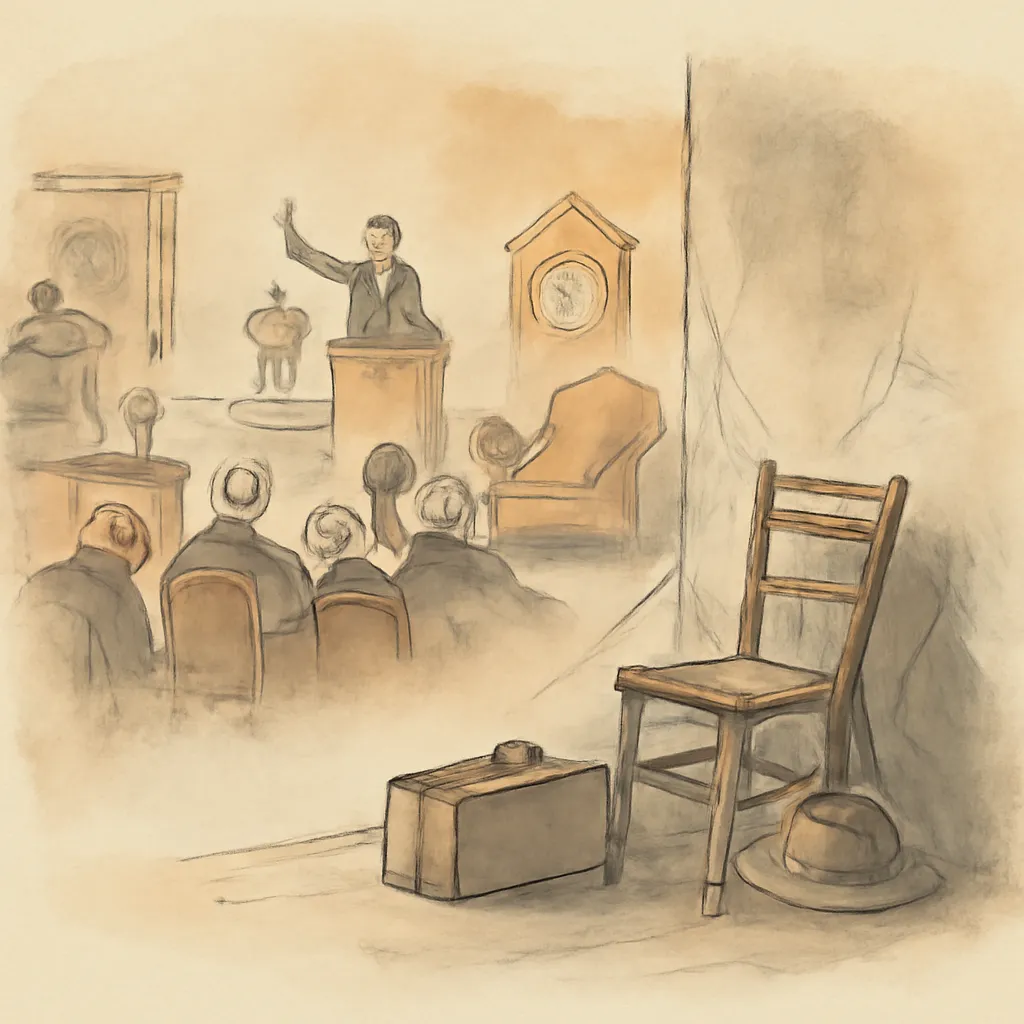
Dickens deftly examines class dynamics and social status throughout the narrative, particularly in the interactions between characters like Mr. Sapsea, the pompous auctioneer, and the more genteel figures like Mr. Crisparkle, the Minor Canon. Sapsea’s self-importance and his attempts to elevate his status in the eyes of the community reflect the societal pressures of the time. Dickens uses Sapsea's character to satirize the superficiality of social status, showing how individuals often prioritize appearances over genuine virtue. The contrast between the ambitious but morally dubious characters and the more virtuous ones highlights the moral decay that can accompany the pursuit of wealth and recognition. Through these interactions, Dickens critiques the Victorian class system, illustrating how it shapes individual identities and influences relationships, often to tragic ends. The struggle for social acceptance becomes a driving force for many characters, leading them to make questionable choices.
5.The Symbolism of the Cathedral
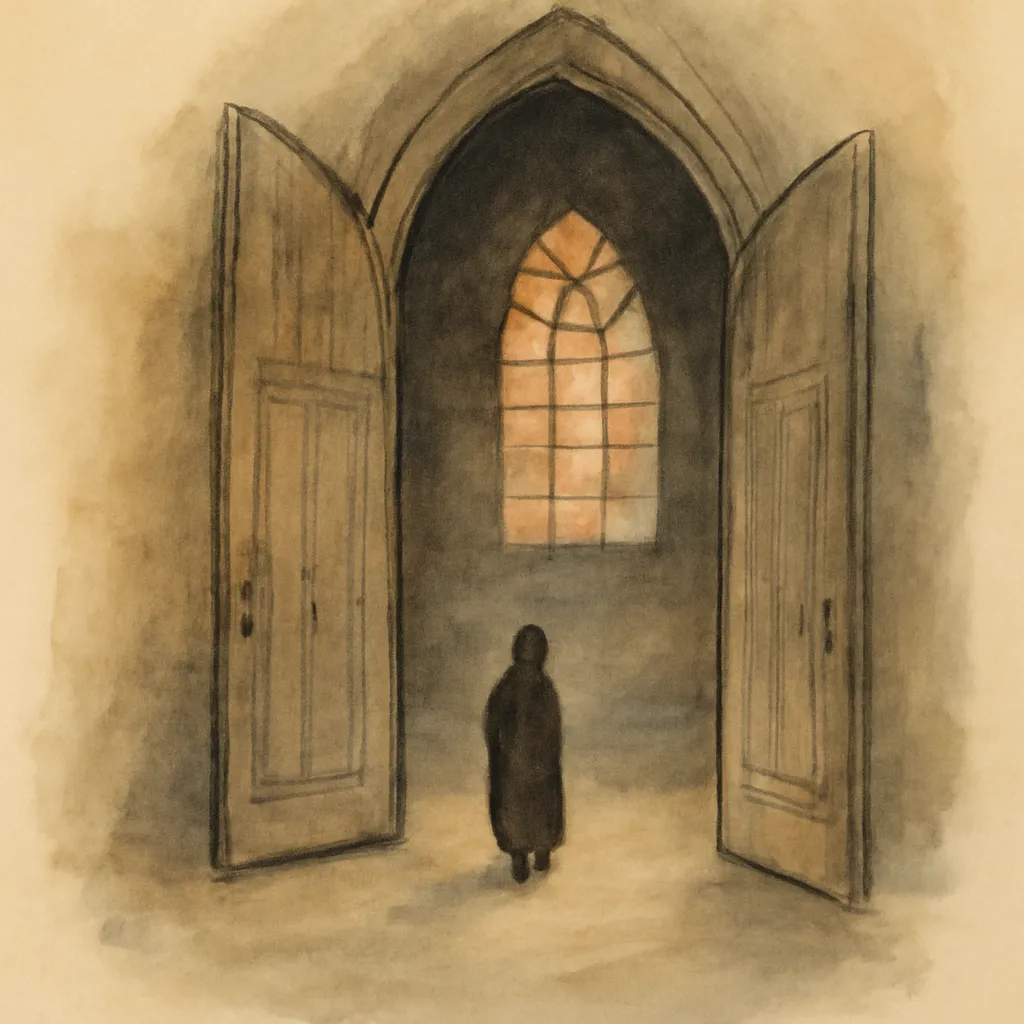
The Cathedral in Cloisterham serves as a powerful symbol throughout the novel, representing both sanctuary and oppression. Its towering structure looms over the town, embodying the weight of tradition and the expectations placed upon its citizens. Characters often find themselves drawn to the Cathedral for solace or guidance, yet it also serves as a reminder of their entrapment within societal norms. The Cathedral’s bells ring with a haunting resonance, echoing the inner turmoil of the characters and the secrets they harbor. For example, as Jasper grapples with his guilt, the Cathedral becomes both a place of refuge and a site of moral reckoning. This duality reflects the broader theme of how institutions can both uplift and constrain individuals, shaping their destinies in profound ways. Ultimately, the Cathedral stands as a testament to the struggle between personal desires and communal duties, a conflict that resonates deeply within the human experience.
6.Mystery and the Unsolved
One of the most compelling aspects of 'The Mystery of Edwin Drood' is its unresolved plot, which leaves readers pondering the fate of its characters long after the last page. Dickens intentionally leaves the narrative open-ended, inviting speculation about the events surrounding Edwin's disappearance and the motivations of those involved. This ambiguity serves to enhance the themes of uncertainty and the unknowable nature of human motives. The unresolved mysteries encourage readers to engage with the text on a deeper level, prompting discussions about morality, justice, and the complexities of human behavior. The open-endedness of the story reflects the reality of life, where not all questions have clear answers, and the pursuit of truth is often fraught with complications. Dickens masterfully weaves this sense of mystery into the fabric of the narrative, challenging readers to confront their assumptions and biases while contemplating the deeper implications of the characters' actions.
7.The Female Experience and Agency
Rosa Bud's character offers insight into the female experience within the confines of Victorian society. Initially presented as a passive figure, Rosa's journey throughout the narrative reveals her struggle for autonomy in a world dominated by male desires and expectations. Her betrothal to Edwin and the attention from Jasper place her in a precarious position, forcing her to navigate the complexities of love and fear. As the story progresses, Rosa becomes increasingly aware of her agency, ultimately seeking a way to escape the oppressive forces around her. This evolution of her character reflects the broader struggle for women's rights and recognition during the Victorian era, making Rosa a poignant representation of the fight for self-determination. Through her experiences, Dickens highlights the limitations placed on women and the societal pressures that shape their identities, while also showcasing their resilience and capacity for growth.
8.Shadows of Guilt and Responsibility
The theme of guilt permeates the lives of several characters, particularly Jasper and Neville Landless. Jasper's internal conflict as he grapples with his dark desires and the consequences of his actions illustrates the psychological toll of guilt. The narrative delves into how guilt can shape one's identity and lead to a sense of moral decay, as Jasper becomes increasingly consumed by his obsession. Meanwhile, Neville, who is wrongly accused of wrongdoing, becomes a victim of societal prejudice and the assumptions of those around him. The exploration of guilt and responsibility raises questions about moral culpability and the impact of societal judgment on individuals. Dickens uses these themes to highlight the complexities of human morality, suggesting that everyone carries their burdens, whether deserved or not, and that understanding one's own guilt is essential to personal redemption. This interplay of guilt and innocence complicates the characters' relationships, illustrating the far-reaching consequences of their actions.
9.The Influence of the Supernatural
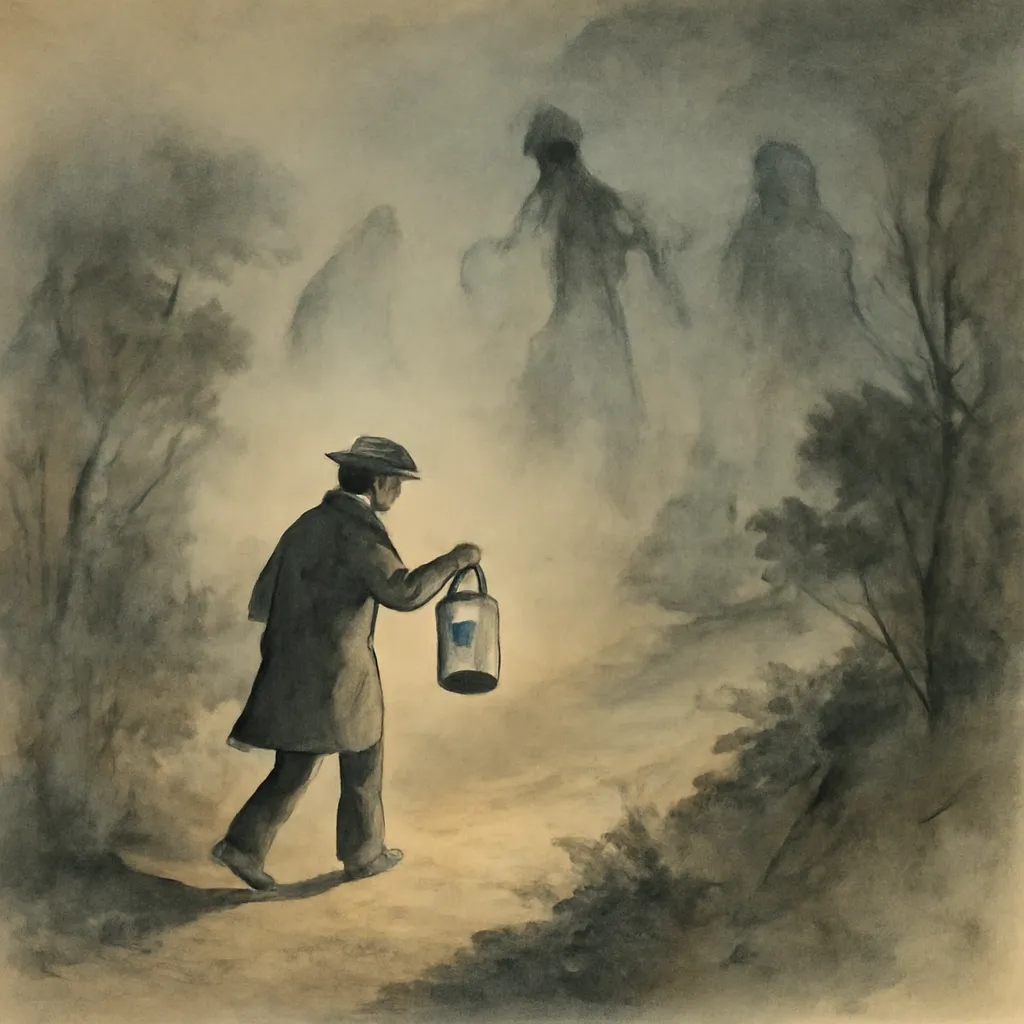
While 'The Mystery of Edwin Drood' is grounded in the realism of Victorian society, it also incorporates elements of the supernatural that heighten the sense of mystery and foreboding. Ghostly apparitions, the symbolism of the Cathedral, and the eerie atmosphere surrounding Edwin's disappearance contribute to a feeling of unease that permeates the narrative. These supernatural elements serve to reflect the characters' inner turmoil and anxieties, amplifying the themes of obsession and moral ambiguity. Dickens masterfully intertwines the spectral with the mundane, illustrating how the unseen forces of guilt, obsession, and societal expectations can haunt individuals, shaping their destinies in ways they cannot fully comprehend. For example, Jasper's encounters with the supernatural mirror his internal struggles, providing a haunting backdrop to his descent into madness. This blending of the supernatural with reality invites readers to question the nature of truth and the boundaries between the known and the unknown.
10.The Unfinished Nature of the Work
The fact that 'The Mystery of Edwin Drood' remains unfinished adds a layer of complexity to its interpretation. Dickens's abrupt end leaves readers grappling with the unresolved fates of the characters, reflecting the uncertainties of life itself. This unfinished quality invites readers to engage with the narrative actively, filling in the gaps with their interpretations and speculations. The novel’s incomplete nature also serves as a metaphor for the broader themes of mortality and the fleeting nature of existence. By not providing a tidy resolution, Dickens challenges readers to confront the ambiguity of life and the mysteries that often go unsolved, making the work resonate on a deeper level even today. The absence of closure compels readers to reflect on their own lives and the unanswered questions that linger, ultimately reinforcing the notion that not all stories have clear endings, and that life itself is often an unfinished narrative.