20th century · Aeronautics · Air pilots
Wind, Sand and Stars by Antoine de Saint-Exupéry — Summary, Key Ideas & Quotes
1936222 pages✦ 3-min Big ideas★ 4.2 (17)
Rate it
A lyrical account of the author’s time as a pilot flying the dangerous mail routes across the Sahara and the Andes. Many incidents are recounted, including the time he crashed his plane in the Sahara and, along with his navigator, is forced to walk for days without food or water before finding safety.
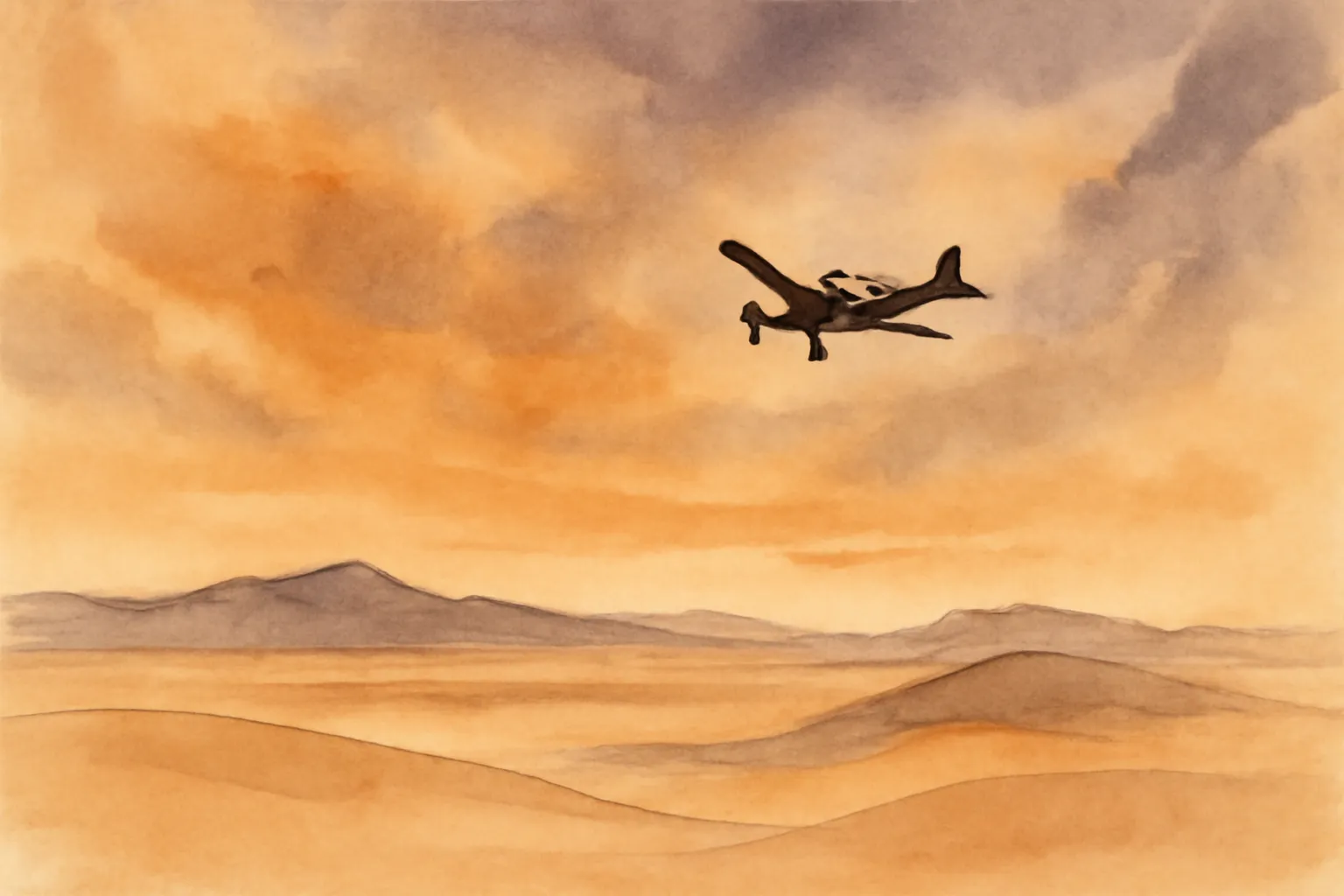
Saint-Exupéry transforms the experience of piloting primitive aircraft into a meditation on the human spirit. Flying is not just a technical feat; it becomes a metaphor for striving, risk, and transcendence. The book describes the beauty and terror of flight, emphasizing how confronting danger strips away the trivial and reveals what truly matters. The cockpit becomes a place of solitude and clarity, where the pilot is both isolated and deeply connected to the world.
Throughout the book, Saint-Exupéry faces the unforgiving realities of deserts, mountains, and storms. Nature is depicted as vast and indifferent, highlighting human vulnerability. Yet, it is precisely in facing these challenges that the author discovers the depth of human courage, ingenuity, and solidarity. The story of his crash in the Sahara, and the struggle for survival, exemplifies how adversity can bring out the essential qualities of endurance and hope.
“What saves a man is to take a step. Then another step.”
“He who would travel happily must travel light.”
“Each man must look to himself to teach him the meaning of life. It is not something discovered: it is something molded.”