1.Public Persona vs. Private Reality
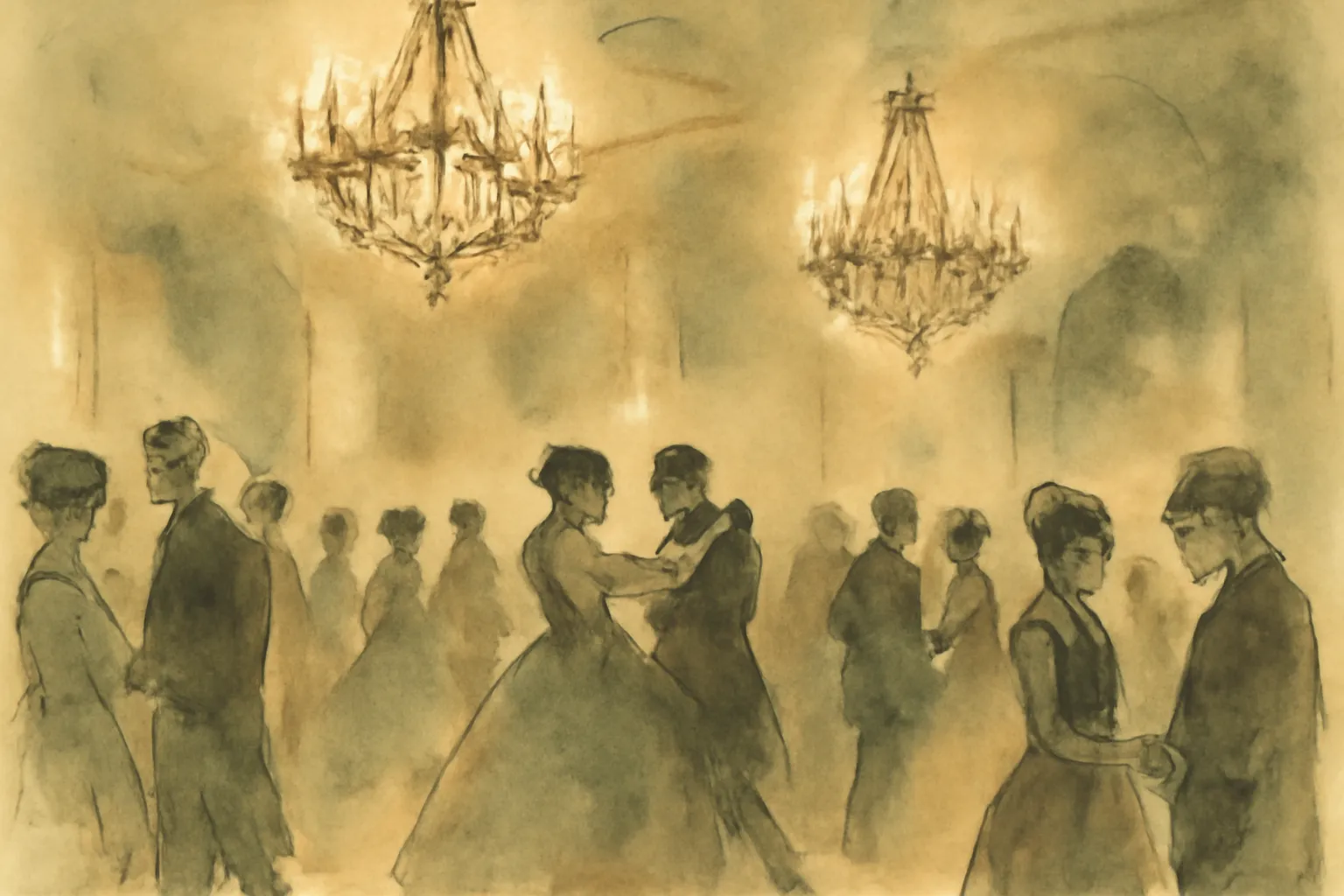
The central conflict of 'An Ideal Husband' revolves around the dichotomy between public image and private truth. Sir Robert Chiltern embodies the ideal image of a successful politician, respected for his integrity and accomplishments. However, his ascent is built on a morally questionable act from his past—accepting a bribe from a foreign baron. This hidden truth exemplifies the societal expectation that individuals must maintain a flawless facade in public life. Lady Chiltern, his wife, idolizes him as the perfect husband, unaware of the secret that jeopardizes their happiness. Wilde uses this juxtaposition to illustrate how societal pressures compel individuals to conceal their flaws and maintain an idealized image. The play raises crucial questions regarding authenticity and the sacrifices made to uphold one’s reputation, prompting audiences to reflect on the cost of societal acceptance and the extent to which they too might hide their truths.
2.Women’s Agency and Societal Expectations

Wilde provides a nuanced exploration of women's roles through the characters of Lady Chiltern and Mrs. Cheveley. Lady Chiltern represents the Victorian ideal of the devoted spouse, embodying loyalty and moral rectitude. She believes in her husband's unwavering integrity and expects him to reflect the same standards. However, her rigid adherence to these ideals leads to conflict when confronted with the reality of his past. In contrast, Mrs. Cheveley serves as a foil to Lady Chiltern, exhibiting a more modern approach to femininity. She is unapologetically ambitious and manipulative, leveraging her knowledge of Sir Robert's secret to gain power and influence. Through these two characters, Wilde critiques the limitations placed on women in Victorian society while showcasing their ability to wield power, albeit through unconventional means. This dynamic invites audiences to consider the evolving roles of women, the complexity of their ambitions, and the moral compromises they face in a patriarchal society.
3.The Nature of Friendship and Loyalty

Friendship is a pivotal theme in 'An Ideal Husband,' especially exemplified by the bond between Lord Goring and Sir Robert Chiltern. Their relationship is put to the test when Robert’s past threatens to surface, forcing Goring to confront the ethical implications of loyalty versus honesty. Wilde illustrates that true friendship necessitates both support and accountability, as Goring grapples with the weight of Robert’s secret. He ultimately chooses loyalty, but this decision comes with complex moral undertones, as his assistance to Robert may inadvertently enable his friend's deception. Wilde’s treatment of friendship reveals the delicate balance between standing by loved ones and demanding honesty. The characters' struggles reflect the inherent tensions in loyalty, raising the question of whether protecting a friend’s reputation justifies silence in the face of wrongdoing. This exploration resonates with audiences who recognize the multifaceted nature of friendship and the moral dilemmas that often accompany it.
4.The Consequences of Scandal
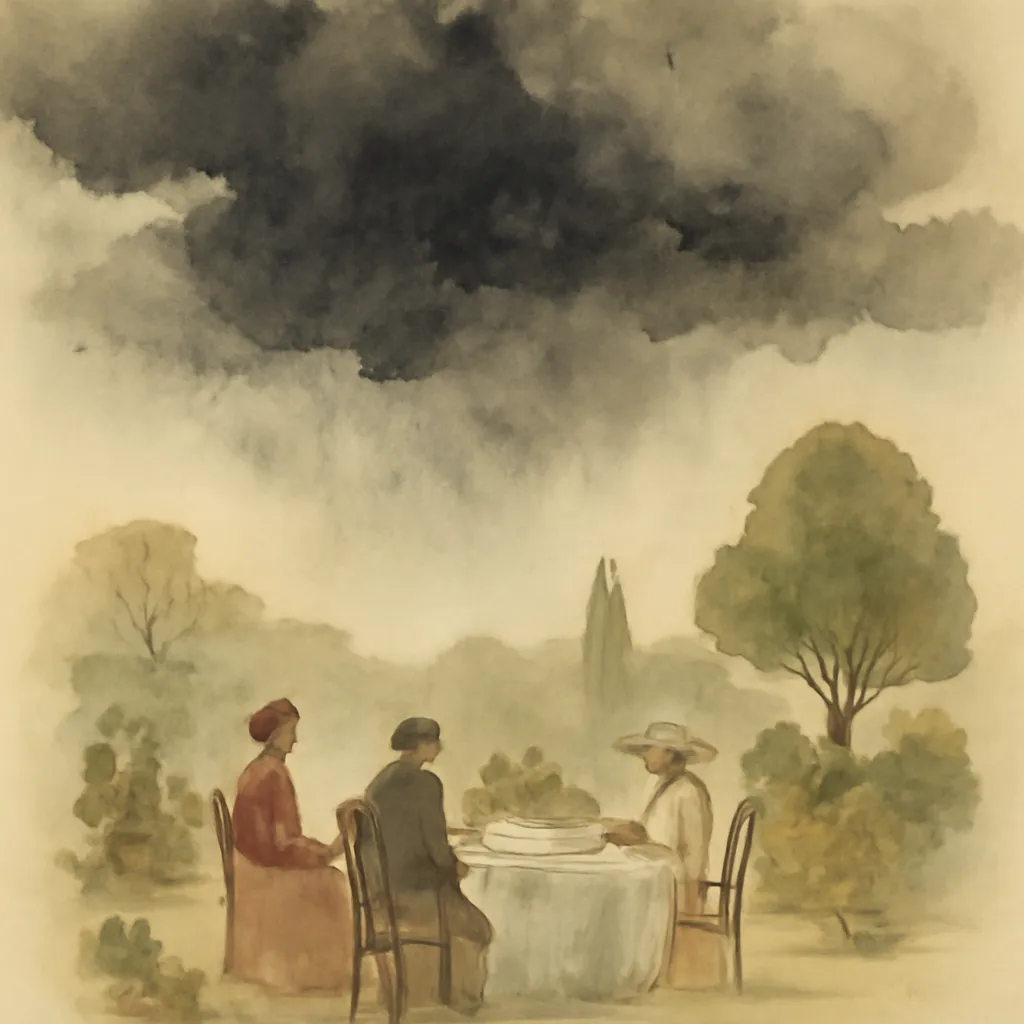
Scandal serves as a driving force in 'An Ideal Husband,' particularly through Mrs. Cheveley's revelation of Sir Robert's past indiscretion. Wilde deftly portrays how scandal can disrupt lives and alter perceptions, as the threat of exposure compels characters to confront their pasts and insecurities. Sir Robert's initial reaction to the potential fallout from his secret underscores the fear of losing not just his career but also the respect of his wife and society at large. Through this lens, Wilde critiques the superficiality of societal judgments, suggesting that public perception often outweighs objective truth. The play illustrates the idea that scandal can serve as both a destructive force and a catalyst for personal growth, compelling characters to reevaluate their choices and relationships. The consequences of scandal challenge the characters to confront their moral failings while forcing the audience to question their own responses to the imperfections of others.
5.Moral Compromise and Redemption

The theme of moral compromise is intricately woven throughout the narrative as Sir Robert grapples with the implications of his past choices. His initial success stems from a decision rooted in ethical ambiguity—accepting a bribe for political gain. When confronted by Mrs. Cheveley, Robert faces a moral reckoning that threatens to unravel his life and career. Wilde suggests that while ambition can lead to success, it often comes with a price—one's integrity. Sir Robert’s journey reflects the struggle many endure in balancing personal ambition with ethical considerations. The possibility of redemption becomes a central focus, as characters must confront their flaws and seek to rectify their past mistakes. Wilde posits that true integrity arises not from an absence of error but from the willingness to acknowledge and learn from one’s missteps. This exploration of moral ambiguity invites audiences to reflect on their values and the complexities of human behavior.
6.The Satirical Examination of Victorian Society
Wilde’s play is a sharp satire of Victorian society, exposing the contradictions and absurdities inherent in its moral codes. The characters serve as archetypes of societal expectations, from the ideal husband to the cunning manipulator, and their interactions reveal the often hypocritical nature of social norms. Wilde employs wit to critique the superficial values that dictate behavior, highlighting how appearances often overshadow genuine character. The clever dialogue is laced with irony, as characters espouse lofty ideals while frequently engaging in duplicitous actions. By unmasking these contradictions, Wilde encourages audiences to question the validity of societal expectations and the morality of those who uphold them. The satire extends beyond individual characters to challenge the very fabric of society, suggesting that the pursuit of status frequently undermines integrity and authenticity.
7.The Complexity of Love and Relationships

Love is portrayed as both a transformative force and a source of conflict in 'An Ideal Husband.' The passionate devotion of Lady Chiltern for her husband stands in stark contrast to the more pragmatic, even ruthless approach of Mrs. Cheveley. Lady Chiltern's unwavering support for Robert encourages him to aspire to greater heights, yet her idealization of him also blinds her to his flaws. Wilde artfully explores the notion that love can inspire individuals to strive for excellence, while simultaneously revealing how unrealistic expectations can lead to disappointment. The tensions between romantic ideals and the imperfections of human nature create a rich tapestry of relationships in the play. Wilde’s characters navigate these complexities, demonstrating that love is not merely an emotion but a dynamic force that shapes decisions and moral choices. The interplay of love and loyalty challenges audiences to reconsider their own relationships and the expectations they impose on others.
8.The Art of Deception in Social Interactions
Deception emerges as a recurring motif in the play, manifesting in both personal and political contexts. Characters engage in various forms of deception to protect their interests, from Sir Robert’s concealment of his past to Mrs. Cheveley’s manipulative tactics. Wilde uses this theme to explore the complexities of human interaction, suggesting that deception can sometimes serve as a survival mechanism in a society that rewards appearances over truth. The characters’ manipulation of truth raises questions about authenticity and the moral implications of their actions. The play challenges the notion of transparency, questioning whether anyone can genuinely be open in a world dictated by societal expectations. Through witty dialogue and intricate plot twists, Wilde illustrates the dangers of deception, ultimately concluding that honesty, while difficult, is essential for genuine connection and integrity.
9.Wealth, Power, and Their Moral Consequences
Wealth and power are depicted as double-edged swords in 'An Ideal Husband.' Sir Robert's rise to prominence is founded on a morally dubious past, and this success is highlighted as both a blessing and a burden. Wilde critiques the notion that financial success equates to personal worth, revealing the emptiness that can accompany the relentless pursuit of status. The interplay between wealth and moral integrity becomes evident as Mrs. Cheveley seeks to leverage her knowledge of Robert’s past for personal gain, illustrating how financial power can distort relationships and corrupt values. Wilde’s examination of this theme encourages audiences to reflect on the ethical implications of ambition and the societal structures that prioritize wealth over character. Through the lens of his characters' experiences, Wilde prompts contemplation of what true success entails and the moral costs of pursuing power.
10.Self-Reflection as a Path to Growth
Throughout 'An Ideal Husband,' characters are compelled to engage in self-reflection, particularly as they confront the ramifications of their actions. Sir Robert’s crisis leads him to examine his past decisions, forcing him to reassess his values and the impact of his choices on those he loves. Similarly, Lady Chiltern must reconcile her idealized vision of her husband with the reality of his human flaws. Wilde emphasizes that self-reflection is crucial for personal development and moral growth, suggesting that understanding oneself is as important as understanding others. The characters' journeys illustrate that without introspection, individuals risk perpetuating cycles of deception and moral compromise. Wilde advocates for the necessity of honest self-evaluation as a means to cultivate integrity and authenticity, urging audiences to consider their own lives and the importance of self-awareness in fostering meaningful relationships.