1.The Essence of Class Struggle
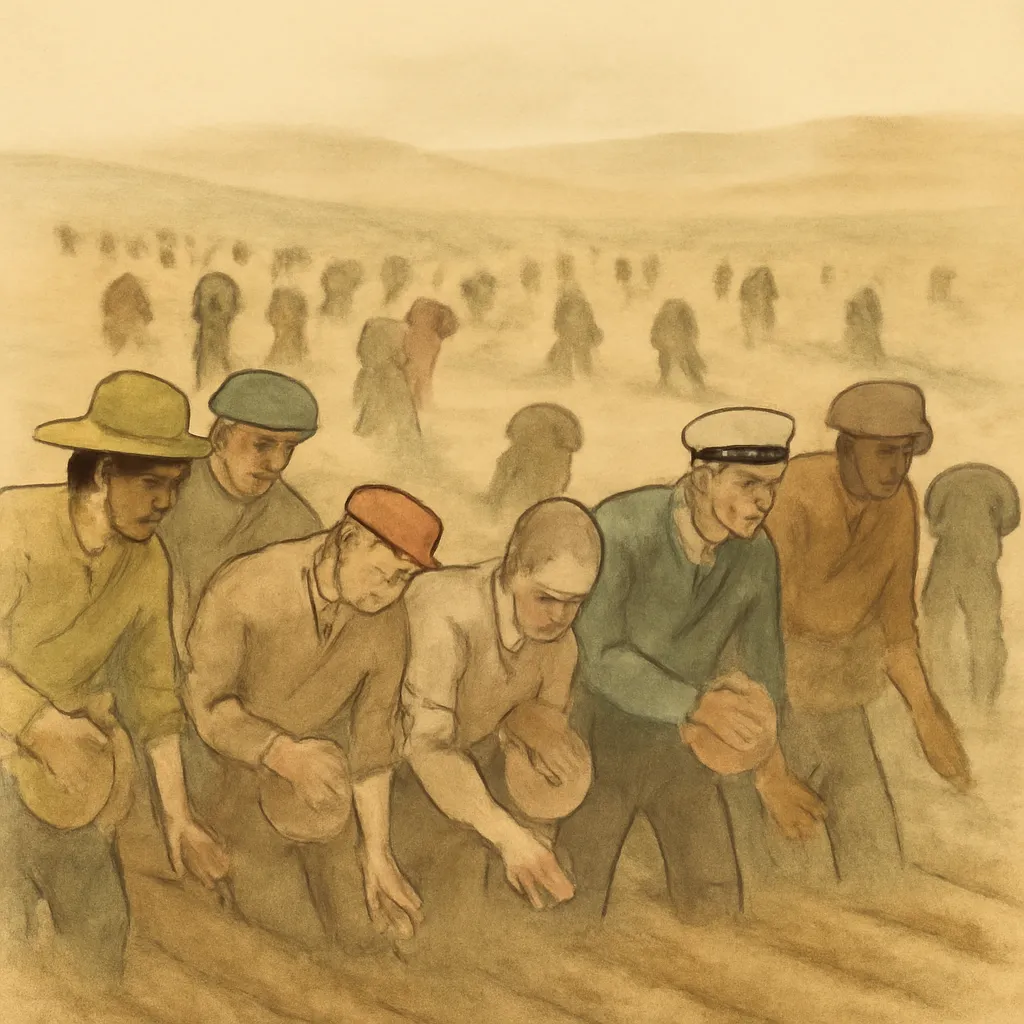
At the heart of 'The Communist Manifesto' is the assertion that history is fundamentally the story of class struggles. Marx and Engels argue that every society has been built upon the conflict between the oppressors and the oppressed. From the ancient Romans with their slaves to the feudal lords and serfs, these opposing forces have engaged in constant battles that either led to societal revolutions or mutual destruction. The modern era, characterized by the rise of the bourgeoisie, simplifies these conflicts into two primary classes: the bourgeoisie, who own the means of production, and the proletariat, who sell their labor. This reduction of class antagonisms highlights the urgency of the proletariat's struggle against bourgeois supremacy, setting the stage for revolutionary change.
2.The Rise of the Bourgeoisie
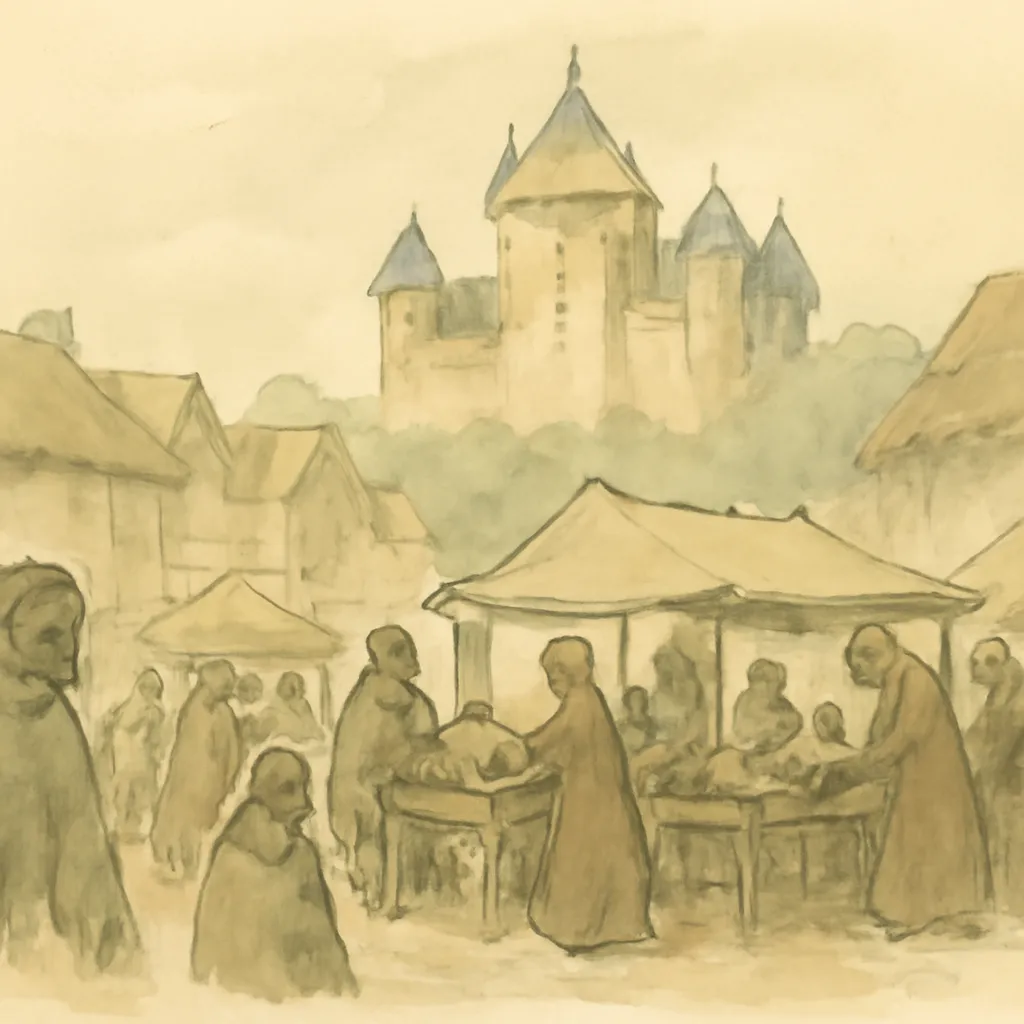
The emergence of the bourgeoisie is intricately linked to the collapse of feudal society. Marx and Engels illustrate how the discovery of new trade routes and markets fueled the growth of the bourgeois class, which began as chartered burghers in medieval towns. The transition from feudalism to capitalism was marked by significant economic changes, such as the shift from guild monopolies to manufacturing systems that embraced division of labor. This new class not only transformed the economy but also redefined social relations, establishing a society that, while more simplified in terms of class structure, perpetuated exploitation. The authors argue that the bourgeoisie is both a product of historical development and a force that continues to shape societal dynamics, creating conditions ripe for revolution.
3.The Proletariat's Role in Revolution
Marx and Engels emphasize that the proletariat is not merely a passive victim of capitalism but an active participant in the struggle for liberation. The manifesto outlines the goal of the proletariat: to unite as a class, overthrow the bourgeoisie, and seize political power. Unlike other working-class parties, the Communists advocate for the collective interests of the entire proletariat, transcending national boundaries. They view the proletariat's fight as part of a broader historical movement that aims to abolish bourgeois property and create a classless society. This revolutionary potential is rooted in the understanding that the proletariat's liberation is intrinsically linked to the dismantling of the capitalist system, which exploits labor for profit.
4.Communism vs. Bourgeois Property
A critical distinction made in the manifesto is between the abolition of property in general and the abolition of bourgeois property specifically. Marx and Engels argue that the property relations of the past have evolved with historical changes, and thus the focus should not be on property itself but on the oppressive nature of bourgeois ownership. They contend that modern bourgeois property is the culmination of a system that exploits workers and concentrates wealth in the hands of a few. By advocating for the abolition of bourgeois property, the authors are not promoting a return to feudal or communal property systems but are calling for a radical restructuring of economic relations to ensure collective ownership and equitable distribution of resources.
5.The Reactionary Nature of Feudal Socialism
Marx and Engels critique various forms of socialism that emerge in reaction to bourgeois society, particularly feudal socialism. This reactionary socialism, represented by the aristocracy, attempts to reclaim lost power by aligning with the proletariat, yet it ultimately fails to understand the modern class struggle. The aristocrats' lamentation for the past does not address the needs of the working class but instead seeks to preserve their own status. This critique highlights the incapacity of feudal socialists to comprehend the progress of history and their inability to offer a viable alternative to capitalism. By invoking the plight of the proletariat, they hope to rally support without recognizing that their interests are fundamentally at odds with those of the working class.
6.The Role of Literature in Class Struggle
In 'The Communist Manifesto', Marx and Engels also explore the relationship between literature and class struggle. They argue that literary and ideological expressions often serve the interests of the ruling class, perpetuating its dominance. However, they also recognize the potential for literature to critique and challenge the status quo. The authors call for a revolutionary literature that reflects the struggles and aspirations of the proletariat. This literature should not merely romanticize the past or lament the present but should inspire action and solidarity among workers. By promoting a critical understanding of societal conditions, literature can become a tool for mobilization and change.
7.Communists and Other Working-Class Parties
The manifesto clarifies the position of Communists in relation to various working-class parties. While they support immediate goals and interests of the working class, they also emphasize the importance of a unified movement that transcends national boundaries. Communists do not seek to establish a separate party but rather work within existing movements to push for broader revolutionary aims. This commitment to the proletariat's interests as a whole distinguishes them from other factions that may prioritize nationalistic or sectarian goals. By fostering solidarity among workers across different countries, the Communists aim to create a powerful collective force capable of challenging the bourgeoisie on a global scale.
8.The Importance of Revolutionary Movements
Marx and Engels assert that the Communist movement must actively engage with and support revolutionary movements against oppressive regimes. They emphasize the need for the proletariat to recognize its power and the potential for change that exists within society. The authors argue that the bourgeois revolution will inevitably lead to a proletarian revolution, particularly in countries like Germany, where the conditions are ripe for such a transformation. By aligning with other revolutionary movements, the Communists can strengthen their position and ensure that the fight against the bourgeoisie is both immediate and sustained. This strategic approach underscores the interconnectedness of various struggles for liberation and the necessity of collective action.
9.The Vision of a Classless Society
Ultimately, 'The Communist Manifesto' presents a vision of a classless society, where the means of production are collectively owned, and wealth is distributed equitably among all. Marx and Engels argue that the abolition of bourgeois property is essential for achieving this vision, as it would dismantle the structures of exploitation and inequality. The authors foresee a future where the proletariat has seized political power and established a new social order based on cooperation and solidarity. This radical reorganization of society is not merely an abstract idea but a necessary step towards human emancipation. The manifesto serves as both a critique of existing conditions and a blueprint for a revolutionary path forward, inspiring generations to envision a world free from class oppression.