1.The Universality of Good Sense
Descartes begins by asserting that good sense, or reason, is equally distributed among all individuals. Despite varying opinions, he believes that everyone possesses the same capacity for reason. The disparity in viewpoints arises not from differing levels of intelligence, but rather from the different paths that people take in their thinking. He emphasizes that it's not enough to have a vigorous mind; one must also apply it correctly. This notion challenges the elitist view of intelligence and encourages a more democratic understanding of human reasoning. Descartes argues that even those who progress slowly can achieve greater understanding if they remain focused and adhere to the right methods.
2.Isolation and Reflection
During a period of solitude in Germany, Descartes reflects on the nature of perfection in various fields. He observes that works created by a single master tend to be more coherent than those produced by multiple hands. This analogy extends to societies, where he posits that civilizations guided by wise legislators achieve more refined institutions compared to those that evolve haphazardly. Descartes' emphasis on the importance of a singular vision highlights the necessity of clear, methodical thinking in both personal and societal development. By advocating for individual responsibility in thought, he underscores the role of the thinker as an architect of knowledge.
3.Constructing a Provisional Moral Code
As Descartes contemplates the need to rebuild his understanding of the world, he recognizes the necessity of a provisional moral framework. He establishes a set of maxims to guide his actions while he seeks truth. These include obeying the laws and customs of his country and adhering to the moderate opinions of the most judicious people around him. This approach allows him to navigate life pragmatically while he questions the foundations of his beliefs. By choosing to align with common opinions, Descartes acknowledges the complexity of human belief systems and the importance of social context in shaping individual actions. His provisional code serves as a practical tool for living virtuously amid uncertainty.
4.The Method of Doubt
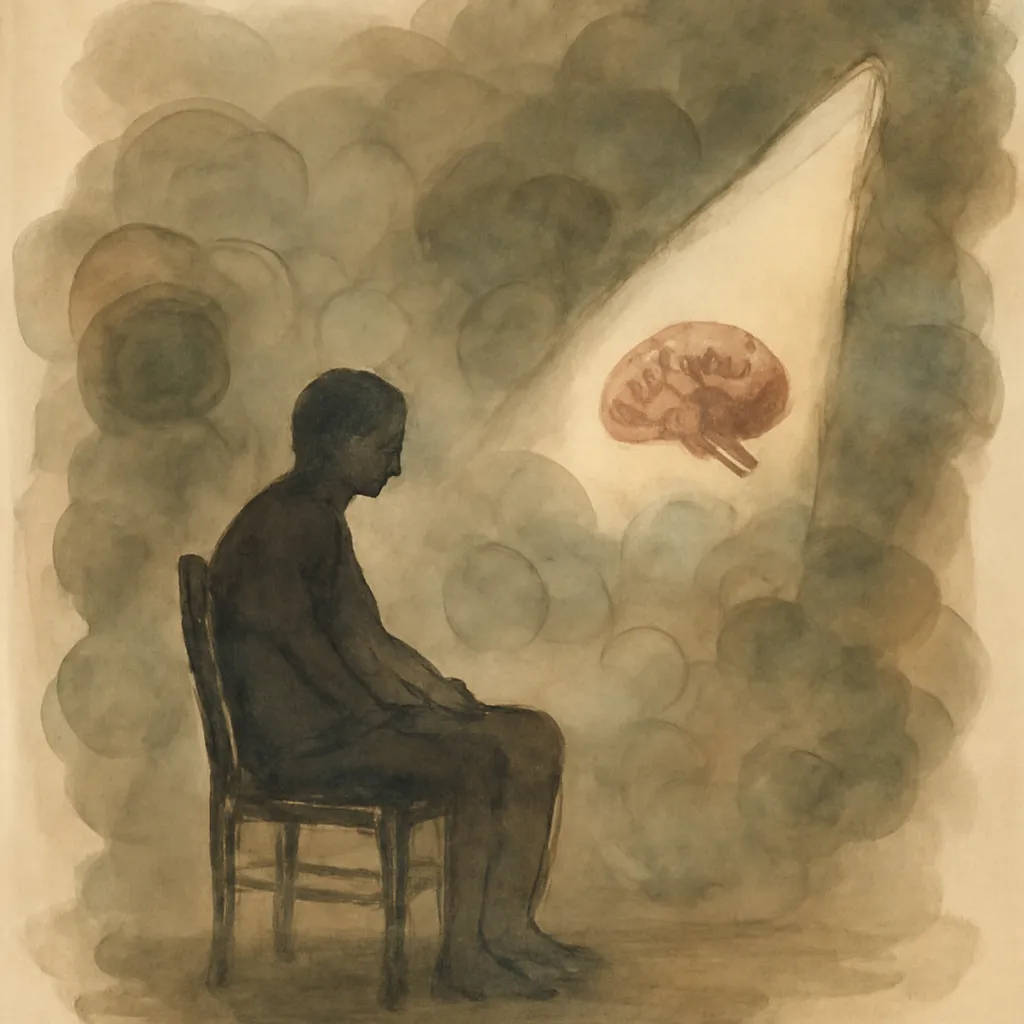
Descartes introduces a radical approach to inquiry known as methodological skepticism, where he resolves to doubt everything that can be doubted. This process begins with the realization that our senses can deceive us, prompting him to question the very existence of the material world. By systematically rejecting all beliefs that can be called into question, he aims to uncover indubitable truths. This leads him to the realization that the act of doubt itself confirms his existence: 'Cogito, ergo sum'—I think, therefore I am. This foundational insight becomes the bedrock of his philosophy, illustrating the power of self-awareness and critical thinking in establishing certainty.
5.The Certainty of Self-Existence
The phrase 'Cogito, ergo sum' encapsulates Descartes' pivotal realization that while everything else could be doubted, the very act of thinking confirmed his existence. This insight shifts the focus from external truths to internal certainty. He argues that the mind, as a thinking entity, is distinct from the body and the physical world. This dualism lays the groundwork for future philosophical discussions about the nature of consciousness and existence. By emphasizing the certainty of self-awareness, Descartes challenges the materialistic viewpoint and advocates for a deeper understanding of human identity that transcends mere physical existence.
6.God's Existence and the Nature of Reality
Following the establishment of self-existence, Descartes turns his attention to the existence of God. He presents arguments that assert the necessity of a perfect being to account for the imperfections present in the world. His reasoning suggests that the idea of God must originate from a perfect source, as humans cannot conceive of perfection without its existence. This theological inquiry leads to the conclusion that God is not a deceiver, thus validating the pursuit of knowledge as a legitimate endeavor. By intertwining metaphysics and theology, Descartes creates a framework that supports the rational exploration of reality, where faith and reason coexist harmoniously.
7.The Nature of Material Objects
Descartes contemplates the essence of material objects, proposing that they are defined by their extension in space and their capacity to be perceived. He distinguishes between the mind and the body, emphasizing that knowledge of the physical world can be attained through rational thought rather than sensory experience alone. This assertion paves the way for the scientific method, which relies on observation and reasoning to uncover truths about the natural world. Descartes’ exploration of materiality emphasizes the importance of clear definitions and rigorous examination in understanding complex concepts, thereby influencing future scientific inquiry.
8.The Interconnectedness of Truths
In his quest for knowledge, Descartes discovers a network of truths that are interrelated, suggesting a coherent structure to reality. He posits that upon reflection, one can find universal principles that govern the natural world. This interconnectedness implies that understanding one truth can lead to the discovery of others, creating a chain of knowledge. Descartes encourages readers to engage in critical thinking and reflection to uncover these truths, emphasizing the importance of intellectual curiosity. By recognizing the systematic nature of knowledge, he advocates for a holistic approach to learning that embraces exploration and synthesis.
9.The Role of Mathematical Certainty
Mathematics plays a crucial role in Descartes' philosophy, as he utilizes it to exemplify the clarity and certainty that reasoning can achieve. He admires the precision of geometrical demonstrations, which serve as a model for philosophical inquiry. By asserting that only those beliefs that can be as clear and certain as mathematical truths should be accepted, he sets a high standard for knowledge. This mathematical approach influences subsequent philosophical and scientific methods, reinforcing the value of logical reasoning and empirical evidence in the pursuit of truth. Descartes' emphasis on mathematics illustrates the intersection of logic and philosophy, reshaping how knowledge is understood.
10.The Hesitation to Publish
Despite his significant discoveries and insights, Descartes hesitates to publish his work due to concerns about potential backlash and misinterpretation. He reflects on the responsibilities of sharing knowledge, particularly when it may challenge established beliefs. This hesitation reveals the tension between the pursuit of truth and the societal implications of that pursuit. Descartes recognizes that not all ideas are readily accepted, and the fear of being misunderstood weighs heavily on him. His reluctance underscores the complexities of intellectual discourse and the need for careful consideration of how ideas are presented to the public. This aspect of his journey invites readers to reflect on their own engagement with controversial ideas.
11.The Legacy of Cartesian Thought
The impact of Descartes' 'Discourse on the Method' extends far beyond his lifetime, influencing generations of thinkers across various disciplines. His method of doubt and emphasis on reason laid the foundation for modern philosophy and science. Descartes is often regarded as the father of rationalism, and his ideas prompted a shift away from reliance on tradition and authority towards a more individualized approach to knowledge. The principles he established continue to resonate in contemporary discussions about the nature of reality, consciousness, and the scientific method. By engaging with Descartes, readers are invited to consider the enduring relevance of his ideas in shaping the way we think about knowledge and existence.