1.The Garden of Love: Cultivating Desire
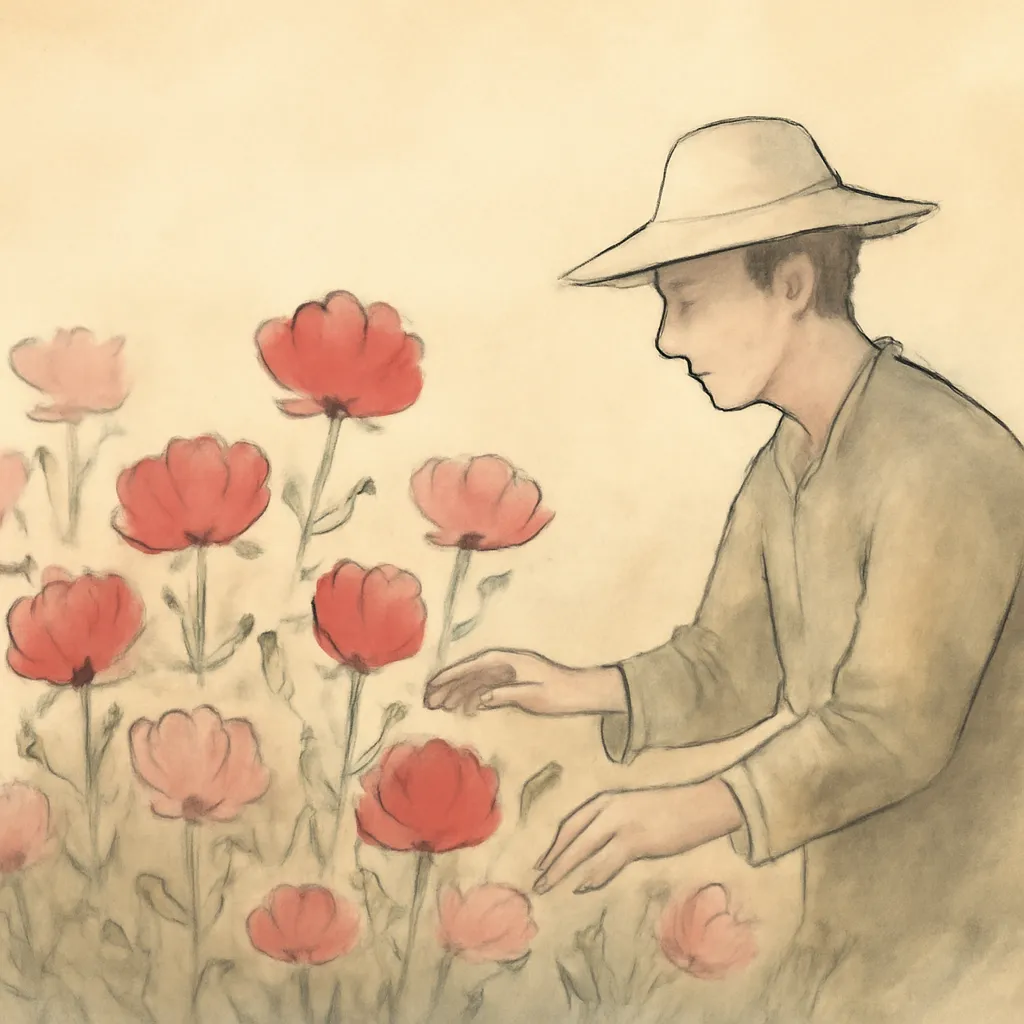
In the opening chapter, Goethe introduces a metaphorical garden where love's blossoms flourish under the careful attention of the poet. This garden symbolizes a sanctuary for passion, a space where the fruits of love can be harvested freely, liberated from societal shame or judgment. The imagery of Priapus, the Roman god of gardens and fertility, reinforces the natural and uninhibited aspects of desire, creating a vivid connection between nature and sensuality. Goethe's assertion that hypocrites, burdened by shame, cannot appreciate the beauty of love's offerings highlights the tension between societal norms and personal desires. The distinction between the pure appreciation of love and the hypocrisy of those who shy away from it offers a powerful critique of societal constraints on human emotion. This notion of a personal sanctuary for love reflects Goethe's belief that genuine passion should be celebrated openly and embraced without fear, inviting readers to cultivate their own gardens of desire, where authenticity thrives.
2.Rome as the Living Canvas of Love
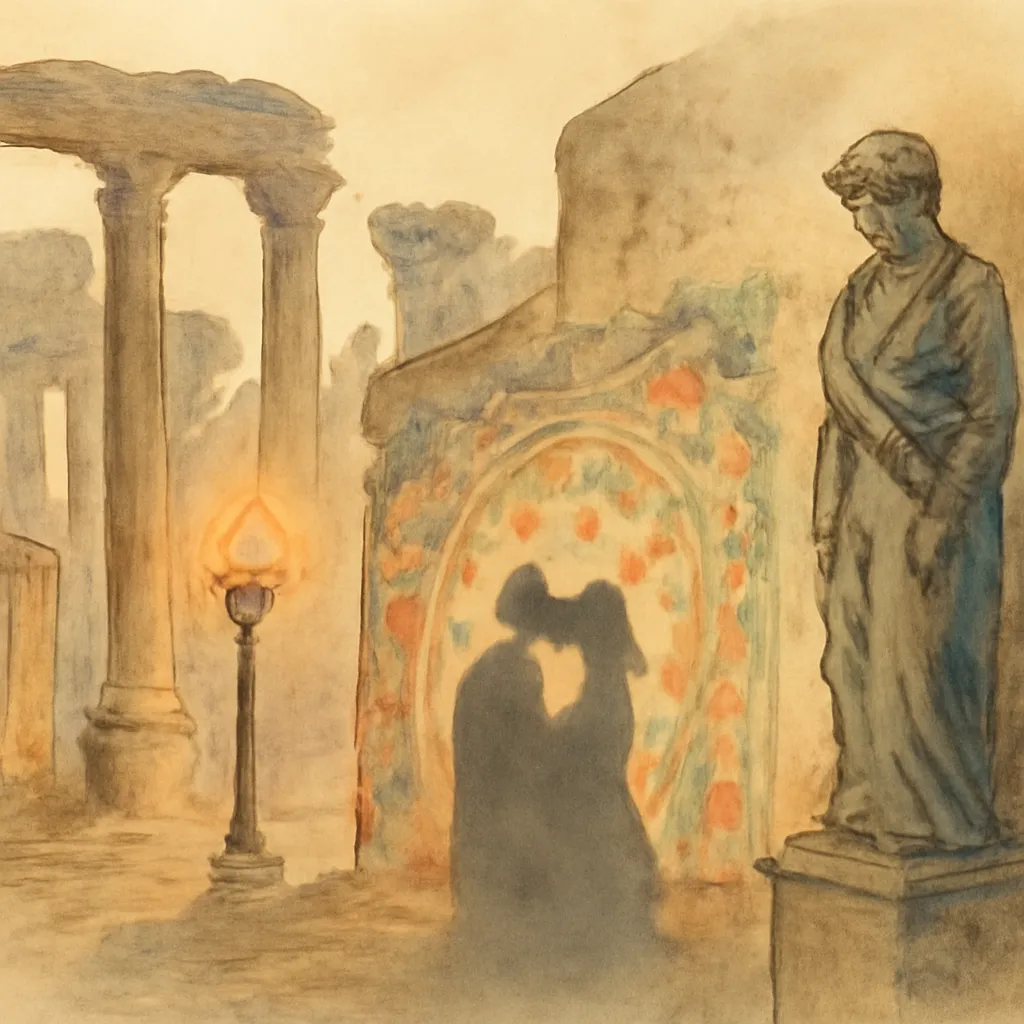
Goethe's exploration of Rome transforms the city into a vibrant backdrop for the unfolding romantic encounters within 'Erotica Romana.' He depicts the city not merely as a historical artifact, but as a living entity rich with stories, art, and spirit. The poet's wanderings through Rome's streets, churches, and palaces serve to illustrate how the grandeur of the city is intricately tied to the experience of love. The longing for a beloved who remains elusive adds emotional stakes to the journey, as the poet feels that without love, the magnificence of Rome loses its significance. This connection between the city and the experience of love emphasizes the idea that passion and place are deeply intertwined. The poet's musings suggest that each brick, monument, and courtyard holds the echoes of past loves and desires, creating an atmosphere that nourishes the soul and ignites longing. In essence, Rome becomes a character in its own right, weaving itself into the fabric of desire and romance.
3.Cupid: The Divine Trickster

Throughout 'Erotica Romana,' Goethe portrays Cupid as a complex figure whose arrows evoke a spectrum of emotions ranging from joy to pain. This portrayal transcends the simplistic view of Cupid as merely a playful child; instead, he emerges as a deity wielding immense power over human hearts. The poet acknowledges that love can serve as a source of ecstasy while simultaneously inflicting heartache, with Cupid's influence leading to experiences that are both intoxicating and tormenting. Goethe's exploration of the different effects of Cupid's arrows illustrates how love can permeate one's being—some arrows merely graze the heart, while others penetrate deeply, igniting a fervor that can consume one's very essence. This duality emphasizes the unpredictable and often chaotic nature of love, where the same force may lead to both fulfillment and despair. This nuanced depiction invites readers to reflect on their own experiences with love and desire, recognizing the complexities and contradictions inherent in human connections.
4.Seduction as an Art Form
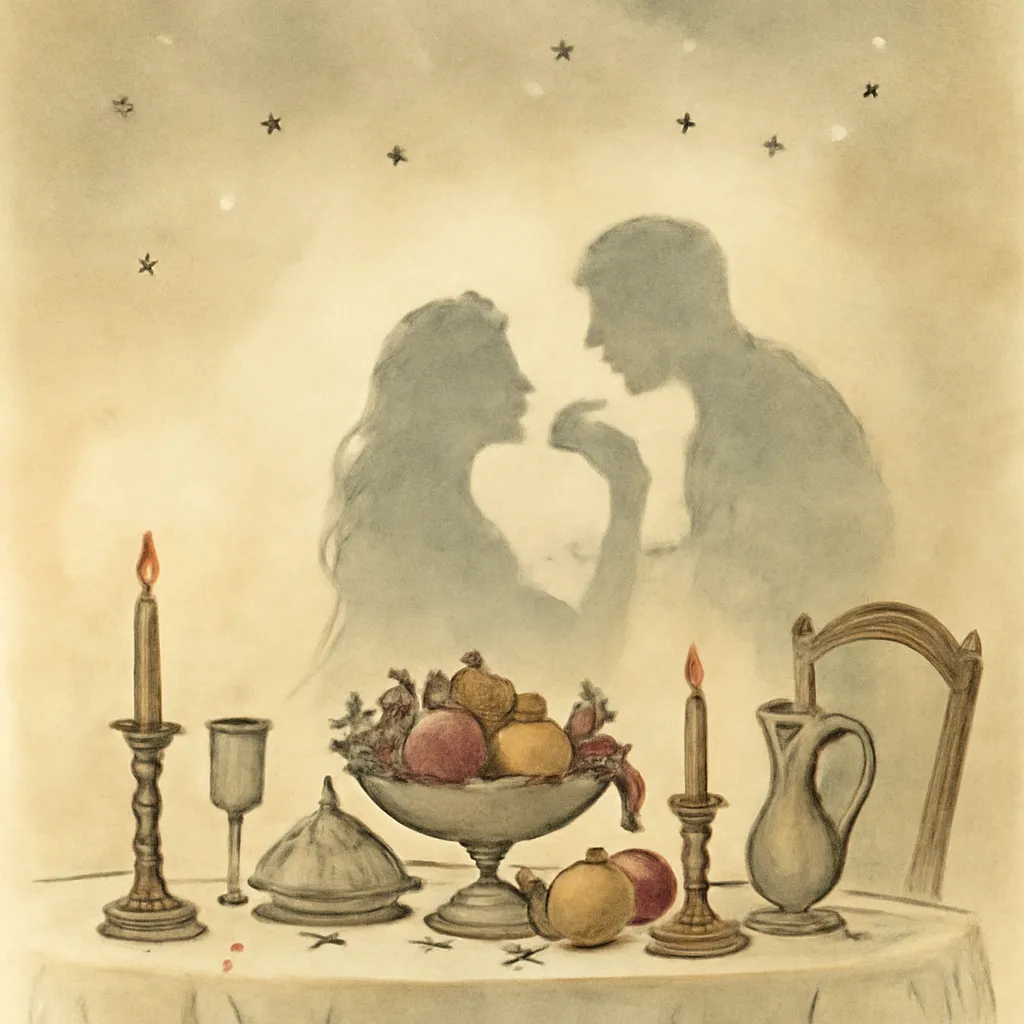
In 'Erotica Romana,' Goethe delves into the intricacies of seduction, presenting it as both an art and a natural instinct that requires finesse and understanding. He emphasizes that true intimacy transcends the superficial trappings of wealth and social status, valuing genuine connection over ostentation. The poet's reflections on clothing and adornments reveal a desire for authenticity in romantic encounters, suggesting that the essence of love is found in simplicity and vulnerability. By stripping away societal expectations and pretenses, Goethe seeks to uncover the raw, unadulterated nature of desire—a desire that is relatable and human. The poet's exploration of seduction as an intimate dance highlights the delicate interplay between attraction, trust, and the joy of discovery in relationships. Through this lens, seduction is not merely about physical allure; it is an engagement of minds and souls, a meeting of hearts that celebrates the beauty of mutual desire.
5.The Sacred Worship of Love
Goethe presents love as a form of worship, where lovers discreetly offer their devotion to the divine powers governing desire. This notion elevates love to a sacred experience, where each lover becomes a participant in a greater mystery. The poet's invocation of various gods and goddesses reflects the multifaceted nature of love and desire, as he seeks favor from the immortal beings to bless his passion. The portrayal of love as a spiritual journey underscores the idea that romantic connections are not merely physical; they are profound experiences that illuminate the human condition. This theme emphasizes that love is an act of devotion, akin to a religious ceremony, where emotional investment is paramount. By framing love in this way, Goethe invites readers to appreciate the transformative power of romantic relationships, suggesting that love, like faith, can guide individuals toward a deeper understanding of themselves and the world around them.
6.Fidelity and the Struggle for Desire

In the elegies, Goethe grapples with the tension between fidelity and desire, exploring the complexities of romantic relationships in the context of societal expectations. He reflects on the challenges faced by lovers, particularly the burden of living up to societal norms that often dictate behavior. The poet conveys a sense of longing for the freedom to explore passion without the constraints of fidelity, presenting love as an evolving concept that allows for personal growth and exploration. However, he also acknowledges the beauty and strength found in loyalty, recognizing that deep emotional bonds can form through commitment. This struggle between the desire for exploration and the comfort found in steadfastness enriches the narrative, illustrating that love is a dynamic force encompassing both freedom and loyalty. By presenting this duality, Goethe invites readers to contemplate their own relationships and the balance between desire and commitment, ultimately suggesting that both can coexist harmoniously within the realm of love.
7.Empowerment of Women in Love

Goethe's portrayal of women in 'Erotica Romana' is multifaceted, recognizing their strength, agency, and complexity within romantic relationships. The poet depicts women as active participants in the dance of love, capable of seduction, wisdom, and emotional depth. He acknowledges the societal constraints that women face, yet celebrates their resilience and ability to navigate the intricacies of desire. Through the lens of various female characters, Goethe explores themes of loyalty, seduction, and the power dynamics present in relationships, revealing the rich inner lives of women as they engage in their own pursuits of passion. This nuanced representation challenges traditional notions of femininity, suggesting that women are not merely objects of desire but rather powerful agents in their own right. By highlighting the complexities of female desire, Goethe encourages a deeper understanding of women's experiences in the realm of love, illustrating their roles as both lovers and leaders in the pursuit of passion.
8.The Cyclical Nature of Desire

Goethe captures the cyclical nature of desire throughout the elegies, illustrating how love can ebb and flow like the tides. He reflects on the transient moments of passion that can ignite intense feelings, only to fade away, leaving behind a lingering ache. This cycle is emblematic of the human experience, where moments of joy are often intertwined with sorrow, and the poet's exploration of fleeting encounters and lasting memories highlights the bittersweet essence of love. The imagery of seasons changing serves to reinforce the idea that just as nature undergoes cycles of growth and decay, so too do human emotions. By embracing this cyclical understanding of desire, Goethe encourages readers to appreciate the entire spectrum of romantic experiences, acknowledging that even when desire wanes or relationships shift, the emotional impact remains. This perspective suggests that love's impermanence can enhance its beauty, making each moment of connection all the more precious.
9.The Passage of Time and Love
Goethe's elegies poignantly reflect on the passage of time and its profound impact on love and desire. The poet contemplates how the fleeting nature of life adds layers of urgency to romantic encounters, suggesting that awareness of mortality heightens the intensity of passion. This theme of temporality serves as a reminder that love, while deep and fulfilling, is often impermanent. The poet's musings on seasonal changes and life's cycles echo the idea that love must be cherished in the moment, as experiences can vanish as quickly as they arise. Goethe captures the delicate balance between longing for timeless love and accepting its transient nature, inviting readers to embrace the beauty of the present. This understanding of love as a fleeting yet powerful experience encourages an appreciation for the time spent together, urging individuals to revel in their connections and to express their affections fully before the sands of time slip away.
10.Celebration of Sensuality and Intimacy

In 'Erotica Romana,' Goethe fervently celebrates the sensual aspects of love, portraying physical intimacy as an essential component of the romantic experience. The poet's vivid descriptions of touch, taste, and visual beauty evoke a world of pleasure that transcends the mere act of love-making. This celebration of sensuality invites readers to embrace the physical dimensions of desire, recognizing that such experiences can be both deeply fulfilling and transformative. Goethe's exploration of the body as a site of connection and expression underscores the importance of intimacy in fostering emotional bonds. By elevating sensuality to a place of reverence, the poet encourages individuals to understand that love is as much about physical closeness as it is about emotional connection. This nuanced celebration of intimacy suggests that sensual pleasure can enrich relationships, creating a profound sense of unity and fulfillment that transcends mere physical attraction.