1.Class and Social Mobility
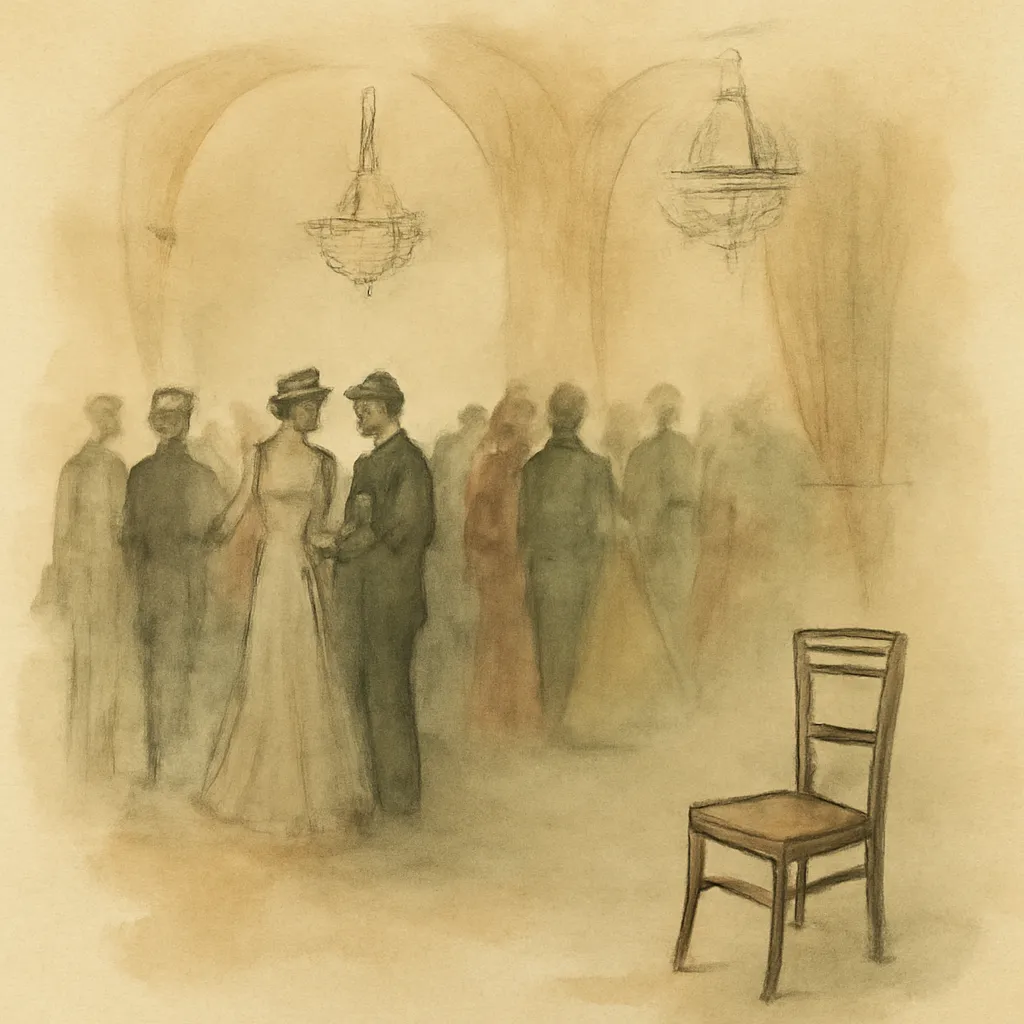
The novel begins with the marriage of Miss Maria Ward to Sir Thomas Bertram, establishing a world where wealth and social standing dictate relationships and opportunities. Austen illustrates the limited social mobility of women, as exemplified by Maria's sisters, who struggle to find equal matches due to their lack of fortune. Fanny Price, the impoverished cousin, serves as a lens through which the reader examines the rigid class structures of the time. Her lowly status both complicates her acceptance into the Bertram family and influences her self-perception. The stark contrast between Fanny's modest upbringing and the opulence of Mansfield Park highlights the pervasive nature of class distinctions, questioning the fairness of a society that values wealth over character. This theme of class is further explored through Fanny's relationships, particularly with the Crawfords, who embody a different set of moral values and social expectations, ultimately challenging Fanny’s understanding of her own worth.
2.Fanny Price: The Quiet Heroine
Fanny Price is characterized by her moral fortitude and quiet strength, setting her apart from the more flamboyant and socially adept characters around her. Initially perceived as timid and shy, Fanny's true resilience emerges as she navigates the complexities of her relationships with her cousins, particularly Maria and Julia Bertram. Unlike her cousins, who are often swayed by societal pressures and romantic entanglements, Fanny remains steadfast in her principles, valuing integrity over popularity. Her discomfort in social settings and her reluctance to engage in the frivolities of her relatives showcase her depth and introspection. Throughout the novel, Fanny's character development is significant; she evolves from a passive observer to a central figure who ultimately asserts her own desires and beliefs. Austen's portrayal of Fanny challenges the notion of traditional femininity, suggesting that strength can manifest in subtle, yet powerful ways.
3.The Influence of Environment on Morality
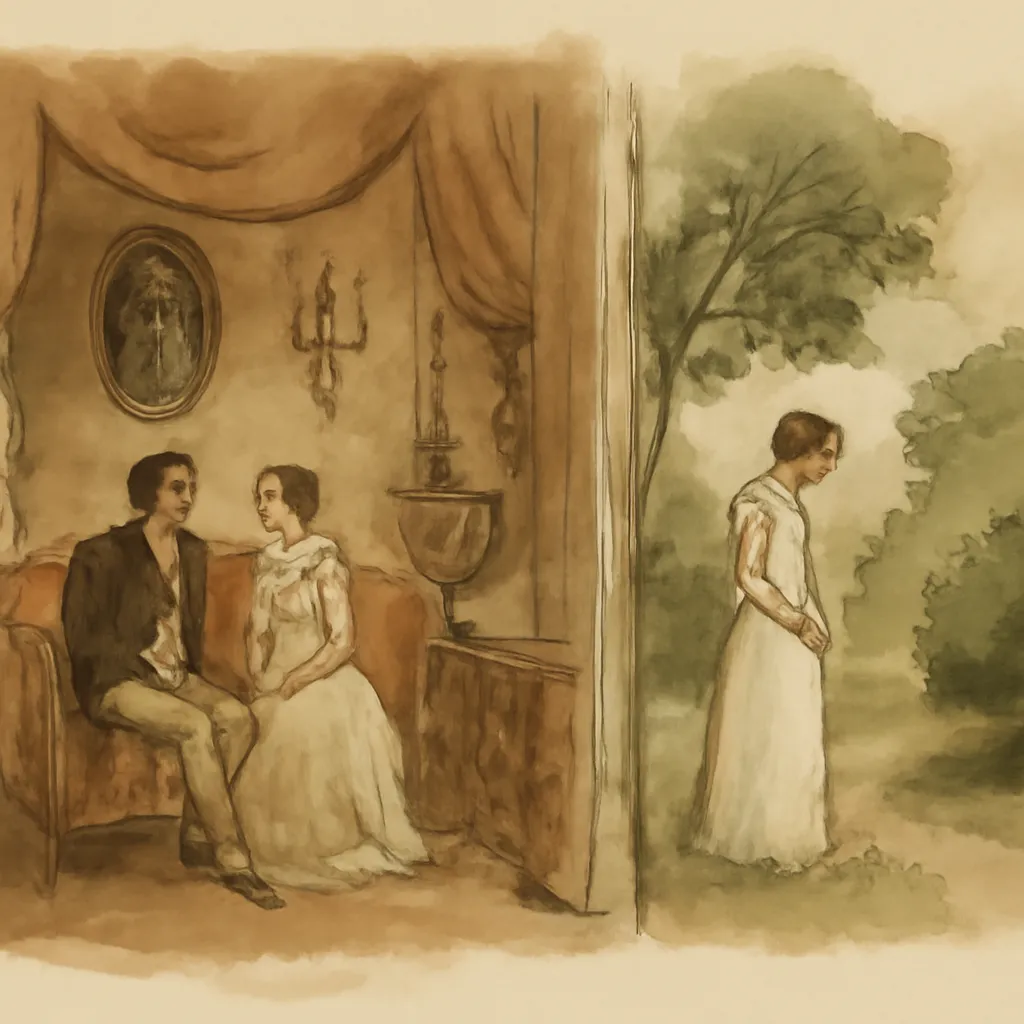
Austen intricately weaves the theme of environment and its influence on moral development throughout 'Mansfield Park'. The contrasting settings of Mansfield and the Crawford household serve as a backdrop for the characters' ethical choices. Mansfield Park, with its order and propriety, represents the ideal of moral rectitude, while the Crawfords’ free-spirited lifestyle embodies a more hedonistic approach to life. Fanny’s moral compass is tested as she interacts with the more morally ambiguous Crawfords, especially Henry Crawford, whose charm and wit initially captivate her. However, as Fanny observes their actions, she becomes increasingly aware of the moral decay that can accompany a life devoid of principles. This tension culminates in Fanny's ultimate rejection of Henry's advances, reinforcing her commitment to her values despite societal temptations. Austen uses these contrasting environments to illustrate that one's surroundings can profoundly shape personal ethics and choices.
4.Romantic Ideals vs. Reality
The romantic entanglements in 'Mansfield Park' serve as a critical lens through which Austen examines the disparity between romantic ideals and the often harsh realities of love. Characters such as Maria Bertram and Henry Crawford embody the allure of passionate romance, yet their relationships reveal the superficiality and moral ambiguity that often accompany such desires. Maria's infatuation with Henry leads her to compromise her values and ultimately results in her downfall, illustrating the dangers of prioritizing romantic passion over virtue. In contrast, Fanny’s relationship with Edmund Bertram develops slowly and is rooted in mutual respect and understanding, reflecting a more substantive foundation for love. As Fanny navigates her feelings for Edmund and the distractions posed by the Crawfords, Austen critiques the notion of romantic love as a mere escape from reality, advocating instead for a love that is grounded in moral integrity and shared values.
5.The Role of Women in Society
Austen’s portrayal of women in 'Mansfield Park' reveals the limited roles available to them in a patriarchal society. The female characters embody various responses to their societal constraints, from Fanny’s quiet resilience to Maria’s overt ambition. Fanny represents the ideal of the moral woman, whose worth is tied to her character rather than her social status or beauty. In contrast, Maria and Julia Bertram, who leverage their beauty and charm to secure advantageous marriages, ultimately find themselves trapped in their choices. The novel critiques the societal expectation that women must marry for security rather than love, as seen in Maria’s ill-fated union with Mr. Rushworth. Through Fanny's struggles and the fates of her cousins, Austen underscores the importance of women’s agency and the necessity of cultivating one's moral self in a society that often values appearance over substance.
6.Family Dynamics and Loyalty
The relationships within the Bertram family highlight the complexities of loyalty and familial duty. Fanny’s position as a poor relation complicates her interactions with her wealthier cousins, leading to feelings of isolation and neglect. Yet, her loyalty to her family is unwavering, as she often puts their needs above her own. The contrasting treatment of Fanny by her relatives raises questions about the nature of familial love and obligation. Sir Thomas Bertram, while initially well-meaning, often prioritizes social decorum over genuine familial affection, particularly in his dealings with Fanny. This dynamic illustrates the tension between societal expectations and authentic relationships, as Fanny struggles to assert her place within the family while remaining true to her principles. Austen uses these familial interactions to explore the themes of loyalty, sacrifice, and the often painful realities of family life.
7.Moral Education and Personal Growth
Fanny's journey in 'Mansfield Park' can be seen as a moral education, where she gradually learns to navigate the complexities of human relationships and societal expectations. Through her experiences, Fanny develops a keen understanding of morality, recognizing the importance of integrity and personal values. Her interactions with the Crawfords serve as critical lessons; she observes their moral failings and the consequences of their actions, which solidifies her own beliefs. The turning point in Fanny’s character arc occurs when she stands up to Sir Thomas and asserts her right to choose her own path, marking her emergence as a morally independent individual. Austen emphasizes the significance of personal growth through self-reflection and moral conviction, suggesting that true education extends beyond the confines of formal schooling to encompass the development of one’s character.
8.The Consequences of Indulgence
Austen illustrates the perils of indulgence through the characters of Tom Bertram and the Crawfords, whose lives are marked by excess and lack of accountability. Tom’s reckless behavior and financial irresponsibility lead to a significant strain on the family, ultimately forcing Sir Thomas to make difficult decisions regarding the future of Mansfield Park. Similarly, the Crawfords’ lifestyle, characterized by flirtation and emotional manipulation, results in a series of broken relationships and moral decay. The consequences of their indulgent behaviors serve as a cautionary tale, highlighting the importance of self-discipline and the potential fallout of prioritizing pleasure over responsibility. Austen’s critique of indulgence extends to societal norms that glorify wealth and leisure, advocating instead for a life grounded in virtue and moral responsibility.
9.The Power of Resilience
Fanny’s character embodies resilience in the face of adversity, making her a powerful example of strength and perseverance. Despite her lowly status and the challenges posed by her relatives, she remains steadfast in her convictions and moral beliefs. Fanny's ability to navigate the complexities of her environment, from the indifference of her relatives to the allure of the Crawfords, showcases her inner strength. Throughout the novel, she endures emotional trials, including the rejection of her feelings for Edmund and the pressures to conform to societal expectations. Yet, she consistently chooses to uphold her principles, demonstrating that true resilience lies not in outward displays of strength but in the quiet determination to remain true to oneself. Austen’s portrayal of Fanny’s resilience serves as an inspiring reminder of the power of integrity and the importance of staying grounded in one’s values, regardless of external circumstances.









![Love and Freindship [sic] by Jane Austen — book cover](https://phjwossjnjjokynbvrst.supabase.co/storage/v1/object/public/books/covers/love-and-freindship-sic.jpg)