1.The Role of the Artist
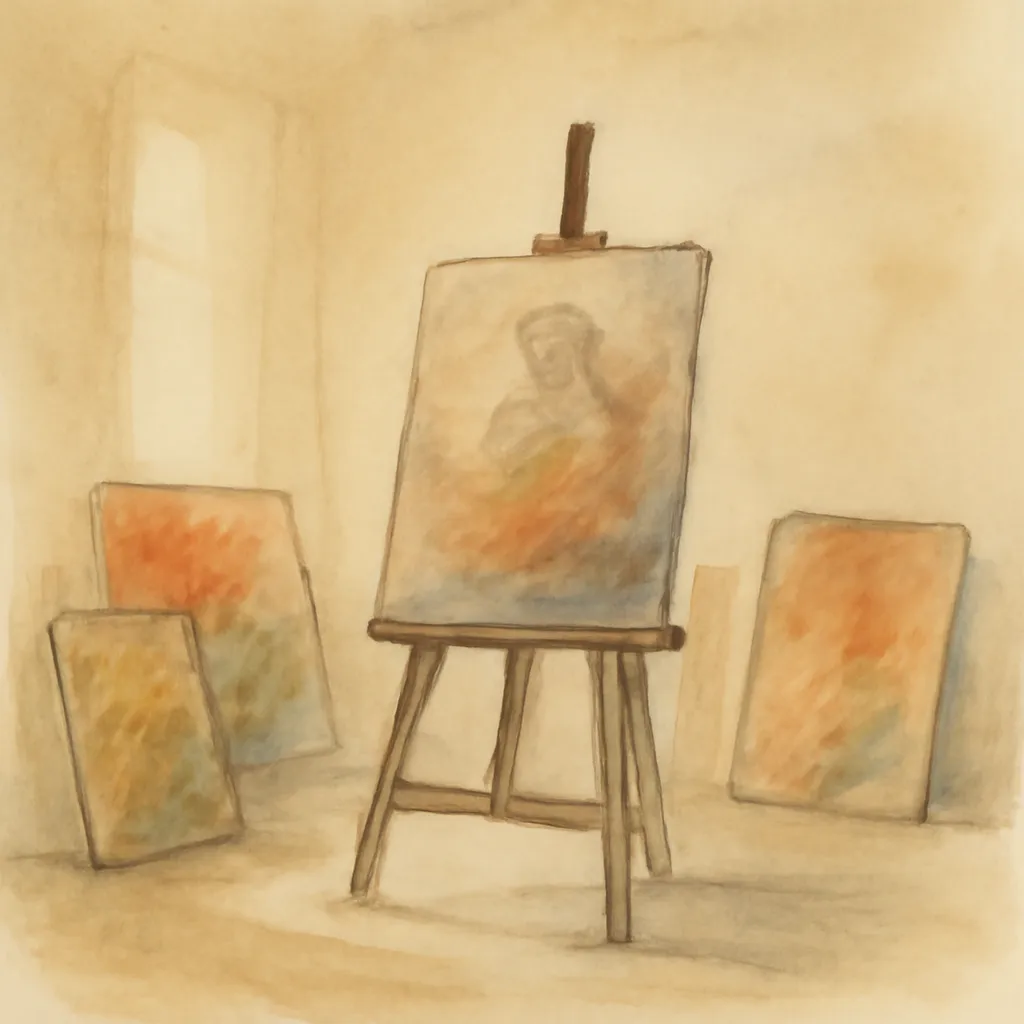
Wilde opens with a clear assertion about the artist's role in society. The artist is not merely a creator of beautiful things but a conduit through which beauty is expressed. Art exists to reveal beauty while concealing the artist's identity, suggesting that the work should speak for itself. This idea is significant as it sets the stage for the entire narrative, emphasizing the importance of aestheticism over the moral implications of the artist's life. Wilde argues that true art transcends ethical considerations, which is pivotal to understanding Dorian's journey. As Dorian becomes increasingly engrossed in a life of indulgence, the moral decay in his character contrasts sharply with the beauty of his portrait, illustrating the tension between aestheticism and ethics.
2.Dorian's Transformation
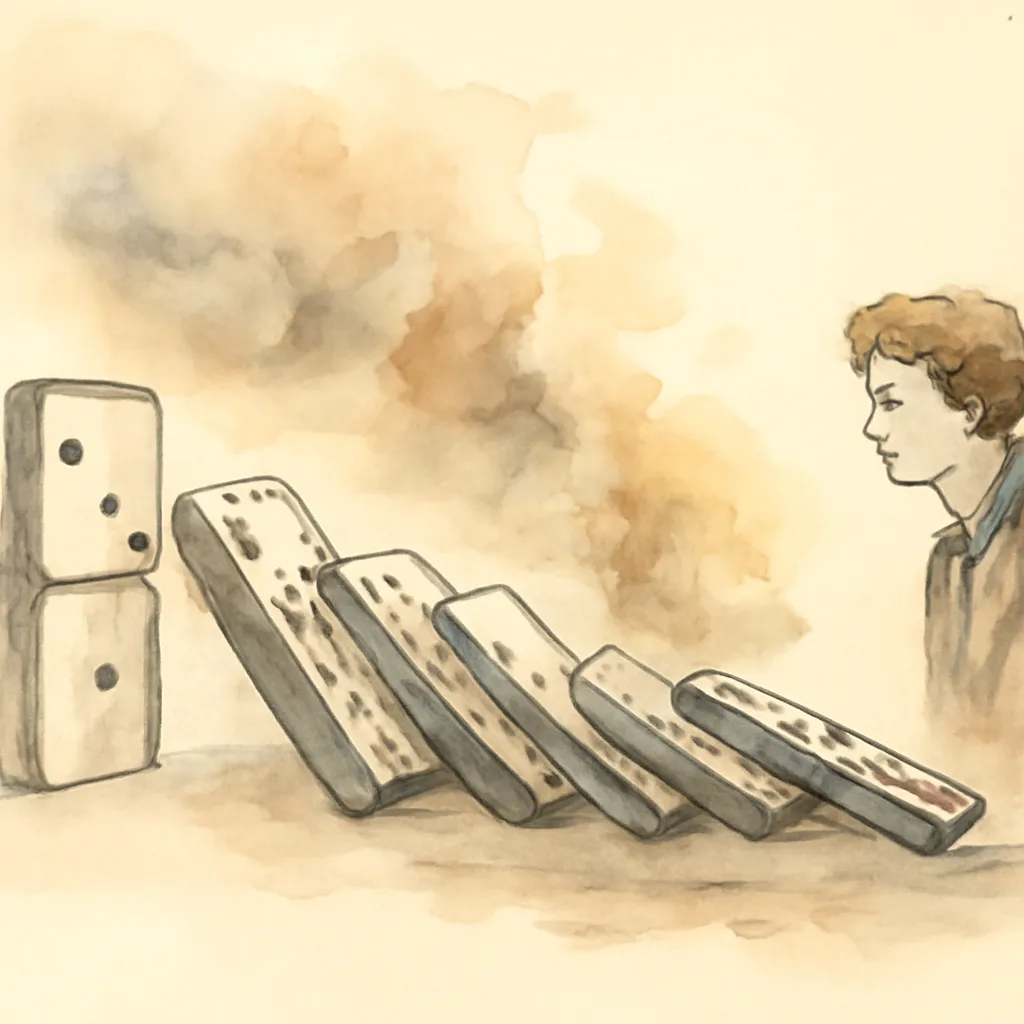
Dorian Gray's metamorphosis from an innocent youth to a hedonistic figure embodies the novel's central theme of the duality of human nature. Initially, Dorian is portrayed as a naïve and beautiful young man, untouched by the corruption of society. However, after meeting Lord Henry, he becomes enamored with the idea of pursuing pleasure above all else. This shift in perspective leads Dorian to wish for his portrait to age instead of him, a wish that symbolizes his desire to escape the consequences of his actions. As he immerses himself in a life of excess, the stark contrast between his external beauty and the internal corruption reflected in the portrait highlights the moral decay that accompanies his pursuit of pleasure. Dorian's transformation serves as a critique of the superficial values of society, where beauty is often prioritized over virtue.
3.Influence of Lord Henry Wotton
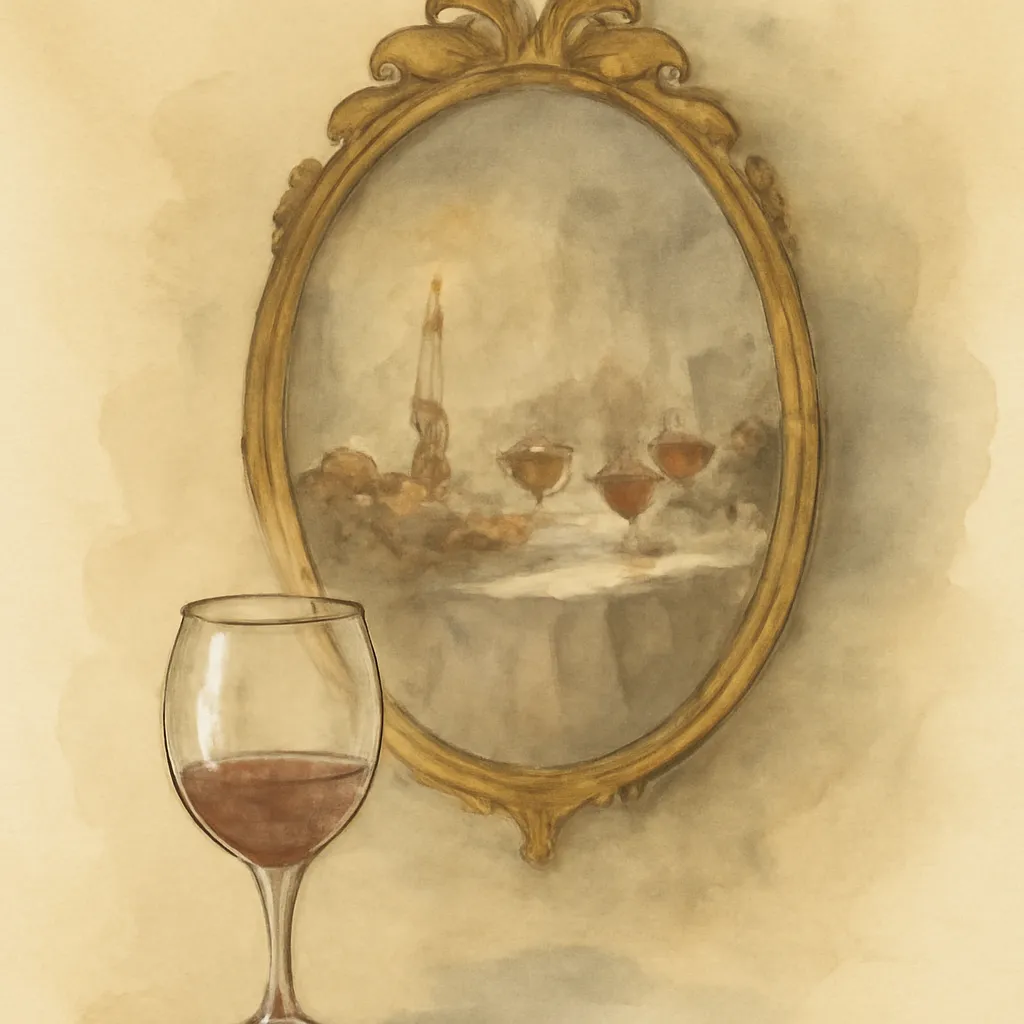
Lord Henry Wotton is a pivotal character who embodies the philosophy of hedonism and aestheticism. His charismatic and paradoxical nature captivates Dorian, leading him down a path of moral ambiguity. Lord Henry's famous aphorisms encourage Dorian to embrace a life of indulgence, presenting a worldview that prioritizes sensory experiences over ethical considerations. This influence plays a crucial role in Dorian's transformation, as he internalizes Lord Henry's views on beauty and pleasure. The relationship between the two men highlights the dangers of mentorship, especially when the mentor espouses a lifestyle devoid of moral accountability. Dorian's eventual downfall can be traced back to Lord Henry's seductive philosophy, making him a symbol of toxic influence in the pursuit of a hedonistic life.
4.The Portrait as a Symbol
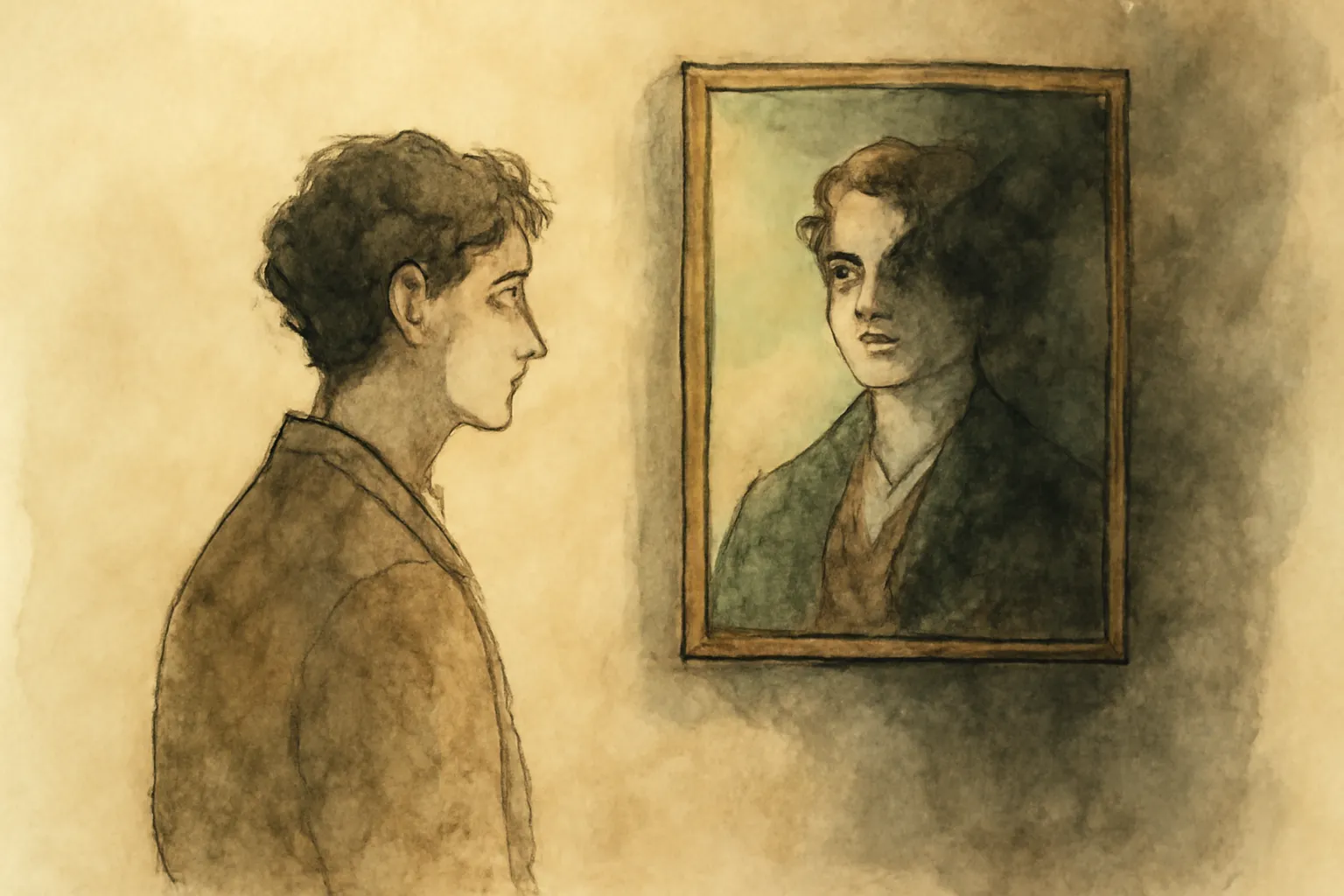
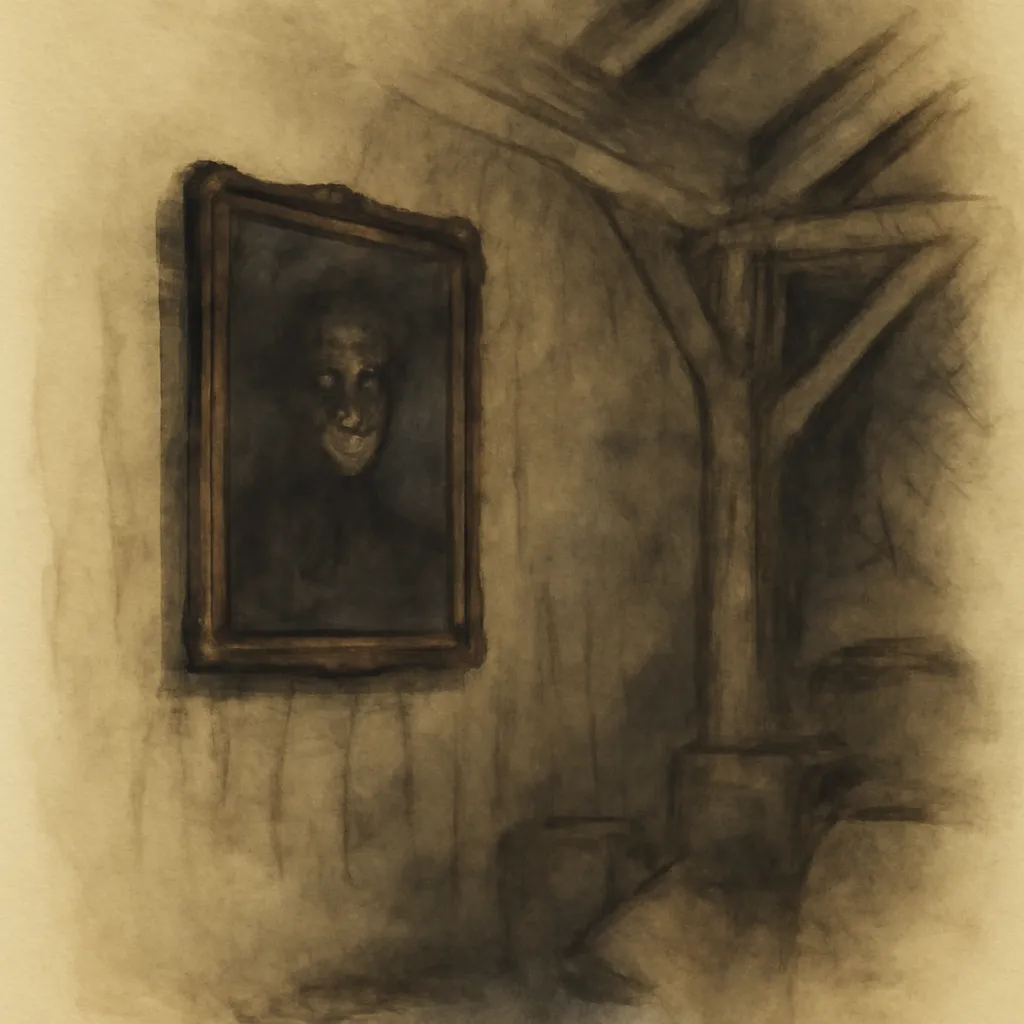
The portrait of Dorian Gray serves as a powerful symbol throughout the novel, representing the consequences of a life lived without regard for morality. Initially, the portrait captures Dorian's youthful beauty, but as he descends into depravity, the painting becomes a grotesque reflection of his corrupted soul. This transformation underscores the theme of duality, illustrating how one's external appearance can starkly contrast with internal reality. The portrait acts as a constant reminder of Dorian's moral degradation, creating a psychological burden that he struggles to escape. Wilde uses the portrait to comment on the nature of art and its relationship to life, suggesting that while beauty can be preserved in art, the soul's corruption is inescapable. Dorian's attempts to hide the portrait reflect his desire to evade the consequences of his actions, ultimately leading to his tragic fate.
5.The Consequences of Hedonism
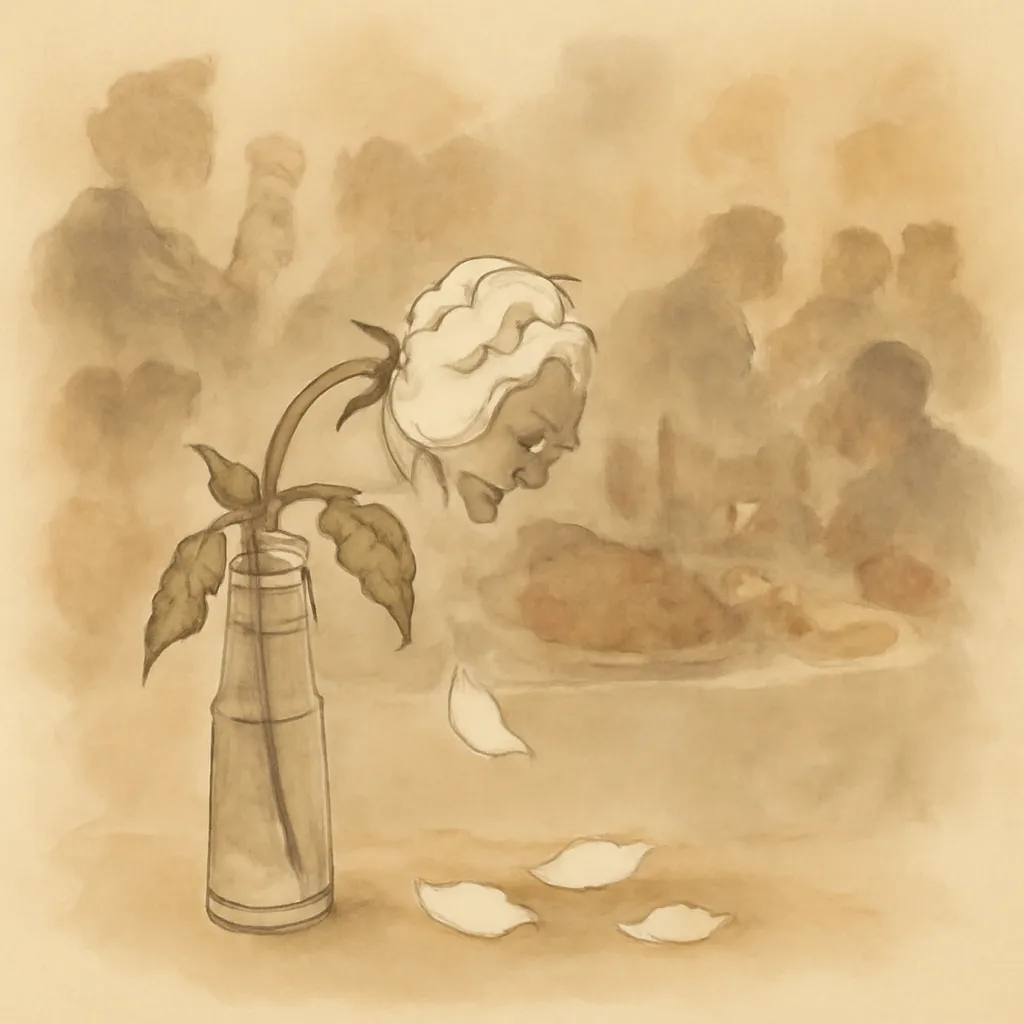
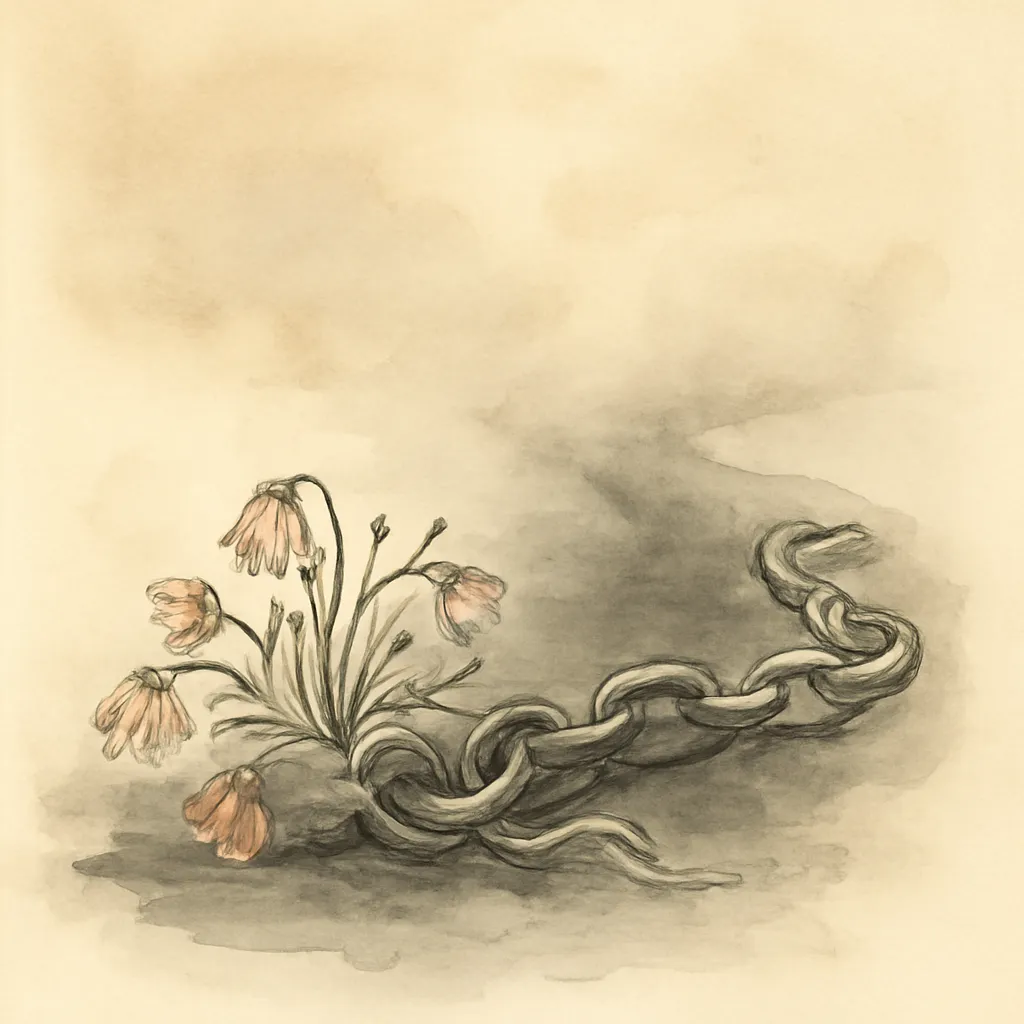
Dorian Gray's pursuit of pleasure leads to dire consequences, illustrating the dangers of hedonism. Initially, Dorian revels in the freedom that comes with his newfound philosophy, indulging in extravagant parties, relationships, and experiences. However, as he becomes increasingly detached from reality, the repercussions of his actions begin to surface. The death of Sibyl Vane, a tragic consequence of Dorian's selfishness, marks a turning point in the narrative. This event forces Dorian to confront the reality of his choices, yet he continues to spiral deeper into moral decay. Wilde emphasizes that unchecked hedonism ultimately leads to isolation, despair, and a loss of humanity. Dorian's journey serves as a cautionary tale about the seductive allure of a pleasure-driven life and its potential to consume one's soul.
6.The Nature of Beauty
The novel raises profound questions about the nature of beauty and its impact on human behavior. Dorian Gray's physical beauty becomes both a gift and a curse, attracting admiration while simultaneously leading him to a life devoid of true fulfillment. Wilde suggests that society's obsession with beauty can corrupt individuals, as they may prioritize appearance over substance and morality. Dorian's interactions with others often revolve around his looks, which blinds him to the deeper qualities that define true character. The superficiality of social interactions in the novel reflects Wilde's critique of Victorian society, where aesthetic appeal often overshadows moral integrity. Ultimately, the novel argues that while beauty is fleeting and alluring, it can also lead to profound emptiness if not accompanied by a sense of ethics and responsibility.
7.The Illusion of Eternal Youth
Dorian Gray's desire for eternal youth reveals the human obsession with preserving beauty and avoiding the ravages of time. His wish for the portrait to age in his place symbolizes a denial of mortality and the natural consequences of life. This longing for immortality drives Dorian to engage in increasingly reckless behavior, as he believes he can escape the repercussions of his actions. Wilde explores the philosophical implications of this desire, suggesting that the pursuit of eternal youth ultimately leads to moral decay and disillusionment. Dorian's eventual realization that his beauty cannot shield him from the consequences of his choices serves as a poignant reminder of the inevitability of aging and the importance of embracing one's humanity. The novel critiques society's fixation on youth, advocating for a deeper understanding of life that transcends mere physical appearance.
8.Morality and Consequence
Wilde intricately weaves themes of morality and consequence throughout the narrative, challenging readers to consider the implications of their actions. Dorian Gray's initial detachment from morality allows him to indulge in a life of excess without consideration for the harm it causes others. However, as the story unfolds, the weight of his choices begins to manifest in increasingly dire ways. The moral consequences of Dorian's actions culminate in a series of tragedies that force him to confront the impact of his hedonistic lifestyle. Wilde's exploration of morality highlights the interconnectedness of individual actions and their repercussions, emphasizing that one cannot escape the moral fabric of existence. This theme resonates throughout the novel, serving as a reminder that ethical considerations are intrinsic to the human experience.
9.The Search for Redemption
As Dorian Gray grapples with the consequences of his actions, the theme of redemption emerges as a crucial aspect of his journey. Initially, Dorian appears indifferent to the suffering he causes, but as the weight of his guilt becomes unbearable, he begins to seek a way to atone for his transgressions. This search for redemption is fraught with challenges, as Dorian struggles to reconcile his desire for moral integrity with the seductive allure of his past pleasures. Wilde illustrates that the path to redemption is complex and often marked by inner turmoil. Dorian's ultimate confrontation with his portrait symbolizes a reckoning with his true self, forcing him to confront the reality of his choices. The novel suggests that while redemption is possible, it requires a deep understanding of one's actions and a willingness to embrace the consequences of one's past.
10.The Superficiality of Society
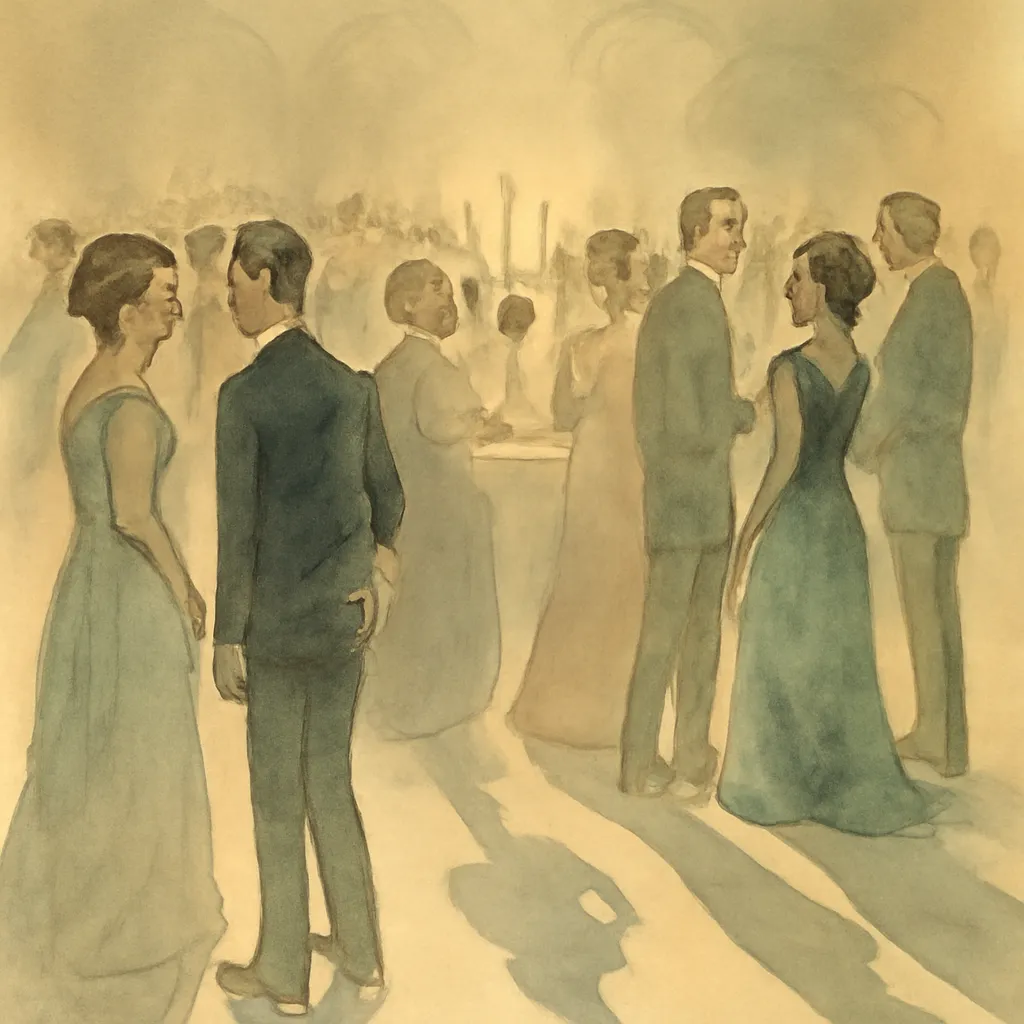
Wilde's portrayal of Victorian society serves as a critique of its superficial values and moral hypocrisy. Characters in the novel often prioritize appearance and reputation over genuine virtue, leading to a culture of deceit and pretense. Dorian Gray's interactions with the aristocracy reveal a world obsessed with status, beauty, and pleasure, where moral integrity is frequently sacrificed for social acceptance. This superficiality is epitomized in characters like Lord Henry, who revels in the art of manipulation and charm, often at the expense of others. Wilde's critique extends beyond individual characters to encompass the societal structures that uphold these values, suggesting a broader commentary on the emptiness of a life devoted to aesthetics without ethical considerations. The novel challenges readers to reflect on the consequences of valuing appearances over substance, urging a deeper understanding of human nature.