1.The Role of Social Class
Austen's narrative is steeped in the rigid class structures of her time, which significantly influence the characters' relationships and decisions. The Bennet family, with their modest estate and five unmarried daughters, is acutely aware of their lower social standing compared to the wealthy Bingleys and Darcys. This social hierarchy creates a backdrop of tension, particularly in Elizabeth's interactions with Darcy, who embodies the upper class's pride and entitlement. Through Elizabeth's defiance against societal expectations, Austen critiques the limitations imposed by class distinctions. For example, Darcy's initial proposal to Elizabeth reveals his struggle between societal expectations and genuine affection, highlighting how class can complicate personal relationships. The novel ultimately suggests that true worth is not defined by wealth or status but by character and integrity.
2.First Impressions and Misjudgments
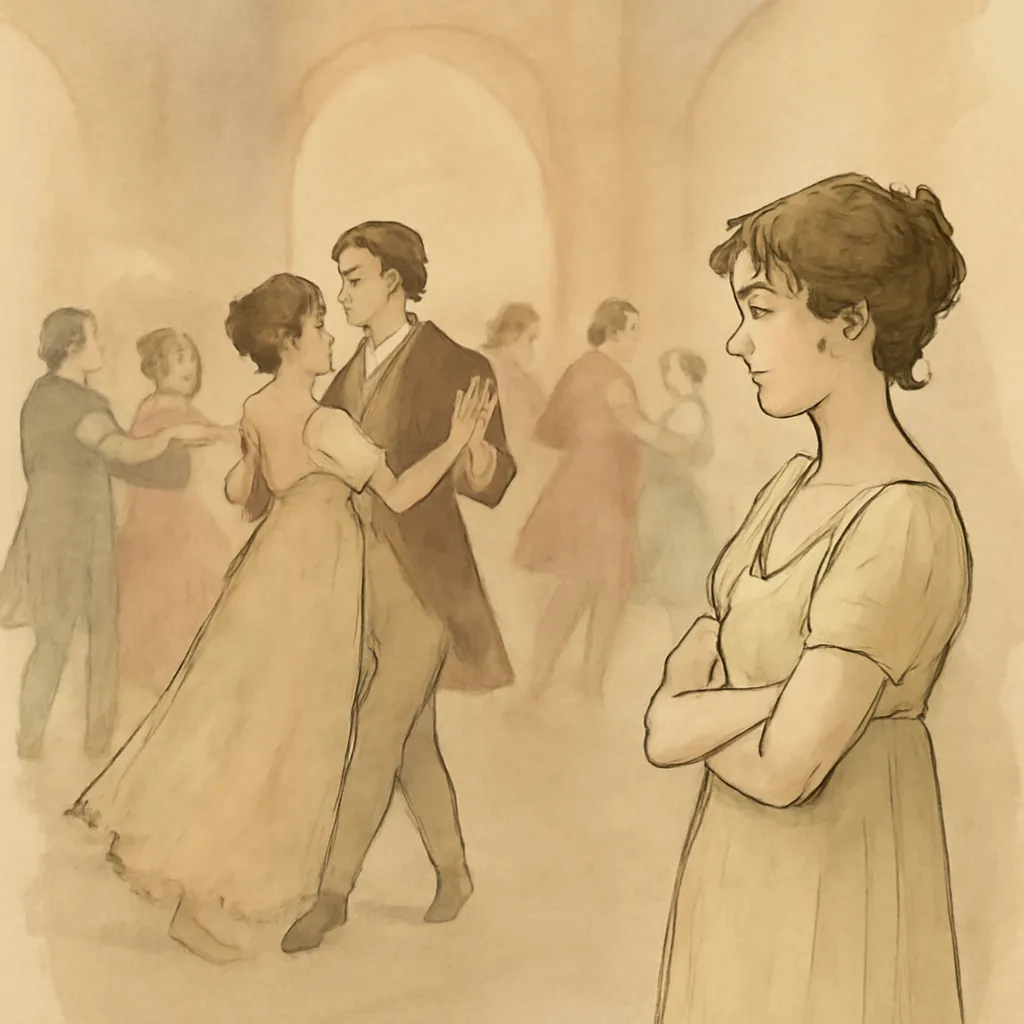
The theme of first impressions is central to the development of the plot and the characters, particularly in the relationship between Elizabeth and Darcy. Elizabeth's initial disdain for Darcy, based on his aloof demeanor at the Meryton ball, sets the stage for her prejudice against him. Conversely, Darcy's pride leads him to underestimate Elizabeth, whom he initially views as socially inferior. Austen cleverly uses these misjudgments to illustrate the dangers of forming opinions based on appearances. As the story unfolds, both characters undergo significant development; Elizabeth learns to confront her biases, while Darcy sheds his arrogance. Their eventual understanding of each other reveals the complexity of human emotions and the importance of looking beyond superficial traits. This evolution is pivotal, as it drives the narrative toward reconciliation and mutual respect.
3.The Importance of Personal Growth
Personal growth is a vital theme that permeates the lives of the characters, particularly that of Elizabeth and Darcy. Both characters start the story with significant flaws—Elizabeth with her quick judgments and Darcy with his arrogance. However, as the narrative progresses, they are forced to confront their shortcomings. For Elizabeth, the turning point occurs when she receives Darcy's letter, which reveals his true character and the circumstances that shaped his actions. This moment catalyzes her self-reflection, prompting her to reassess her previous judgments. Similarly, Darcy's transformation is evident when he chooses to act selflessly, aiding Elizabeth's family without seeking recognition. Their journeys underscore the idea that self-awareness and the willingness to change are essential for personal fulfillment and genuine relationships. Austen emphasizes that love can only flourish when individuals are willing to grow and adapt.
4.Family Dynamics and Expectations
The Bennet family dynamics serve as a microcosm of societal pressures and expectations regarding marriage and social standing. Mrs. Bennet's obsession with marrying off her daughters highlights the limited options available to women in her society, where financial security often takes precedence over love. Each of the Bennet sisters represents a different response to these pressures—Jane embodies the ideal of patience and kindness, while Lydia's impulsive nature leads her to reckless decisions. Elizabeth, as the protagonist, navigates these familial expectations with a blend of rebellion and pragmatism. Her refusal to marry for convenience, as seen in her rejection of Collins, marks her desire for a genuine connection. The contrast between the sisters' approaches reveals the varying degrees of agency women possess in a patriarchal society. Austen critiques these family dynamics, illustrating how they can both support and hinder individual aspirations.
5.Love as a Transformative Force
At its core, 'Pride and Prejudice' is a love story that illustrates how love can transform individuals and relationships. The evolving relationship between Elizabeth and Darcy exemplifies this theme, as their initial animosity gradually gives way to mutual respect and affection. Their love story is not a mere romantic plot but a profound journey of understanding and acceptance. Austen portrays love as a dynamic force that compels characters to confront their flaws and prejudices. For instance, Darcy's love for Elizabeth prompts him to act against his pride, leading to a more humble and generous version of himself. Conversely, Elizabeth's growing affection for Darcy encourages her to look beyond her initial judgments. This transformative power of love is further emphasized through other relationships in the novel, such as Jane and Bingley, where love fosters happiness and personal growth.
6.The Influence of Secondary Characters
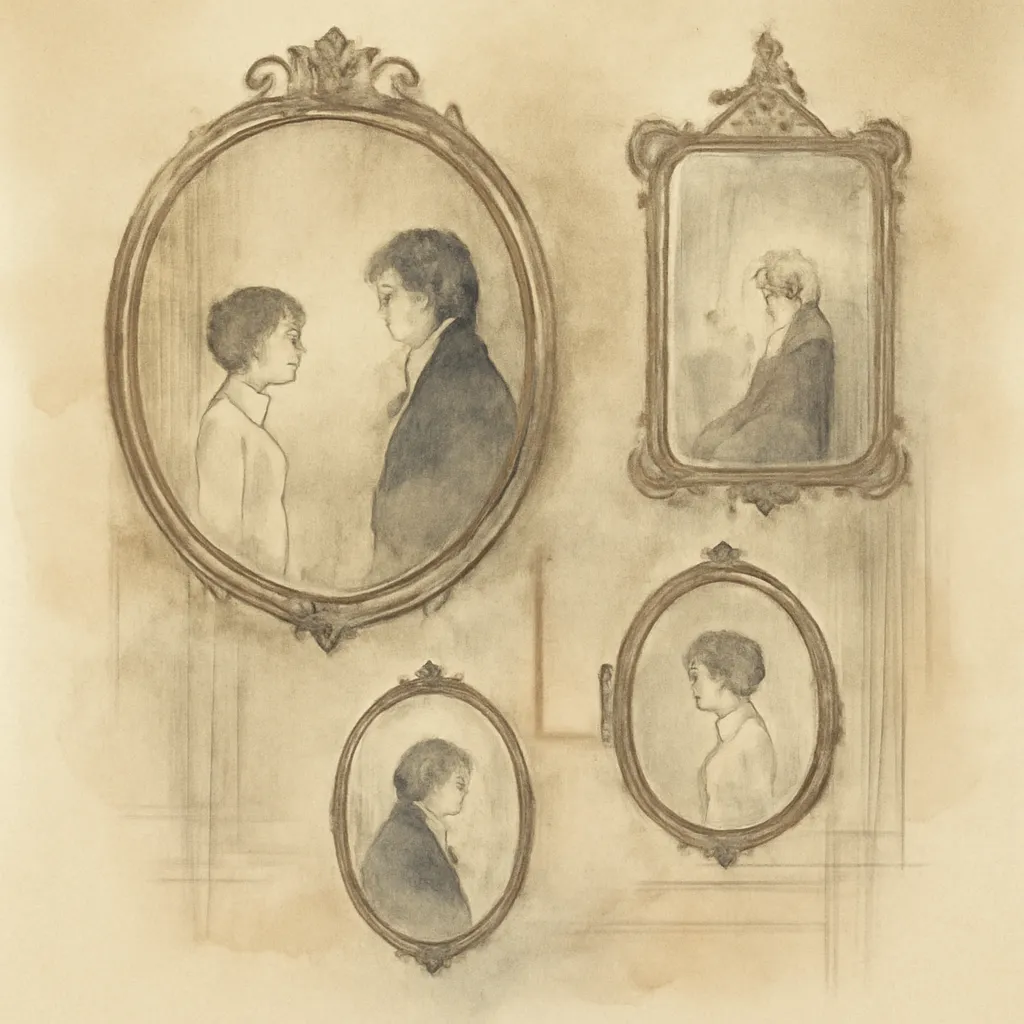
Austen populates her novel with a rich array of secondary characters that enhance the primary narrative and illuminate the main themes. Characters like Mr. Collins, Charlotte Lucas, and Lady Catherine de Bourgh serve as foils to Elizabeth and Darcy, highlighting their qualities and choices. Mr. Collins's absurdity and obsequiousness provide comic relief while also illustrating the pitfalls of social climbing and the absurdity of marriage based on convenience rather than love. Charlotte's pragmatic decision to marry Collins for security contrasts sharply with Elizabeth's ideals, prompting readers to consider the complexities of marriage in a restrictive society. Lady Catherine, as the embodiment of aristocratic privilege, challenges Elizabeth's independence, ultimately pushing her to assert her own worth. These characters enrich the narrative by providing diverse perspectives on love, marriage, and social expectations, deepening the reader's understanding of the central themes.
7.The Power of Communication
Effective communication—or the lack thereof—plays a crucial role in the misunderstandings and developments among the characters. Miscommunications often lead to conflict, as seen in Elizabeth's initial rejection of Darcy, which is based on her misinterpretation of his character. The pivotal moment of Darcy's letter serves as a turning point, where clear communication allows Elizabeth to reassess her views and understand Darcy's true intentions. This highlights the importance of dialogue in fostering understanding and resolving conflicts. Conversely, characters like Lydia and Wickham demonstrate the dangers of superficial communication, as their reckless behavior leads to scandal and familial strife. Austen underscores that meaningful relationships hinge on honest and open exchanges, suggesting that love and understanding can only flourish in an environment where communication is valued.
8.Irony and Social Commentary
Austen employs irony throughout 'Pride and Prejudice' as a tool for social commentary, particularly regarding the institution of marriage and societal norms. The title itself is an ironic reflection of the characters’ flaws—pride and prejudice often cloud their judgment and hinder their happiness. The contrast between characters’ perceptions and reality serves to critique the societal expectations surrounding marriage. For example, Mr. Collins’s pompous proposal to Elizabeth is laden with irony, as he views marriage as a transaction rather than a partnership based on love. Austen's sharp wit reveals the absurdities of her society, questioning the value placed on wealth and status over genuine affection. By weaving irony into her narrative, Austen not only entertains but also invites readers to reflect on the complexities and contradictions inherent in social conventions.
9.The Significance of Setting
The settings in 'Pride and Prejudice' are integral to the narrative, reflecting the characters' social standings and emotional states. From the opulent surroundings of Pemberley, Darcy's estate, to the modesty of the Bennets' Longbourn, these locations serve as symbols of wealth, class, and character. Pemberley, with its grandeur and natural beauty, represents Darcy's true character and the transformation he undergoes throughout the story. Elizabeth's visit to Pemberley marks a turning point in her perception of Darcy, as the estate embodies his virtues and capacity for kindness. In contrast, the cramped and chaotic atmosphere of Longbourn highlights the pressures faced by the Bennet family, emphasizing their precarious social position. Austen's careful attention to setting enriches the narrative, providing a backdrop that mirrors the characters’ inner lives and the societal context in which they operate.
10.The Complexity of Relationships
Austen intricately weaves various relationships throughout 'Pride and Prejudice,' showcasing the complexity of human connections. The contrasts between Elizabeth and her sisters, as well as her relationship with her parents, reveal differing attitudes toward love and marriage. For instance, Jane's gentle disposition and belief in the goodness of others starkly contrast with Elizabeth's more critical and discerning nature. This complexity is further illustrated in the relationship between Elizabeth and her mother, where Mrs. Bennet's obsession with marrying off her daughters creates tension and misunderstandings. Additionally, the dynamics between friends, such as Elizabeth and Charlotte, highlight the varying motivations behind marriage, contrasting romantic ideals with pragmatic choices. Through these relationships, Austen emphasizes that love is multifaceted and influenced by personal values, societal norms, and individual circumstances.










![Love and Freindship [sic] by Jane Austen — book cover](https://phjwossjnjjokynbvrst.supabase.co/storage/v1/object/public/books/covers/love-and-freindship-sic.jpg)