1.The Call to Awaken to Life
The opening verses of the Rubáiyát beckon the reader to wake up and appreciate the beauty of the world. 'Awake! for Morning in the Bowl of Night / Has flung the Stone that puts the Stars to Flight.' This vivid imagery suggests that life is fleeting, and the dawn of a new day brings opportunities that should not be missed. The call to action is clear; one must seize the day and revel in the experiences life has to offer. This theme is echoed throughout the text, emphasizing the importance of mindfulness and presence in a world that often distracts us from the beauty surrounding us.
2.Embracing the Joys of Existence
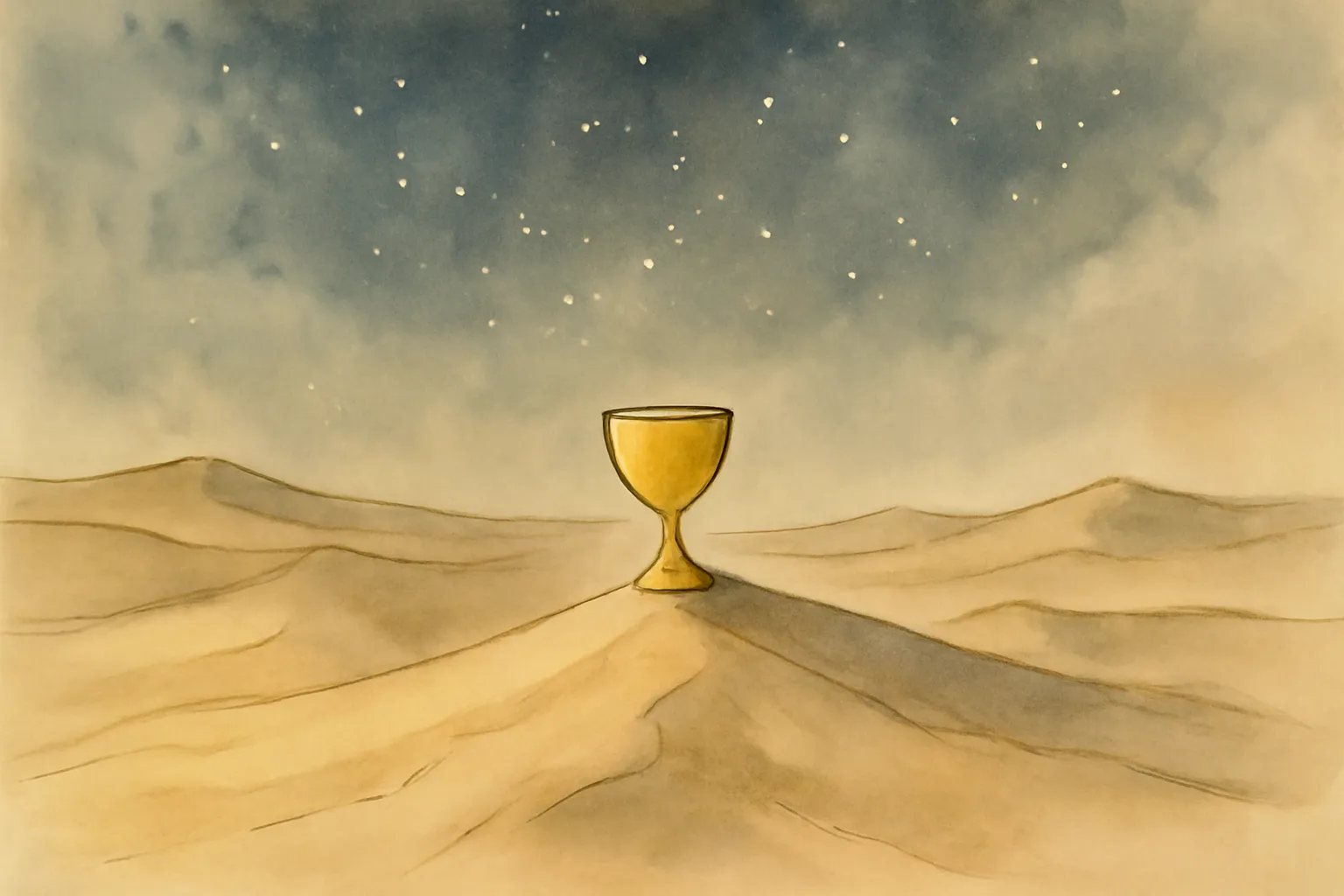
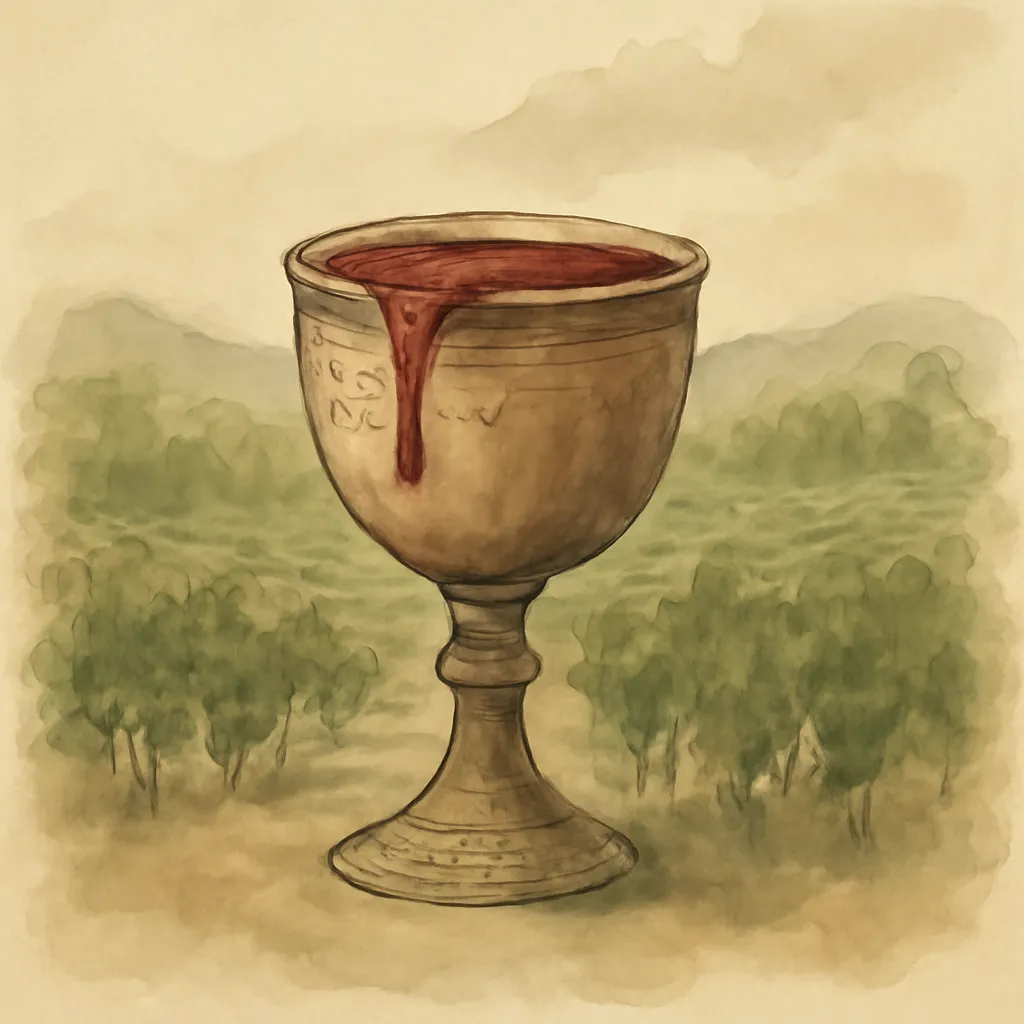
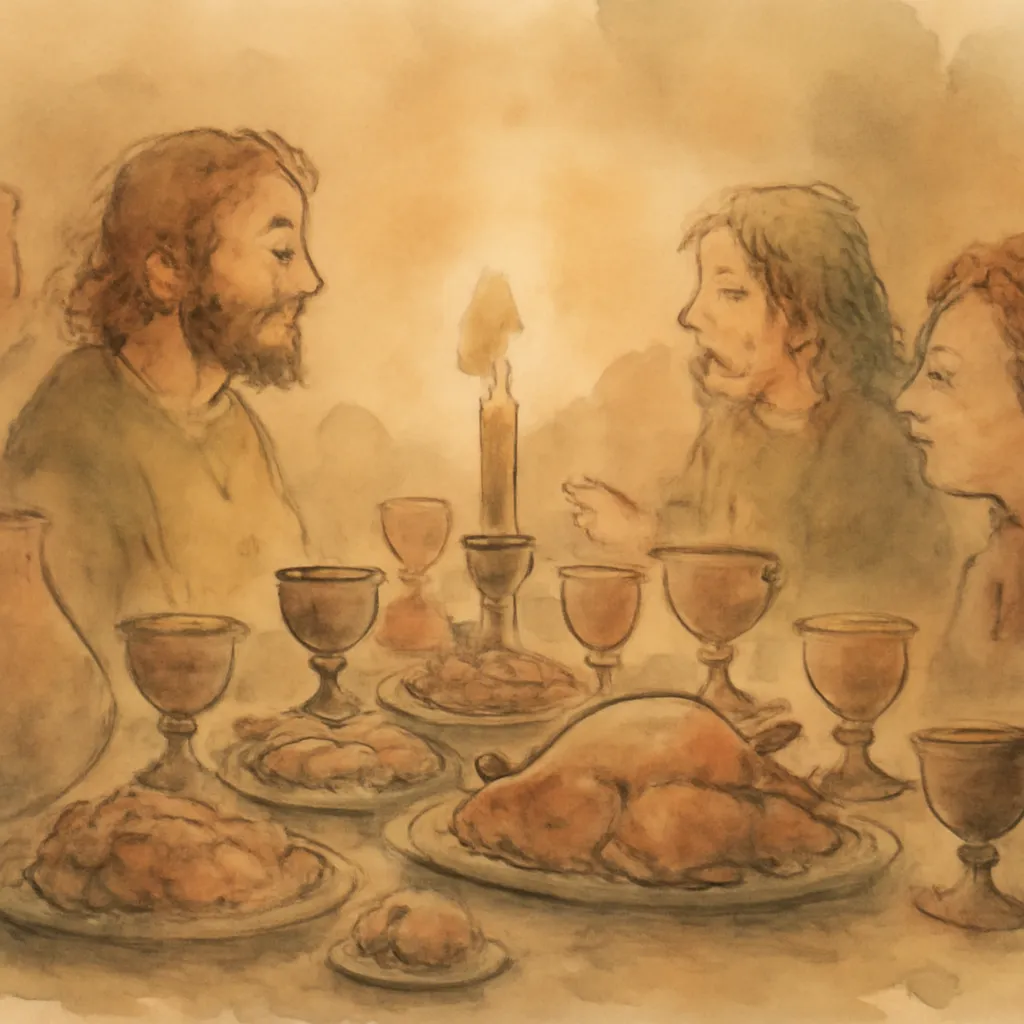
Khayyám's poetry frequently returns to the idea of celebrating life through pleasure and joy. In verses where he implores, 'Awake, my Little ones, and fill the Cup / Before Life's Liquor in its Cup be dry,' he suggests that life is like a cup filled with wine, symbolizing the richness of experiences and emotions. This metaphor encourages readers to indulge in the joys of life while they still can, as time is limited. By embracing the pleasures of existence, whether through friendship, love, or the beauty of nature, Khayyám advocates for a life lived fully and passionately.
3.The Inevitability of Mortality
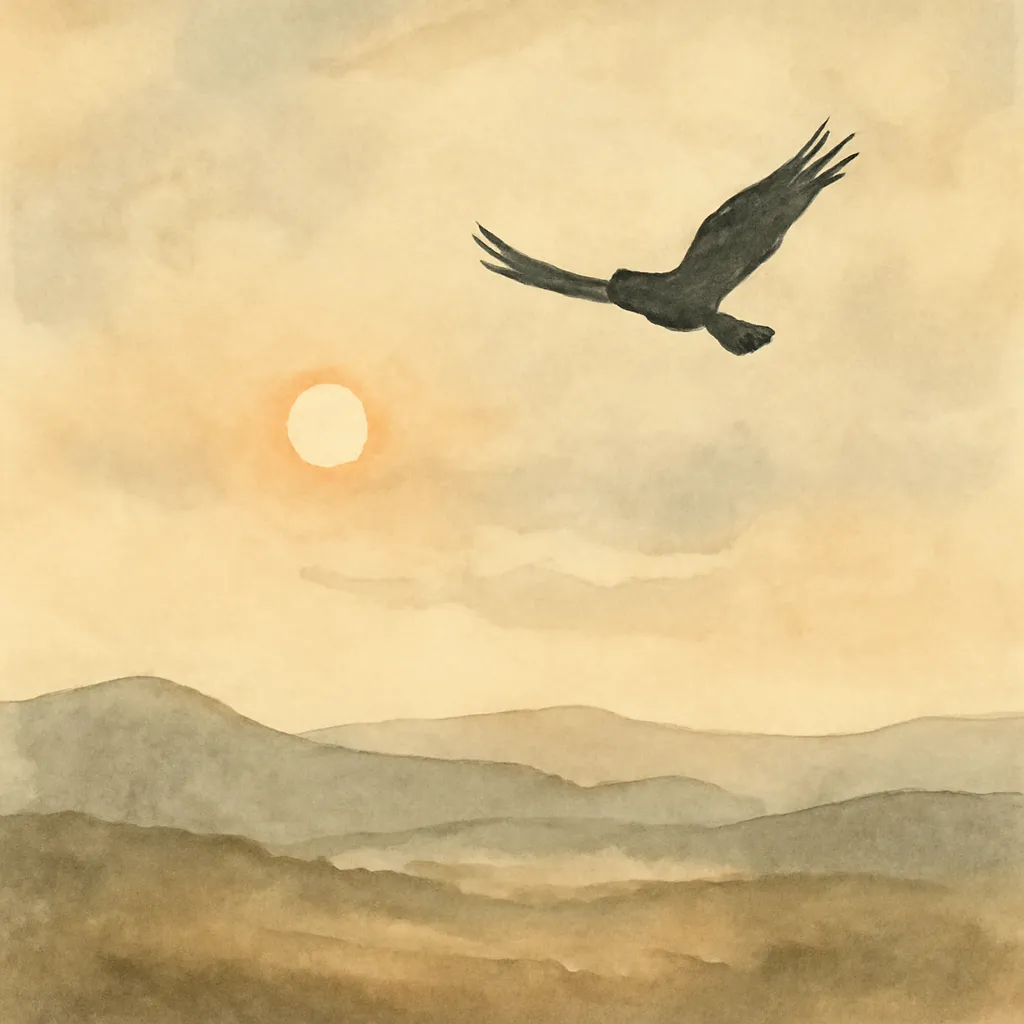
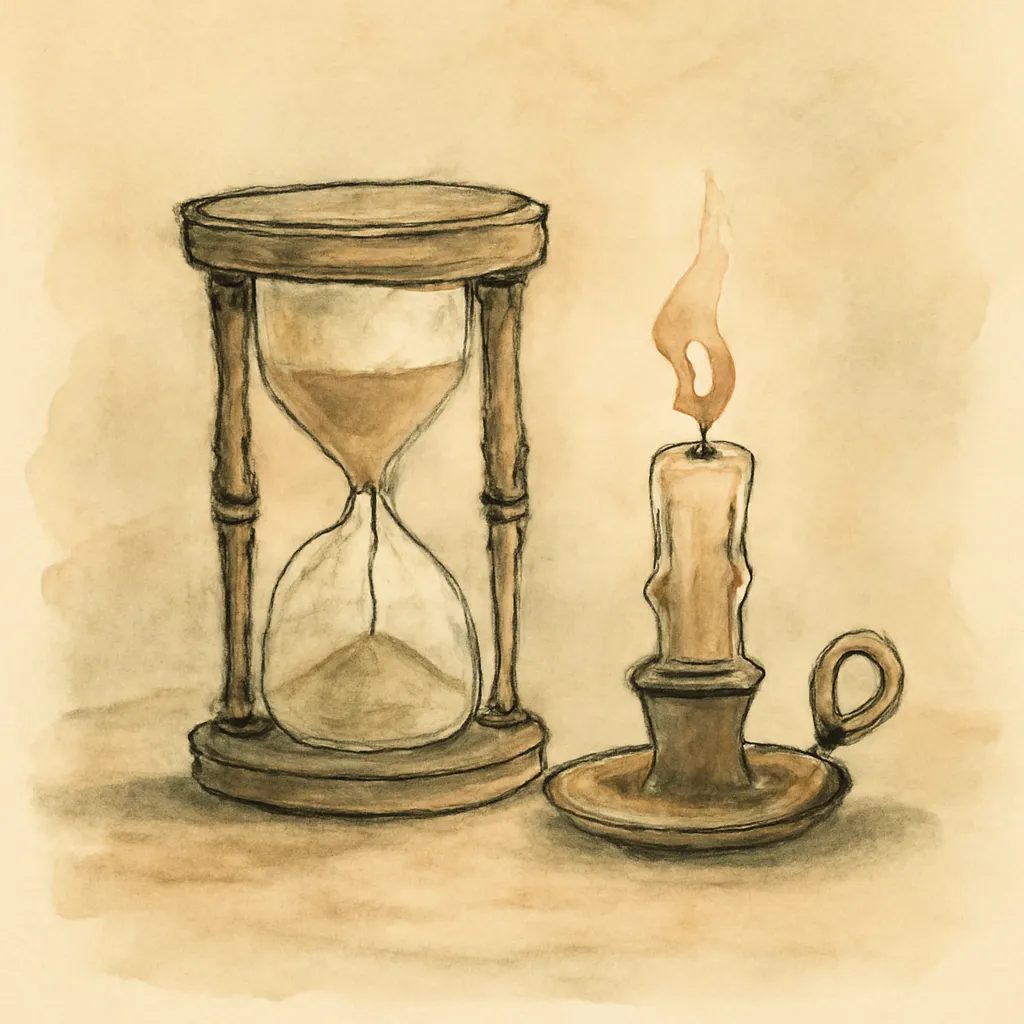
Mortality is a central theme in the Rubáiyát, reminding readers of the transient nature of life. Khayyám poignantly reflects, 'The Bird of Time has but a little way / To fly—and Lo! the Bird is on the Wing.' This metaphor illustrates the swift passage of time and the need to make the most of our fleeting existence. The poet encourages contemplation of death, not as something to fear, but as an integral part of life that adds urgency to our experiences. This acceptance of mortality allows for a deeper appreciation of life's moments, prompting readers to reflect on their own lives and the legacies they wish to leave behind.
4.The Search for Meaning
Throughout the Rubáiyát, Khayyám grapples with the search for meaning in a seemingly chaotic world. He muses on the enigma of fate and destiny, stating, 'But not the Master-knot of Human Fate.' This recognition of the mystery surrounding human existence highlights the limitations of human understanding. Khayyám's philosophical inquiry invites readers to question their own beliefs about life and the universe, pushing them to seek their own answers rather than accepting dogma. This quest for meaning is a universal human experience, resonating with anyone who has pondered their place in the cosmos.
5.The Nature of Divine Influence
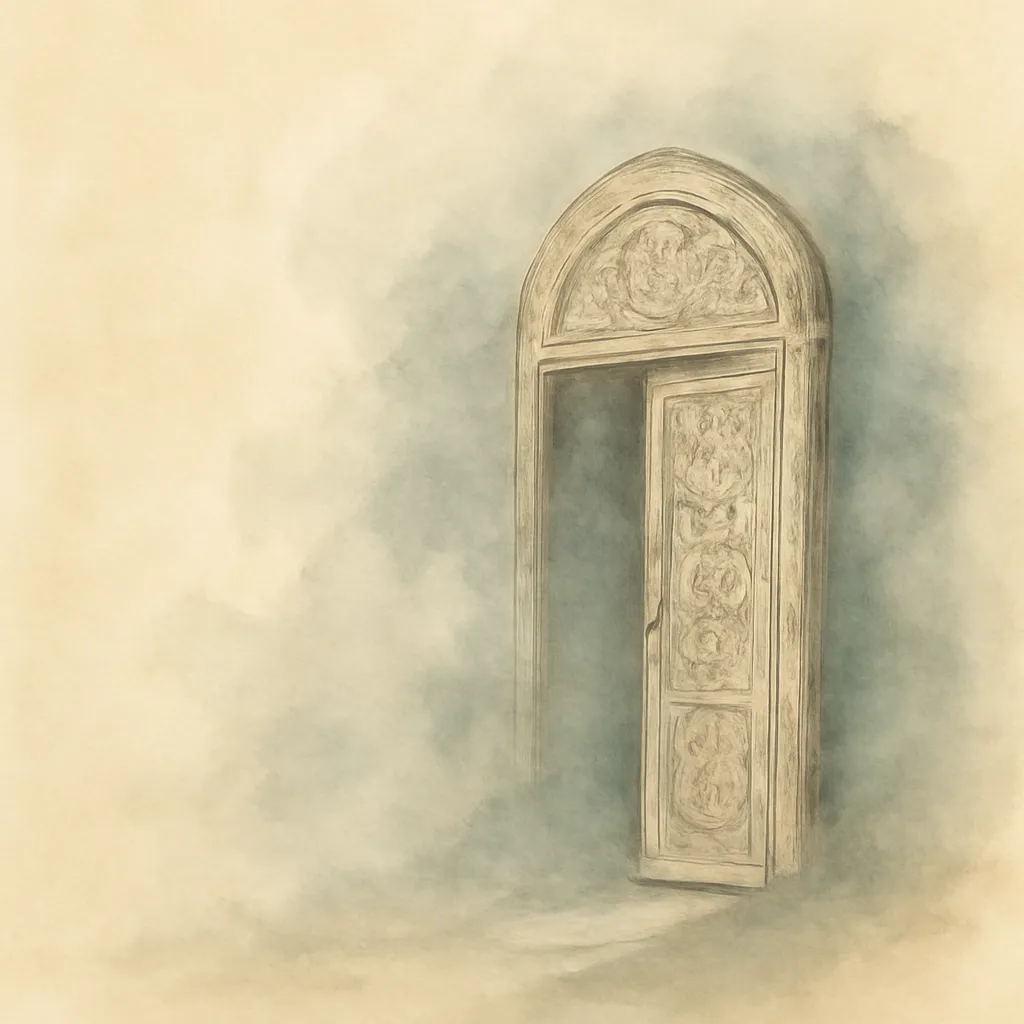
Khayyám's exploration of the divine is multifaceted, oscillating between reverence and skepticism. He acknowledges the complexity of the relationship between humanity and the divine, as illustrated in the verse, 'There was the Door to which I found no Key; / There was the Veil through which I might not see.' This imagery suggests a barrier to understanding the divine, reflecting the frustrations of those who seek answers to life’s fundamental questions. By recognizing the limitations of human perception, Khayyám encourages humility in the face of the divine, advocating for a personal exploration of spirituality rather than blind adherence to religious doctrines.
6.The Pot and the Potter: A Metaphor for Creation
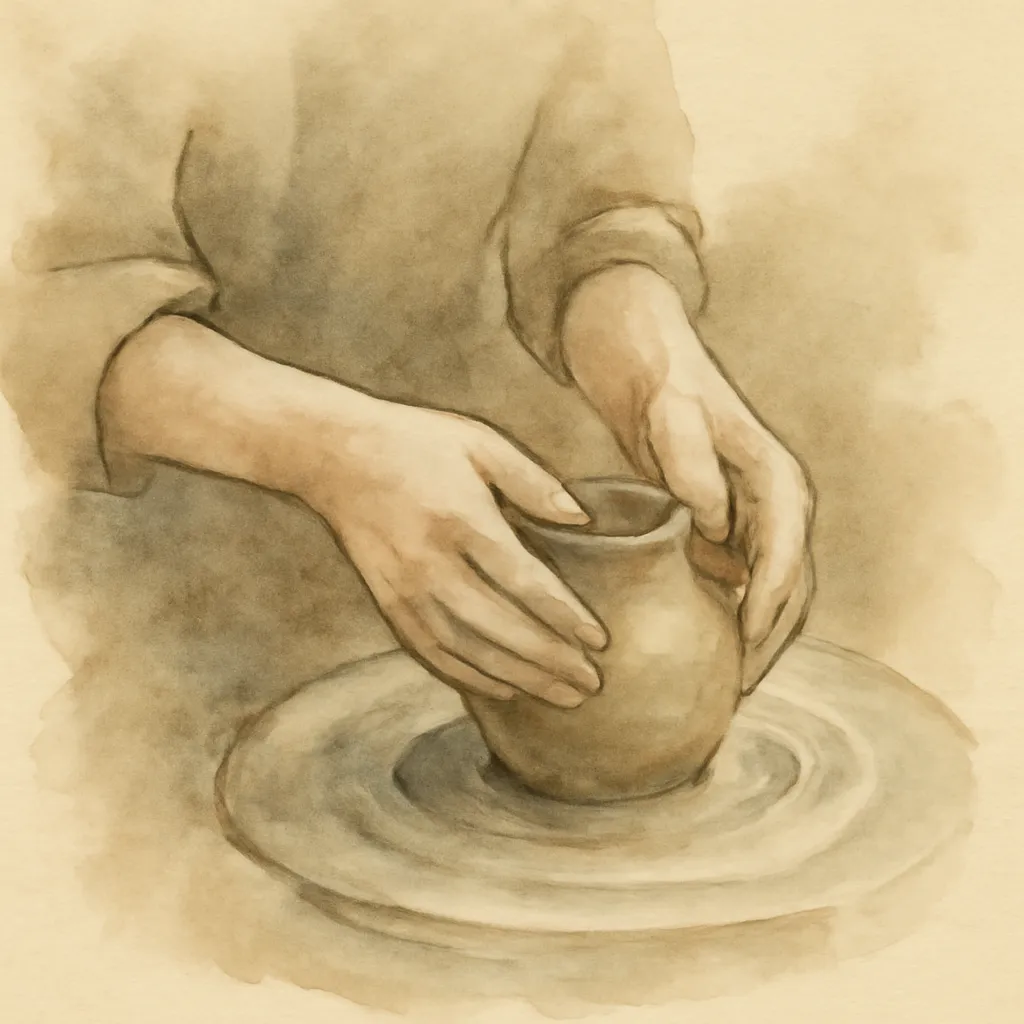
The relationship between the pot and the potter serves as a powerful metaphor for creation and existence in Khayyám's work. He muses about the nature of humanity as a creation of a divine artisan, suggesting that just as a potter shapes clay, so too does the divine mold human lives. This imagery raises profound questions about free will and determinism, prompting readers to consider how much control they truly have over their destinies. By examining this relationship, Khayyám invites reflection on the balance between the forces of fate and personal choice, encouraging a deeper understanding of one’s own life journey.
7.The Beauty of Nature as a Reflection of Life
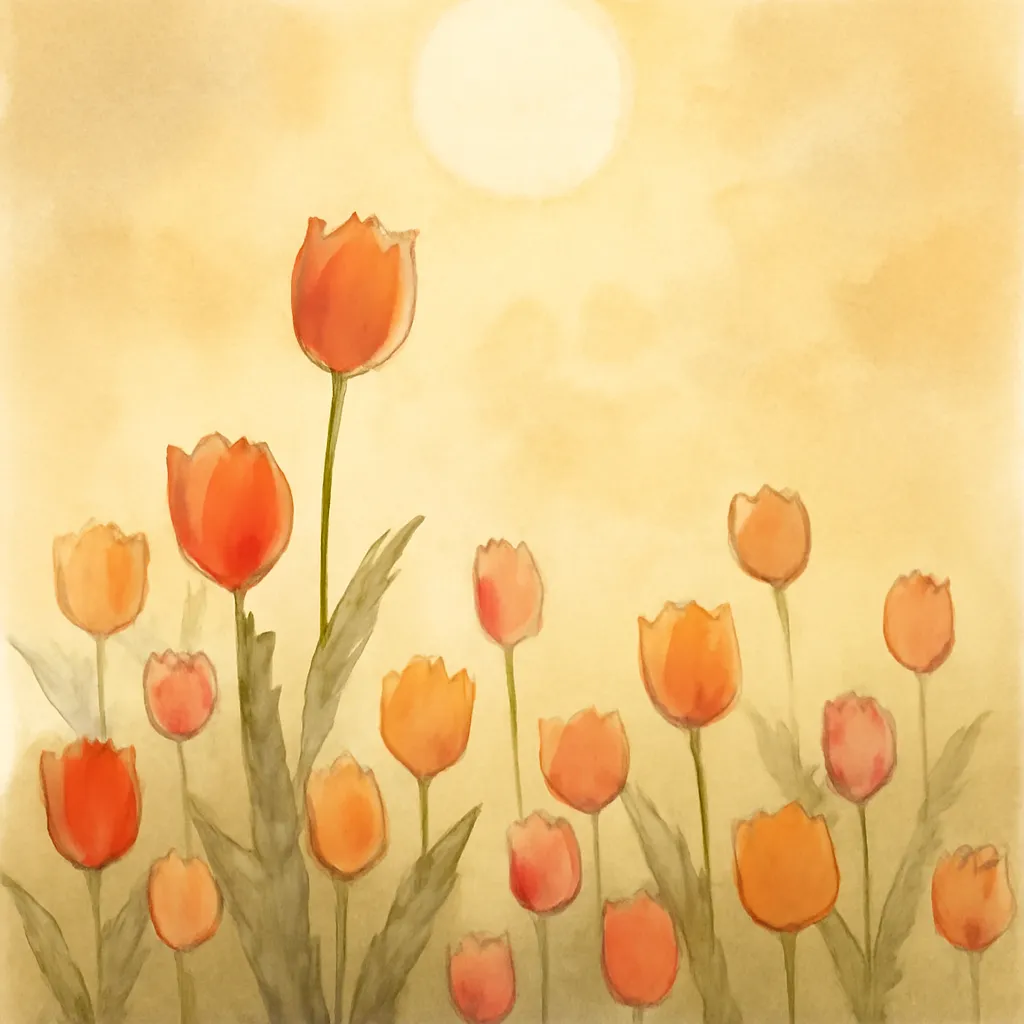
Nature plays a significant role in the Rubáiyát, with Khayyám often drawing parallels between the natural world and human experience. He beautifully describes the tulip looking up for its 'Heav'nly Vintage,' symbolizing the interconnectedness of life and the divine. This imagery underscores the idea that beauty is not only found in human experiences but also in the world around us. By celebrating nature, Khayyám encourages readers to find joy and inspiration in their surroundings, reinforcing the notion that life’s pleasures are abundant if one takes the time to notice them.
8.The Pursuit of Love
Love is a recurring theme in the Rubáiyát, with Khayyám emphasizing its importance in a fulfilling life. He reflects on the connection between lovers, suggesting that love transcends the physical realm and touches the divine. The poet's verses evoke the intensity of desire and the joy of companionship, urging readers to cherish their relationships. Through love, Khayyám highlights the significance of human connection, suggesting that it is one of the most profound experiences that enrich our lives. This pursuit of love, in all its forms, becomes a central aspect of the human experience that deserves to be celebrated.
9.The Illusion of Control
Khayyám poignantly addresses the illusion of human control over life and fate. In verses such as, 'Perplext no more with Human or Divine, / To-morrow's tangle to the winds resign,' he encourages readers to release their grasp on the complexities of life. This surrender to the uncertainties of existence allows for a more profound appreciation of the present moment. By acknowledging the limits of control, Khayyám advocates for a sense of acceptance, suggesting that peace can be found in letting go of the need to dictate every aspect of life. This notion resonates deeply in a world often characterized by stress and anxiety over the future.
10.The Celebration of the Present
Ultimately, the Rubáiyát serves as a celebration of the present moment. Khayyám’s repeated calls to 'Drink! —for, once dead, you never shall return' encapsulate the urgency of living fully in the now. This invitation to savor life’s experiences, whether through love, joy, or beauty, reinforces the idea that the present is where life truly unfolds. By focusing on the here and now, readers are encouraged to cultivate gratitude and mindfulness, finding fulfillment in the simplicity of everyday moments. This celebration of the present acts as a counterbalance to the existential musings on mortality and fate, creating a holistic view of life’s journey.