Philosophy · Short Reads
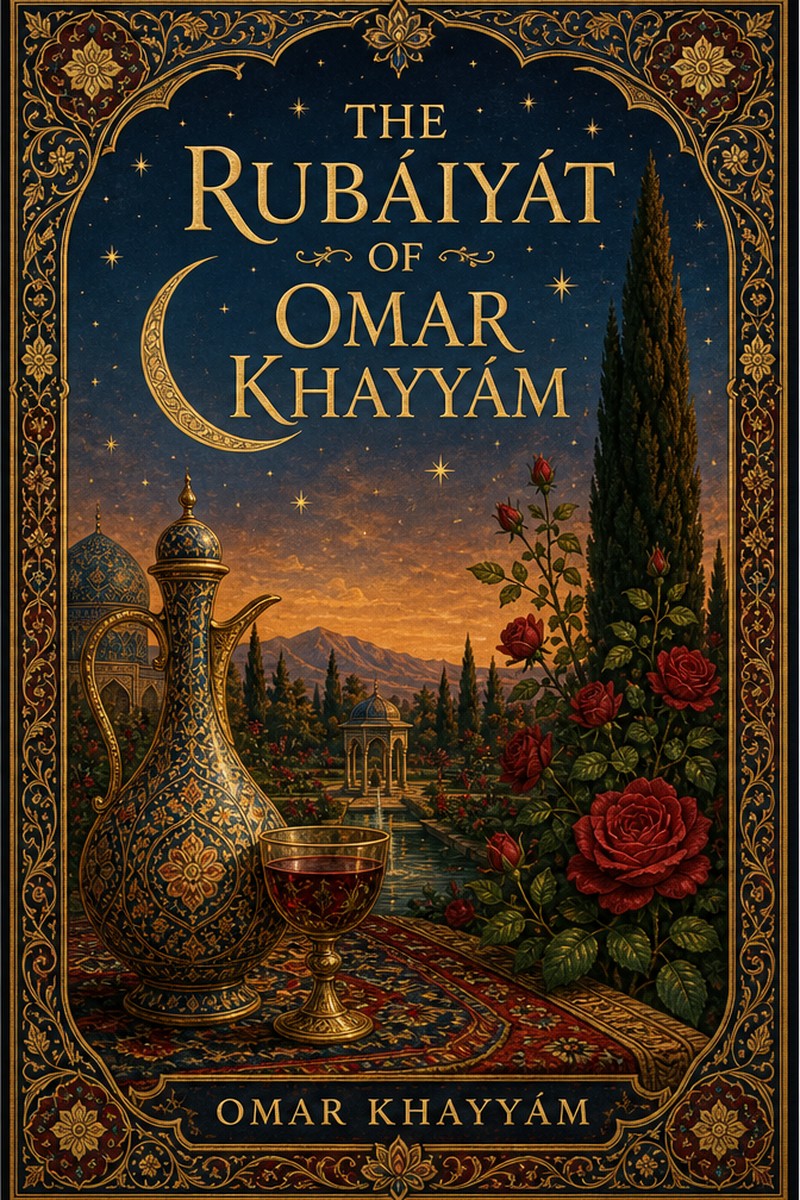
The Rubáiyát of Omar Khayyám by Omar Khayyám — Summary, Key Ideas & Full Text
37 pages4 chapters45 min read32 min speed read✦ 7-min Big ideasFree · no account
Rate it
The Rubáiyát of Omar Khayyám explores the transient nature of life, urging readers to embrace the moment and the pleasures it offers
The Rubáiyát of Omar Khayyám is a timeless collection of quatrains that delves into profound themes of existence, love, and the fleeting nature of life. Written by the Persian polymath Omar Khayyám, this work invites readers to contemplate the essence of their lives and the inevitability of death. Through vivid imagery and philosophical musings, Khayyám encourages a joyous embrace of the present, urging us to seek beauty in the world and indulge in its pleasures. This summary will unpack the rich layers of meaning within the verses, revealing the wisdom and insight that have captivated readers for centuries.
The Rubáiyát of Omar Khayyám remains a profound exploration of life’s transient beauty and the importance of embracing the present. Through vivid imagery and philosophical reflections, Khayyám invites readers to consider their relationship with existence, love, and the divine. The themes of mortality, joy, and the search for meaning resonate through the centuries, urging each generation to reflect on their own lives. As readers immerse themselves in Khayyám's verses, they are encouraged to find solace in the here and now, celebrating the moments that make life meaningful. This timeless work continues to inspire and provoke thought, reminding us that life, in all its complexities, is a precious gift to be cherished.
“Awake! for Morning in the Bowl of Night / Has flung the Stone that puts the Stars to Flight.”
“Awake, my Little ones, and fill the Cup / Before Life's Liquor in its Cup be dry.”
“The Bird of Time has but a little way / To fly—and Lo! the Bird is on the Wing.”
Read Omar Khayyám's work free on Lumina — the complete text plus an 8-minute summary and key ideas, no account needed