1.The Dashwood Sisters: A Study in Contrasts

Elinor and Marianne Dashwood represent two distinct approaches to life and love that frame the narrative of 'Sense and Sensibility.' Elinor, the elder sister, embodies sense, characterized by her rationality, emotional restraint, and practicality. In contrast, Marianne, the younger sister, epitomizes sensibility, displaying a passionate and impulsive nature. This dichotomy is not merely a character study; it reflects the broader societal expectations placed on women during the Regency era. Elinor's ability to navigate societal pressures while maintaining her integrity serves as a critique of the restrictive norms of her time. Marianne's emotional outbursts and romantic ideals reveal the dangers of unchecked sentimentality, highlighting the need for balance between emotion and reason. Their differing paths ultimately lead them to disparate outcomes in love, illustrating the complexities of human relationships. Marianne's initial romantic idealism leads her to a series of disappointments, while Elinor's measured approach ultimately guides her to a more stable and fulfilling relationship.
2.Social Class and Financial Insecurity
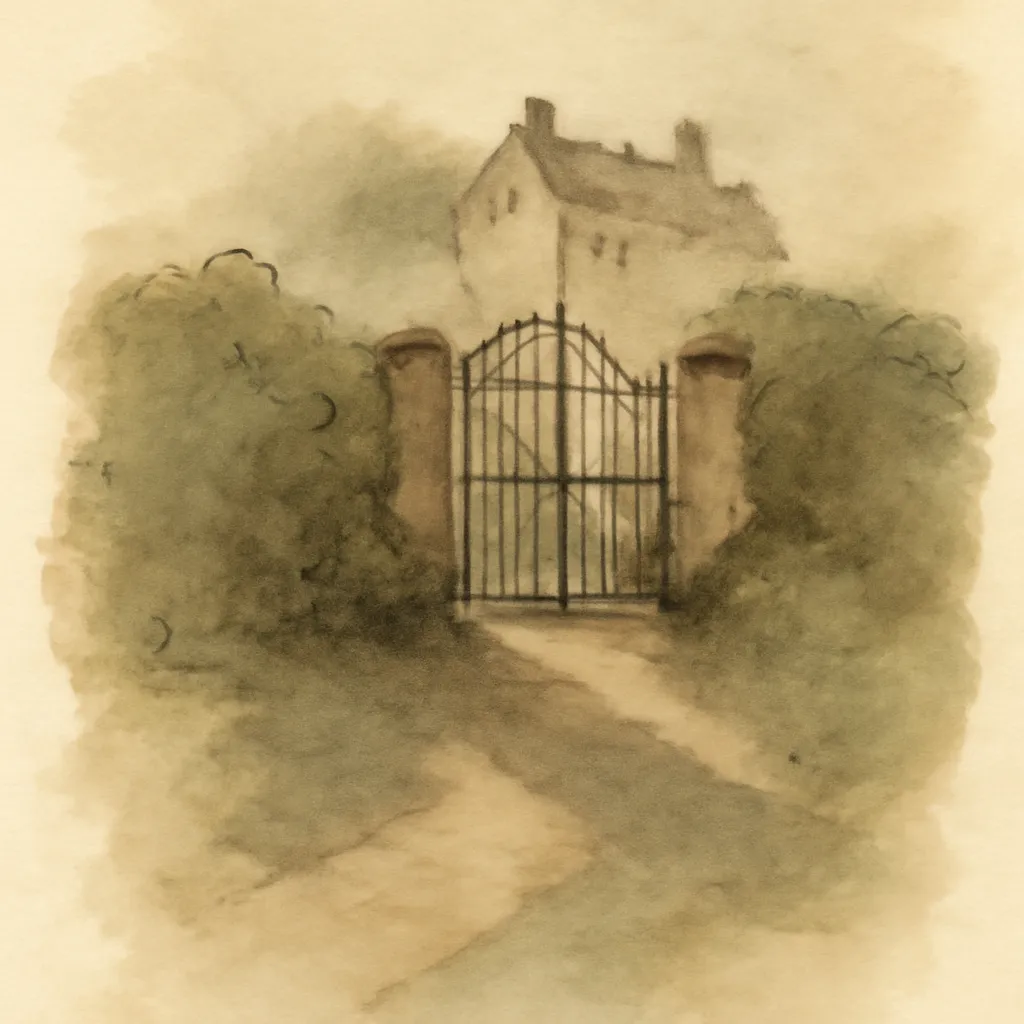
The novel opens with the Dashwood family's financial predicament following the death of Mr. Dashwood, which sets the stage for their struggles throughout the story. The inheritance laws of the time, which favor male heirs, leave Elinor and Marianne in a precarious position, dependent on the goodwill of their half-brother, John Dashwood, and his wife, Fanny. This financial insecurity profoundly impacts their prospects for marriage and happiness. The contrast between their modest means and the wealth of suitors like Mr. Willoughby and Colonel Brandon underscores the novel's critique of a society that equates wealth with worth. Austen deftly illustrates how economic considerations influence romantic choices and social interactions, raising questions about the true value of love in a world driven by financial necessity. The Dashwood sisters' plight becomes a lens through which the reader can examine the intersection of love, class, and morality. Their struggles serve as commentary on the limitations placed on women who lack financial independence, emphasizing the societal pressures that dictate their choices.
3.The Role of Marriage in Women's Lives
In 'Sense and Sensibility,' marriage is portrayed as both a social contract and a personal aspiration, deeply intertwined with a woman's identity and security. For Elinor and Marianne, marriage represents a potential escape from their financial woes, yet it also imposes societal expectations that dictate how they should behave and whom they should marry. Elinor's pragmatic approach to her feelings for Edward Ferrars reflects her understanding of the societal pressures surrounding marriage, as she grapples with the implications of her love for a man who is financially constrained by his family. Marianne's idealistic view of love leads her to pursue passion over practicality, culminating in a heart-wrenching disappointment. Through these experiences, Austen critiques the institution of marriage, exposing its complexities and the often harsh realities women faced in their pursuit of happiness within a patriarchal society. The differing outcomes for Elinor and Marianne in their romantic endeavors serve as a commentary on the necessity of aligning personal desires with social expectations.
4.Emotional Resilience and Personal Growth

The journey of Elinor and Marianne is not only about romantic entanglements but also about their personal growth and emotional resilience. Elinor's steadfastness in the face of disappointment and her ability to maintain composure amidst turmoil highlight her strength of character. Her emotional intelligence allows her to navigate the complexities of her relationships while remaining true to herself. Marianne, on the other hand, must confront the consequences of her unchecked emotions and romantic ideals. Her journey through heartbreak and disillusionment ultimately leads her to a more tempered understanding of love and relationships. This growth underscores a central theme of the novel: the importance of adaptability and emotional maturity in overcoming life's challenges. Austen suggests that true happiness comes from a balance of reason and emotion, as both sisters learn valuable lessons about love, loss, and self-discovery. Through their experiences, the Dashwood sisters illustrate how resilience can lead to personal transformation, enabling them to find contentment in their respective paths.
5.The Influence of Friendship and Community

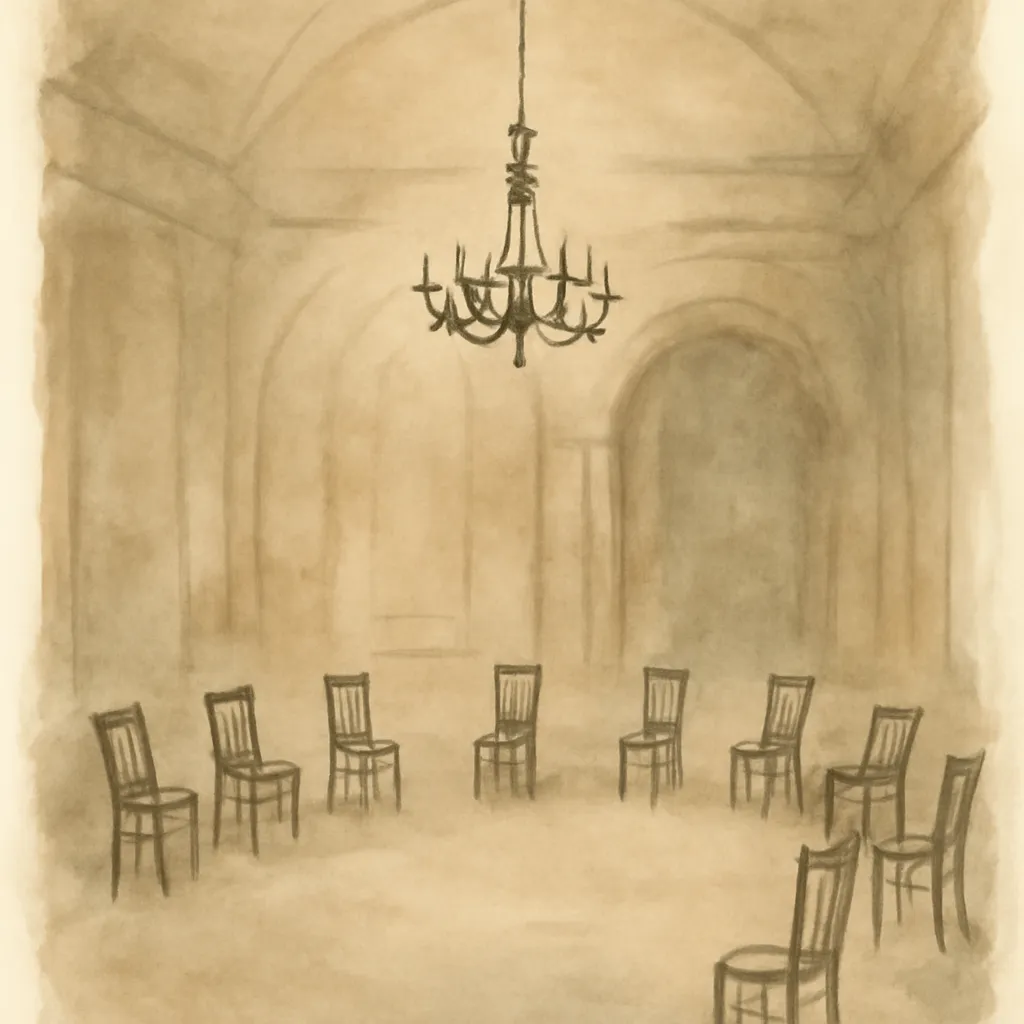
Austen emphasizes the importance of friendship and community throughout 'Sense and Sensibility.' The Dashwood sisters find solace and support in their relationships with each other and their friends, such as the Middletons and Mrs. Jennings. These connections provide a sense of belonging and comfort in the face of adversity. The novel also explores the role of social gatherings in fostering relationships and shaping perceptions. For instance, the private balls hosted by Sir John Middleton serve as both a means of socializing and a backdrop for romantic developments. The interactions between characters reveal the complexities of human relationships, illustrating how friendships can both uplift and complicate one’s life. Through the lens of community, Austen highlights the significance of interpersonal connections in navigating the challenges of love and societal expectations. The supportive dynamics between the characters reinforce the notion that friendship can serve as a refuge in times of distress, aiding them in their pursuit of happiness.
6.The Significance of Personal Integrity

Personal integrity emerges as a critical theme in 'Sense and Sensibility,' as characters grapple with their values and the expectations of society. Elinor's unwavering commitment to her principles, even when faced with temptation and disappointment, sets her apart as a moral compass in the narrative. She embodies the idea that true strength lies in adhering to one's values, regardless of external pressures. In contrast, Marianne's impulsive nature and initial disregard for societal norms lead her to experience significant emotional turmoil. Through their contrasting journeys, Austen underscores the importance of maintaining personal integrity in the pursuit of happiness. The characters’ choices ultimately reflect their moral convictions, revealing how integrity can shape one's path and impact relationships. Elinor's steadfastness in the face of societal expectations serves as a reminder that true fulfillment often comes from aligning one's actions with personal beliefs.
7.The Power of Communication and Misunderstanding

Communication, or the lack thereof, plays a pivotal role in the relationships depicted in 'Sense and Sensibility.' Misunderstandings and unspoken feelings create tension and conflict, particularly between Elinor and Edward, as well as between Marianne and Willoughby. Elinor's reticence to express her feelings leads to confusion and heartache, while Marianne's open expressions of affection leave her vulnerable to misinterpretation. Austen illustrates how effective communication can bridge gaps between individuals, while silence and ambiguity can lead to emotional distress. The novel ultimately suggests that clarity and honesty in relationships are essential for fostering understanding and connection. Through the characters’ trials, readers are reminded of the importance of expressing emotions and intentions openly to avoid the pitfalls of misunderstanding. The impact of communication dynamics among the characters deepens the exploration of human relationships, emphasizing the role of dialogue in establishing intimacy and resolving conflicts.
8.Nature as a Reflection of Emotion

Austen employs nature as a powerful motif throughout 'Sense and Sensibility,' using the landscape to reflect the characters' emotional states. The contrasting settings of Norland Park and Barton Cottage serve as significant backdrops for the sisters' experiences. Norland, with its grandeur and beauty, symbolizes the security and happiness the Dashwoods once enjoyed, while Barton represents their new, more modest existence, filled with uncertainty and emotional upheaval. The natural world mirrors the characters' inner lives, with stormy weather paralleling Marianne's tumultuous emotions and serene landscapes reflecting Elinor's calm demeanor. This connection between nature and emotion deepens the reader's understanding of the characters' experiences, illustrating how external environments influence internal feelings. Austen's vivid descriptions of the English countryside enhance the emotional resonance of the narrative, reinforcing the theme of nature as a reflection of human experience. The interplay between the characters and their surroundings allows readers to experience their joys and sorrows in a more visceral way, creating a rich tapestry of emotion throughout the novel.
9.The Role of Memory and Reflection

Memory and reflection are integral to the narrative structure of 'Sense and Sensibility,' shaping the characters' understanding of their past and influencing their present actions. The sisters often reminisce about their life at Norland, using these memories to navigate their current challenges. Elinor reflects on her relationship with Edward, contemplating the implications of their situation and the choices they must make. Marianne grapples with her feelings for Willoughby, allowing her memories of their time together to inform her emotional state, alternating between joy and despair. Austen highlights how the characters' memories inform their identities and relationships, emphasizing the importance of reflection in personal development. This theme resonates with readers, suggesting that understanding one’s past is essential for making informed choices about the future. The interplay of memory and reflection adds depth to the characters, allowing them to evolve and adapt in response to their experiences, reinforcing the idea that growth often stems from self-examination.



![Love and Freindship [sic] by Jane Austen — book cover](https://phjwossjnjjokynbvrst.supabase.co/storage/v1/object/public/books/covers/love-and-freindship-sic.jpg)