1.The Dashwood Sisters: A Study in Contrasts
Elinor and Marianne Dashwood represent two distinct approaches to life and love, encapsulated by the novel's title. Elinor embodies 'sense'—she is rational, composed, and practical, often prioritizing her family’s well-being over her own feelings. In contrast, Marianne exemplifies 'sensibility'—she is passionate, impulsive, and guided by her emotions, often expressing her feelings without restraint. Their differing temperaments lead to various challenges; Elinor's reserved nature complicates her relationship with Edward Ferrars, while Marianne's fervent affections for Willoughby ultimately lead to heartbreak. Through their experiences, Austen illustrates how both approaches have merits and pitfalls, highlighting the need for balance between emotion and reason in personal relationships.
2.Inheritance and Economic Security
The Dashwood sisters' plight is deeply tied to the inheritance laws of their time, which favor male heirs and leave women vulnerable. After the death of their father, the Dashwood sisters find themselves at the mercy of their half-brother, John Dashwood, who inherits Norland Park. His reluctance to provide for his half-sisters, prompted by his wife’s selfishness, underscores the precarious position of women who lack financial independence. The sisters' limited fortune shapes their romantic prospects and social standing, forcing them to navigate a world where marriage is often a woman’s only means of securing a stable future. Austen critiques the societal norms that dictate women’s lives, emphasizing the need for economic security and the freedom it provides in personal choices.
3.The Role of Social Class
Social class plays a pivotal role in 'Sense and Sensibility,' influencing characters' interactions and perceptions. The Dashwoods, once part of the gentry, experience a fall in status with their diminished fortune, altering how they are treated by others. Characters like Mrs. Jennings and Sir John Middleton, who represent the middle class, embody the social fluidity of the time, where wealth could elevate one's status regardless of birth. Marianne's relationship with Willoughby is initially idealized, yet it is complicated by his social standing and the expectations of wealth. Austen critiques the superficial judgments based on class and wealth, illustrating how genuine character and moral integrity should be valued over social rank.
4.The Perils of Romantic Idealism
Marianne's passionate nature leads her to romanticize love, viewing it as a grand, sweeping experience. Her infatuation with Willoughby reflects her belief in love's ability to transcend societal norms and expectations. However, her idealism blinds her to Willoughby's true character and intentions, resulting in profound heartbreak when he abandons her for a wealthier match. Austen uses Marianne's journey to highlight the dangers of viewing love through an unrealistic lens, urging readers to recognize the complexities of human relationships. The contrast between Marianne's ideals and Elinor's more pragmatic approach serves as a cautionary tale about the necessity of tempering passion with discernment.
5.Elinor's Quiet Strength
Elinor Dashwood's character exemplifies resilience and strength in the face of adversity. Despite her own feelings for Edward Ferrars and the emotional turmoil of her family's situation, Elinor remains composed and supportive of her mother and sister. Her ability to prioritize her family's needs over her desires showcases her selflessness and maturity. Elinor's internal struggles with her feelings for Edward, who is engaged to another, add depth to her character, as she grapples with duty and personal happiness. Austen portrays Elinor as a model of strength, suggesting that true fortitude often lies in quiet endurance rather than overt displays of emotion.
6.The Consequences of Deception
Deception emerges as a recurring theme in 'Sense and Sensibility,' affecting relationships and personal integrity. Willoughby deceives both Marianne and himself, initially presenting a charming facade while concealing his true motivations. His betrayal not only devastates Marianne but also reveals the fragility of trust in romantic relationships. Edward Ferrars, too, is caught in a web of deception, bound by his engagement to Lucy Steele, which complicates his feelings for Elinor. Austen critiques the moral implications of deceit, suggesting that honesty is essential for genuine relationships. The consequences of deception serve as a reminder of the importance of transparency and integrity in love and friendship.
7.Friendship and Support Systems
The relationships between the sisters and their friends reveal the significance of friendship as a support system during challenging times. Throughout the novel, Elinor and Marianne rely on each other, offering comfort and understanding as they navigate their respective romantic trials. Additionally, characters like Colonel Brandon and Mrs. Jennings provide further support, illustrating how friendships can enrich lives and provide solace. The camaraderie among women, particularly, highlights the importance of solidarity in a patriarchal society. Austen emphasizes that while romantic love is vital, the bonds of friendship and familial loyalty are equally crucial in fostering resilience and joy.
8.Nature as a Reflection of Emotion
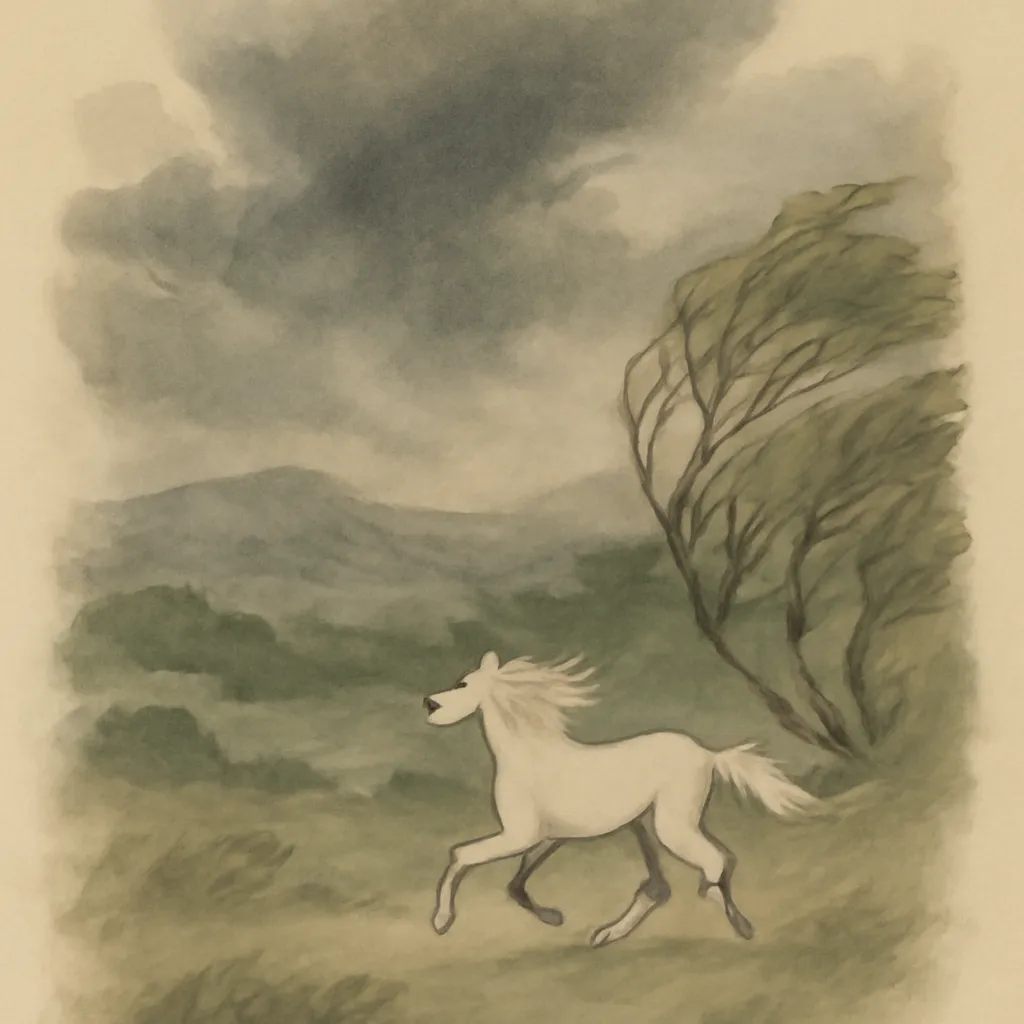
Austen often uses nature as a backdrop to reflect the emotional states of her characters, employing vivid descriptions of the English countryside to enhance the narrative. The beauty of Barton Valley, where the Dashwoods settle, contrasts with the turmoil of their lives, symbolizing hope and renewal. Marianne’s affinity for nature parallels her emotional intensity; her passionate outbursts are often set against the backdrop of blooming flowers and dramatic landscapes. In contrast, Elinor’s more subdued nature is reflected in the calmness of her surroundings. Through this interplay between nature and emotion, Austen deepens the reader's understanding of her characters' inner lives, suggesting that nature serves as both a refuge and a mirror for human experience.
9.The Journey of Self-Discovery
The narrative arc of 'Sense and Sensibility' is also one of self-discovery, particularly for Marianne. Initially, she is ruled by her emotions, but her experiences lead her to a greater understanding of herself and the nature of love. After her heartbreak with Willoughby, Marianne undergoes a transformation, learning to temper her passions with practicality. Elinor, too, experiences growth as she learns to navigate her feelings for Edward while maintaining her composure. Austen illustrates that self-awareness is crucial for personal growth, suggesting that the journey to understand oneself is as important as the pursuit of romantic love. The sisters' evolution emphasizes the importance of maturity and emotional intelligence in achieving happiness.








![Love and Freindship [sic] by Jane Austen — book cover](https://phjwossjnjjokynbvrst.supabase.co/storage/v1/object/public/books/covers/love-and-freindship-sic.jpg)