1.The Weight of Individuality
McAllister asserts that true individuality is key to capturing attention in memoirs. He emphasizes that it's not enough to simply possess a unique personality; one must express it effectively in writing to achieve lasting recognition. This idea is rooted in his belief that memorable writing stems from the ability to evoke emotion and connect with readers. He reflects on his own family background, particularly his mother, whose beauty and charitable nature left an indelible mark on his identity. McAllister describes her as an 'angel of beauty and charity,' embodying the ideals of compassion and elegance, which shaped his understanding of social values. The connection between individuality and legacy sets the tone for his reflections on society and personal interactions, reminding readers that one's mark on the world can be cemented through both personal virtue and social expression.
2.The Allure of New York Society
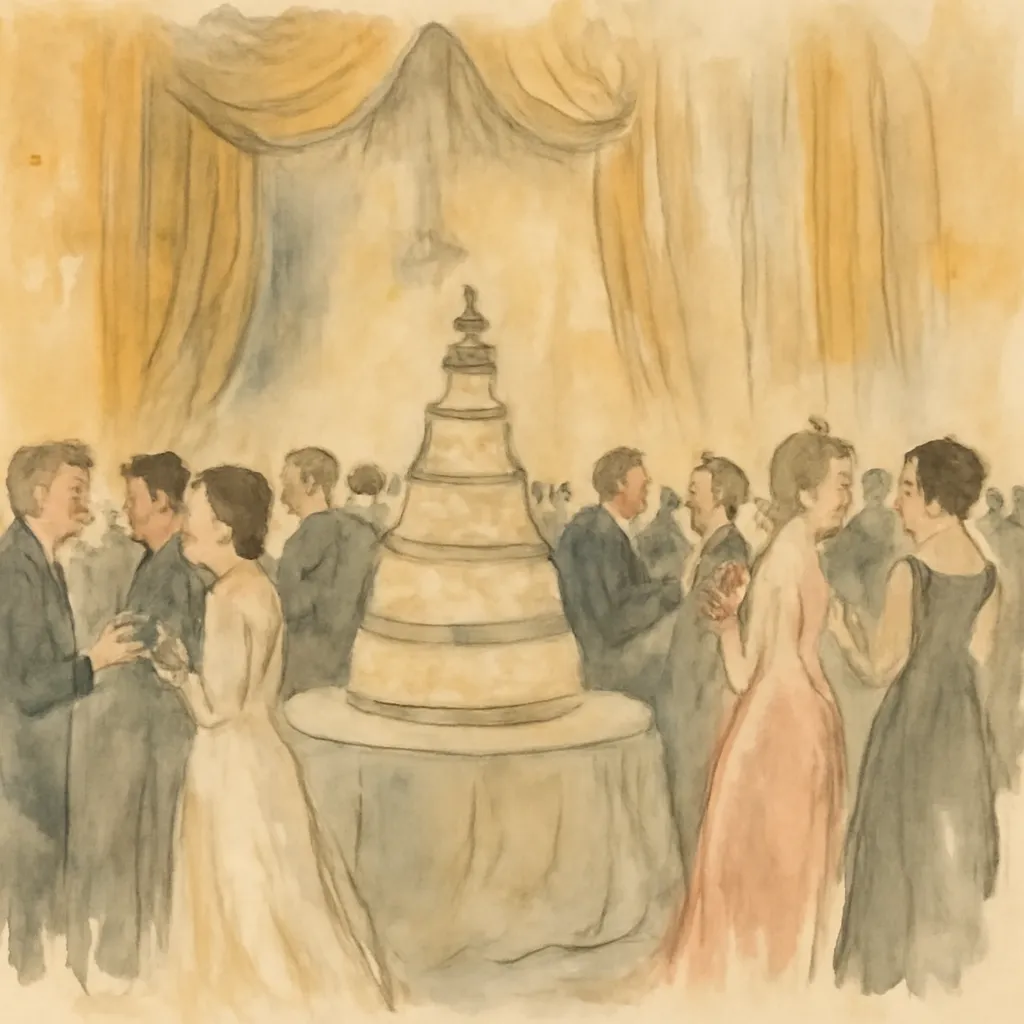
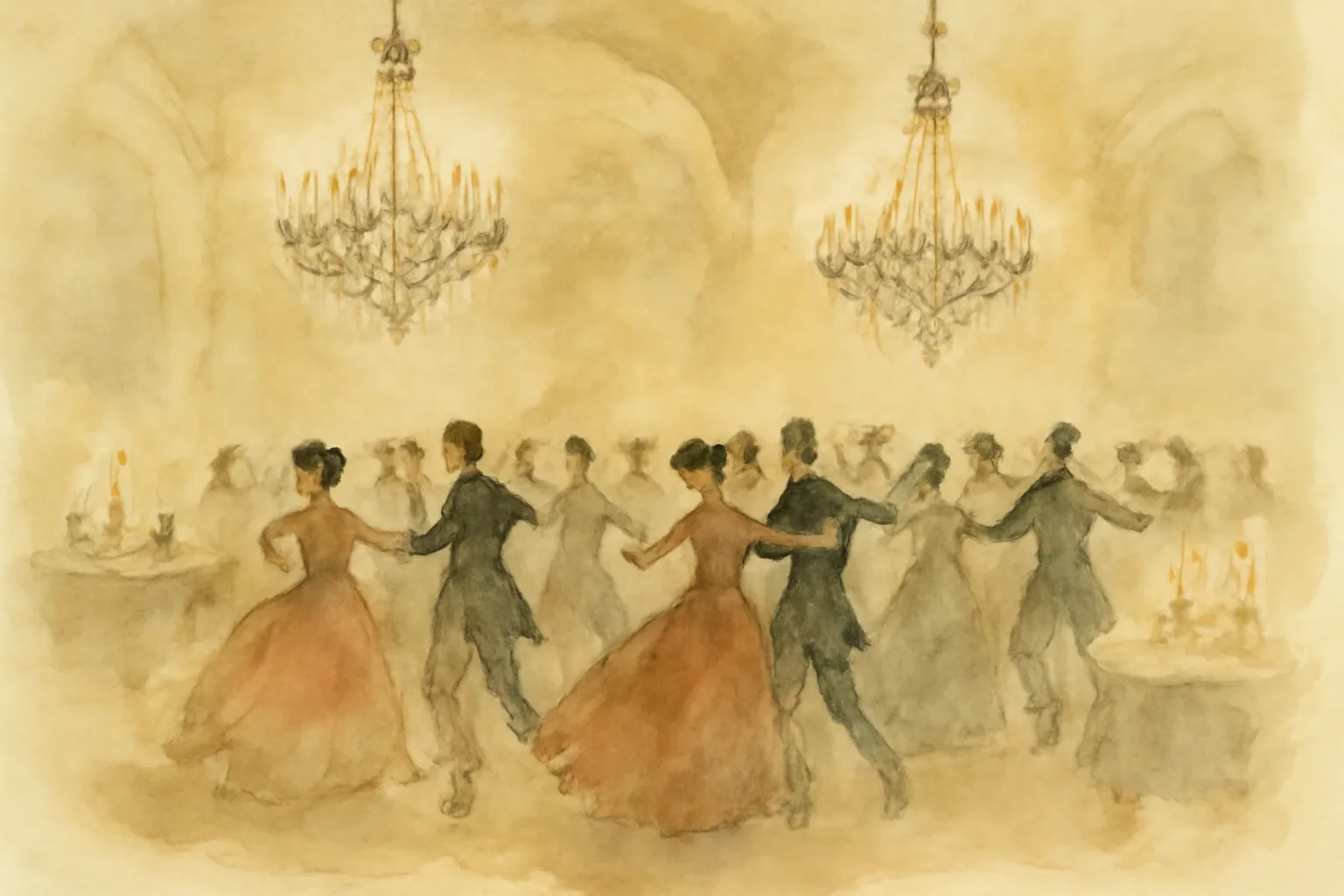
McAllister paints a vivid picture of his early years in New York, highlighting the allure and extravagance of high society. His experiences at fancy balls, such as the one hosted by Mrs. John C. Stevens, reveal the lengths to which individuals would go to impress and entertain. Spending a thousand dollars on a costume, he showcases the obsession with appearances and the social currency attached to wealth and fashion. The extravagant attention to detail at such events was not merely for show; it served as a stage for social positioning. He recalls the elaborate preparations for these gatherings, where even the presence of soldiers was required to perfect the floor for dancing. His anecdotes about dancing and social faux pas illustrate the competitive spirit that characterized social gatherings, where reputation was paramount and every misstep could lead to scandal. This environment fostered a culture of both creativity and anxiety, where one's identity was often tied to social success.
3.The Role of Women in Society
Throughout the narrative, McAllister underscores the significant role women played in shaping social dynamics. His admiration for strong female figures, such as his mother and prominent society hostesses, highlights their influence in a male-dominated world. Women were not only the recipients of social gestures but also key players in orchestrating events and maintaining social order. McAllister recalls women elbowing their way through royal events or captivating men with their charm, illustrating their active participation in the social fabric. He also notes the societal expectations placed on women, who were expected to embody grace and poise while navigating the complexities of social encounters. This duality of being both revered and constrained reflects the broader theme of women's agency within societal limitations, showcasing their critical role in defining the cultural landscape of the time.
4.A Glimpse into European Aristocracy
McAllister's experiences in Europe provide a fascinating contrast to American society. His forays into London and Florence expose him to the customs and extravagances of European aristocracy, where the lines between privilege and performance blur. From witnessing a dog fight in the suburbs to attending balls with royalty, he captures the essence of high society across the Atlantic. These excursions reveal a world steeped in tradition and formality, where social hierarchies were rigidly enforced. He reflects on a dinner with the chef of Windsor Castle, where the culinary arts were elevated to a form of cultural expression, contrasting sharply with the more improvisational nature of American entertaining. Through these experiences, McAllister critiques American society, noting both similarities and differences, particularly in attitudes towards wealth and status. His time spent in Europe ultimately influences his understanding of social structures and the behaviors that define them, providing readers with insights into the transatlantic exchange of social customs.
5.The Art of Entertaining

A significant portion of McAllister's memoir revolves around the nuances of entertaining and the expectations that come with it. He provides insights into the meticulous planning that goes into hosting dinners and balls, emphasizing the importance of food, ambiance, and guest selection. His experiences with chefs and culinary delights reveal how dining became an art form in itself, with the success of an event often hinging on the quality of the meal served. McAllister meticulously details the progression of a perfect dinner, from the selection of wines to the arrangement of the dining space, illustrating how these elements contribute to the overall experience. The pressure to impress and the desire for social validation drive hosts to create unforgettable experiences, reflecting deeper societal values related to status and success. The way he navigates culinary expectations shows that entertaining is not just about hospitality; it's about crafting an image and solidifying one's place within the social hierarchy.
6.Navigating Social Hierarchies
McAllister illustrates the complex social hierarchies that dictated interactions among the elite. He recounts his encounters with figures such as Commodore Vanderbilt and Lord Frederick Cavendish, highlighting the delicate dance of networking and reputation management. The importance of knowing one's place within these hierarchies becomes evident as he navigates friendships and rivalries alike. He details the expectations surrounding invitations, seating arrangements, and even dress codes, all of which serve to maintain a facade of propriety and order. His reflections on the dynamics of power, influence, and social capital underscore the often unspoken rules that governed interactions among the wealthy and well-connected. He illustrates how one's social standing could be both reinforced and challenged through these interactions, creating an intricate web of relationships that defined the social landscape of the time.
7.The Influence of American Culture
As a keen observer of cultural trends, McAllister reflects on how American society was evolving during his lifetime. He notes the transition from European influences to a uniquely American identity, particularly in the realms of entertainment and social customs. His experiences at Newport and other fashionable locales reveal a growing sense of American exceptionalism, where the nouveau riche sought to establish their own standards of elegance and sophistication. McAllister contrasts this with his experiences in Europe, where traditions were deeply rooted and change was often slow. He captures the excitement and energy of a rapidly developing society eager to carve out its own identity. This cultural shift is not merely a backdrop; it is a driving force that shapes interactions, aspirations, and the very fabric of social life.
8.The Impact of Wealth on Identity
Wealth plays a central role in McAllister's narrative, shaping not only the lives of individuals but also the fabric of society itself. He explores the ways in which affluence can both elevate and isolate, creating a complex relationship with personal identity. Through anecdotes about his upbringing and connections, McAllister reveals the burdens that accompany wealth, including the constant pressure to conform to societal expectations and the pursuit of validation. He reflects on how wealth can lead to profound loneliness, as social connections often become transactional rather than genuine. This theme highlights the paradox of wealth as both a facilitator of social mobility and a source of anxiety within the upper echelons of society, prompting readers to consider the true cost of social success.
9.The Legacy of Social Events
McAllister's accounts of various social events, such as the grand balls and intimate dinners, reveal their lasting impact on individual legacies and societal memory. He emphasizes how these gatherings served as stages for individuals to showcase their status, talents, and connections. The stories he shares about the intricacies of planning these events, from menu choices to guest lists, underscore their importance in shaping public perception and personal reputation. Each event becomes a narrative thread in the larger tapestry of social history, illustrating how personal stories interweave with collective experiences. McAllister's reflections remind readers that social events are not mere trifles but crucial moments that define and solidify one's legacy in the annals of society.
10.Reflections on Change and Continuity
As McAllister recounts his experiences, he reflects on the changes in society over time, noting both progress and stagnation. The evolution of social norms, particularly regarding gender roles and class distinctions, emerges as a key theme in his narrative. While he celebrates the vibrancy of his era's social life, he criticizes the rigid structures that persist. He acknowledges that while some boundaries have shifted, others remain stubbornly unchanged, reflecting a cyclical nature in social dynamics. His observations serve as a reminder that society is in constant flux, grappling with issues of identity, belonging, and power while navigating the delicate interplay of old traditions and new beginnings. McAllister's insights invite readers to consider how enduring traits of society continue to shape contemporary interactions.