

Explore the vibrant tapestry of 19th-century American high society through the eyes of a man who danced, dined, and debated his way to prominence
Read full overviewShow less›
In 'Society as I Have Found It,' Ward McAllister offers a candid and colorful account of his experiences within the upper echelons of American society during the 19th century. Through a series of vivid anecdotes, he shares insights into the customs, characters, and events that defined social life in New York, London, and other fashionable locales. Readers will encounter a blend of humor, critique, and nostalgia as McAllister navigates the complexities of wealth, status, and the art of entertaining. This book serves as both a personal memoir and a social commentary, inviting readers to reflect on the nature of society and the role of individuals within it. By the end, one gains not only a historical perspective but also an appreciation for the enduring influence of social dynamics on personal identity and community.
Ward McAllister's 'Society as I Have Found It' serves as both a personal memoir and a critical examination of the social landscape of the 19th century. Through his rich anecdotes and thoughtful reflections, McAllister invites readers to consider the complexities of identity, wealth, and social dynamics. His insights into the customs and behaviors of the elite reveal a world driven by reputation and the desire for validation, while also highlighting the enduring influence of cultural and societal norms. Ultimately, the book captures the essence of a bygone era, offering valuable lessons on the nature of society that remain relevant today.
- 1The Weight of Individuality
- 2The Allure of New York Society
- 3The Role of Women in Society
- 4A Glimpse into European Aristocracy
- 5The Art of Entertaining
Notable quotes
“To say that the one thing needful is individuality, is not quite enough.”
“I thank ye, Lord, we’ve had enough.”
“As to the poor, I have always treated them as my brethren.”
A glimpse inside

McAllister asserts that true individuality is key to capturing attention in memoirs. He emphasizes that it's not enough to simply possess a unique personality; one must e… Read moreMcAllister asserts that true individuality is key to capturing attention in memoirs. He emphasizes that it's not enough to simply possess a unique personality; one must express it effectively in writing to achieve lasting recognition. This idea is rooted in his belief that memorable writing stems from the ability to evoke emotion and connect with readers. He reflects on his own family background, particularly his mother, whose beauty and charitable nature left an indelible mark on his identity. McAllister describes her as an 'angel of beauty and charity,' embodying the ideals of compassion and elegance, which shaped his understanding of social values. The connection between individuality and legacy sets the tone for his reflections on society and personal interactions, reminding readers that one's mark on the world can be cemented through both personal virtue and social expression. Show less
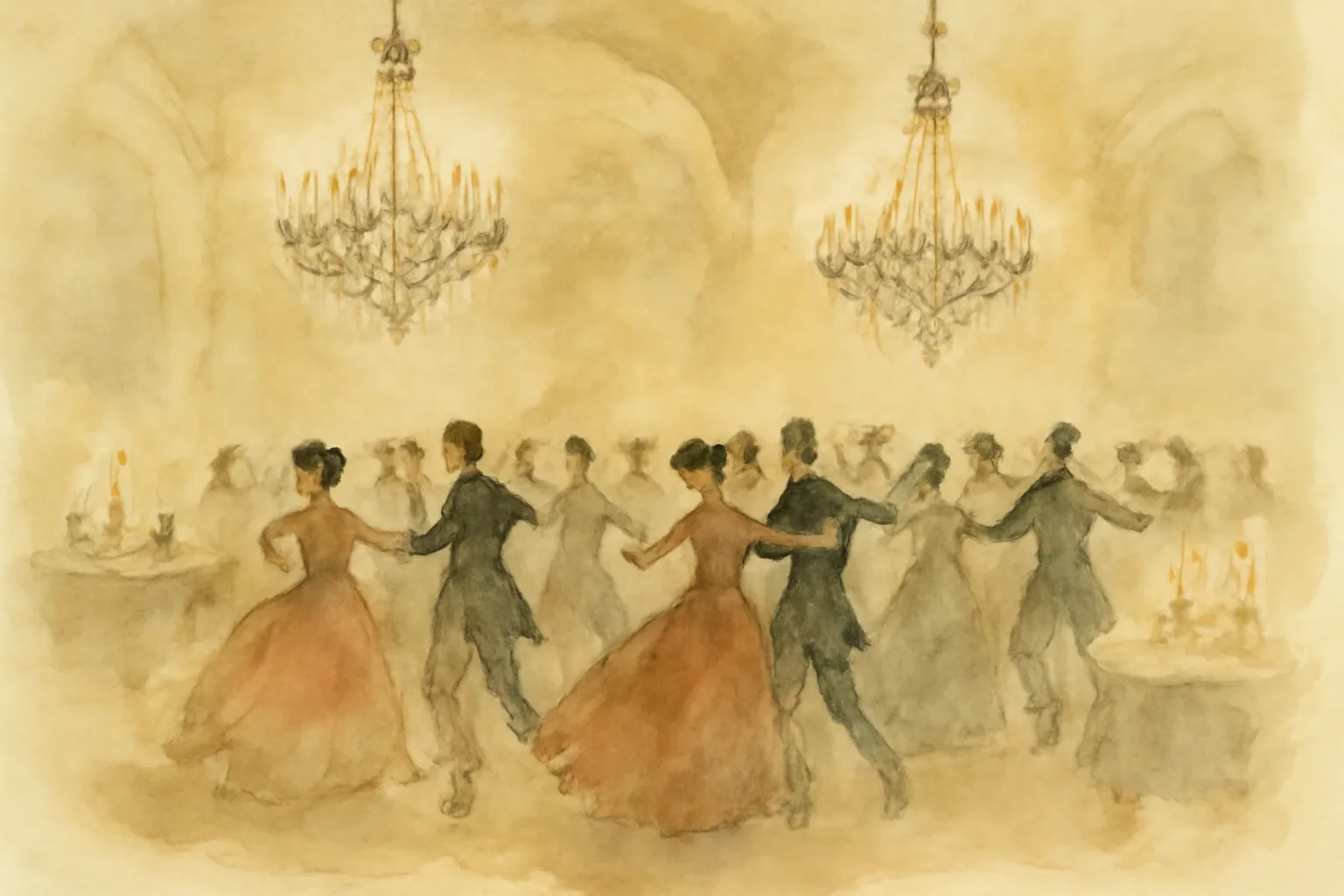
McAllister paints a vivid picture of his early years in New York, highlighting the allure and extravagance of high society. Read moreMcAllister paints a vivid picture of his early years in New York, highlighting the allure and extravagance of high society. His experiences at fancy balls, such as the one hosted by Mrs. John C. Stevens, reveal the lengths to which individuals would go to impress and entertain. Spending a thousand dollars on a costume, he showcases the obsession with appearances and the social currency attached to wealth and fashion. The extravagant attention to detail at such events was not merely for show; it served as a stage for social positioning. He recalls the elaborate preparations for these gatherings, where even the presence of soldiers was required to perfect the floor for dancing. His anecdotes about dancing and social faux pas illustrate the competitive spirit that characterized social gatherings, where reputation was paramount and every misstep could lead to scandal. This environment fostered a culture of both creativity and anxiety, where one's identity was often tied to social success. Show less
Read the full text — free
About the author
Read Ward McAllister's work free on Lumina — the complete text plus an 8-minute summary and key ideas, no account needed