1.Stoicism’s Historical Foundations
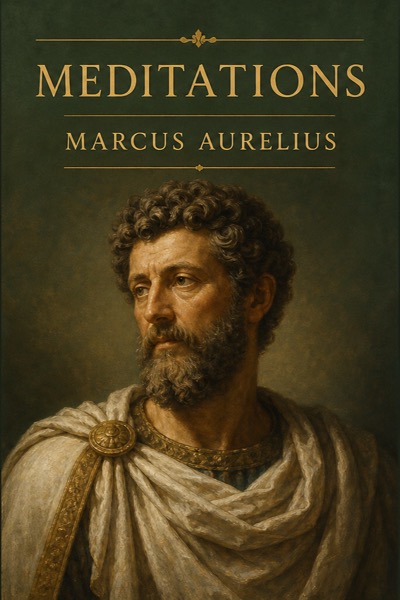
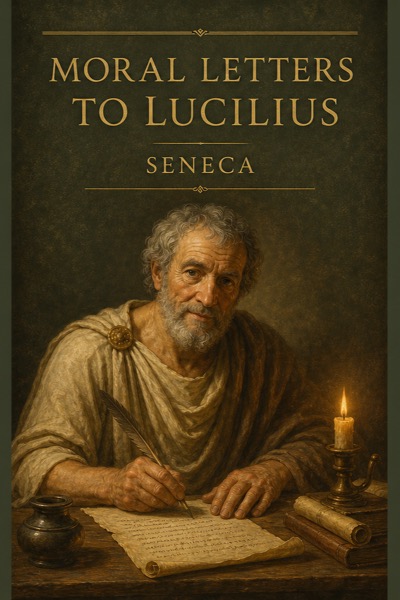
Sellars begins by situating Stoicism in its ancient context, tracing its origins in Athens and its development through key figures like Zeno, Chrysippus, Seneca, Epictetus, and Marcus Aurelius. He emphasizes that understanding Stoicism requires engaging not just with the surviving texts of later Roman Stoics, but also with the fragments and testimonies about the earlier Greek philosophers. This historical grounding helps readers appreciate the diversity and evolution within the Stoic tradition, and why it has often been misunderstood or oversimplified.
2.Philosophy as a Way of Life
A central theme in Sellars’ analysis is that Stoicism is not merely a set of abstract doctrines, but a practical guide to living well. The Stoics saw philosophy as a transformative discipline, aiming at personal improvement and the cultivation of virtue. Sellars highlights how Stoic exercises, reflection, and self-discipline are intended to foster resilience, tranquility, and ethical clarity in the face of life’s challenges.
3.The Structure of Stoic Thought: Logic, Physics, Ethics
Sellars carefully explains the Stoic division of philosophy into logic (the study of reasoning and knowledge), physics (the study of nature and the cosmos), and ethics (the study of how to live). He shows how these areas are interconnected: understanding the nature of the world (physics) and how we think (logic) shapes our approach to living virtuously (ethics). This tripartite structure helps demystify Stoicism’s complexity and reveals its systematic character.
4.Control and Acceptance
One of the most enduring Stoic insights, as Sellars presents it, is the distinction between what is in our control and what is not. By focusing our efforts on our own attitudes and actions, and accepting what lies beyond our influence, we can achieve greater peace of mind. Sellars shows how this idea underpins Stoic advice on dealing with adversity, loss, and the unpredictability of life.
5.Virtue as the Sole Good
Sellars explores the Stoic claim that virtue—moral excellence—is the only true good, while external things like wealth, health, or reputation are 'indifferents.' This radical ethical stance challenges common assumptions about happiness and success, urging readers to reconsider what truly matters. Sellars unpacks the implications of this view for everyday decision-making and for cultivating a resilient, principled character.
6.Stoicism’s Enduring Influence
The book concludes by tracing Stoicism’s legacy, from its survival in late antiquity through its rediscovery in the Renaissance and its modern revival. Sellars argues that Stoicism’s emphasis on rationality, self-mastery, and cosmopolitanism has influenced not only philosophy but also psychology and popular self-help. He encourages readers to see Stoicism as a living tradition, adaptable to contemporary life.