1.Philosophy as a Way of Life
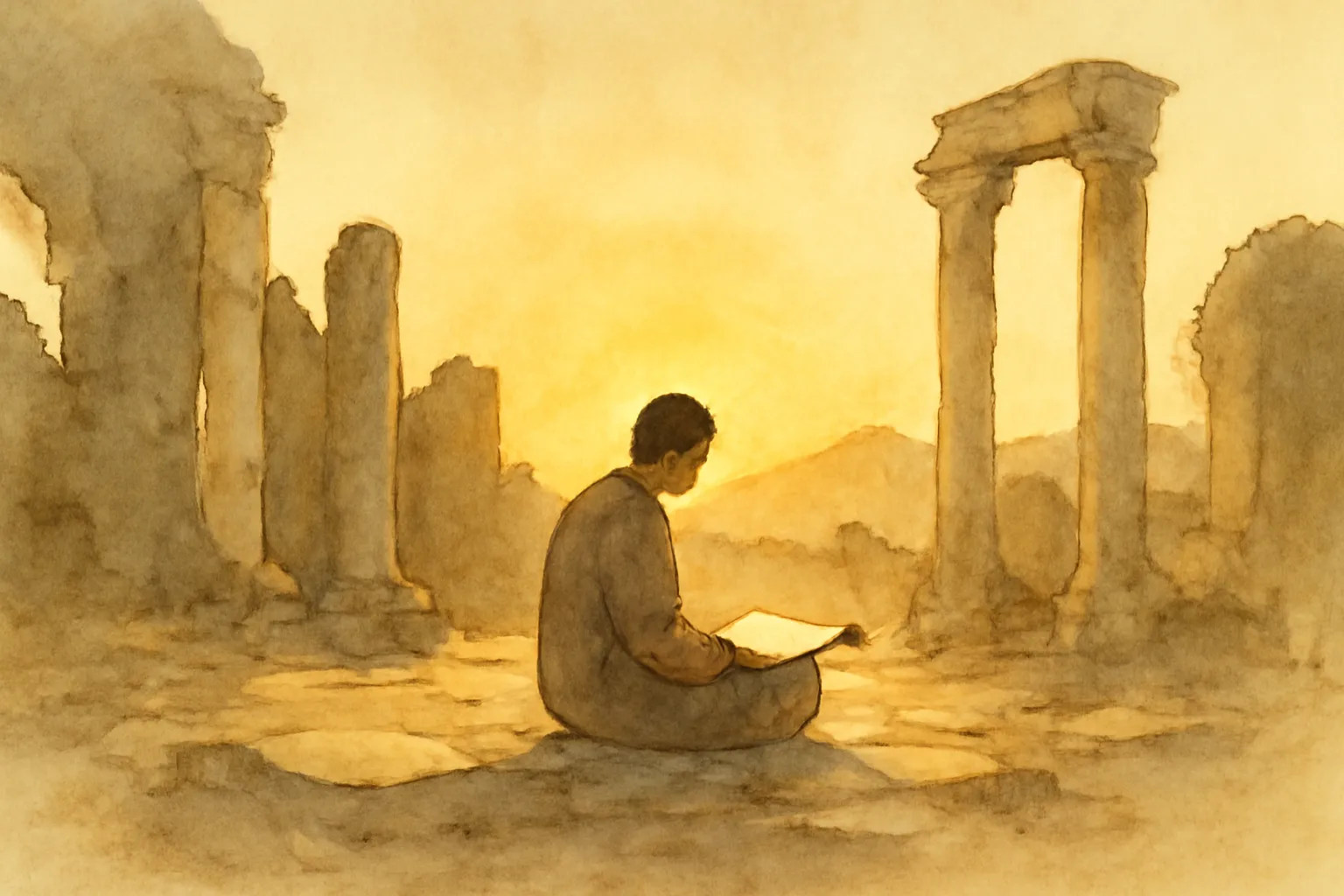
Sellars argues that, for the Stoics, philosophy was fundamentally about transforming one’s way of living. Unlike modern views that often separate philosophy from everyday concerns, the Stoics saw it as a practical discipline aimed at achieving eudaimonia—flourishing or happiness. This approach treats philosophy as a set of exercises, habits, and commitments that shape character and conduct, not just abstract reasoning.
2.The Socratic Legacy
The book traces the Stoic conception of philosophy back to Socrates, who famously lived his philosophy in public and private life. Sellars emphasizes how Socratic questioning and the pursuit of self-knowledge laid the groundwork for later Stoic practices. This lineage is crucial: it shows that the Stoic art of living is part of a broader tradition that values philosophical inquiry as a means to personal transformation.
3.Stoic Techniques and Exercises
Central to Stoic practice are daily exercises—such as reflection, self-examination, and meditative routines—that help individuals internalize philosophical principles. Sellars details how these techniques are designed to cultivate virtues like wisdom, courage, and self-control. The focus is on practical application: philosophy becomes a toolkit for navigating life’s challenges.
4.Philosophy vs. Science
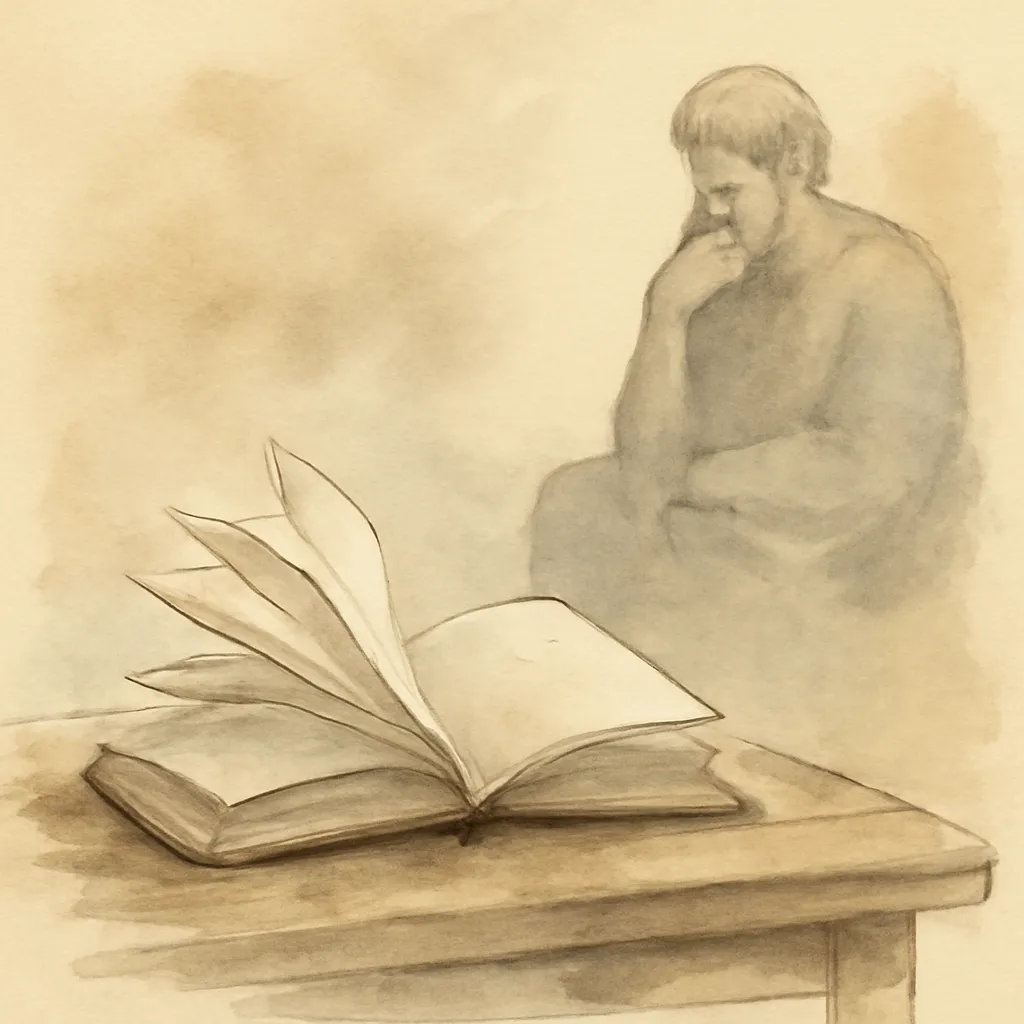
Sellars contrasts the ancient model of philosophy as a way of life with the modern tendency to treat philosophy as an academic or scientific discipline. He argues that the Stoic model offers a living alternative, one that resists the reduction of philosophy to mere analysis or technical expertise. This distinction invites readers to reconsider what philosophy is for and how it might serve them personally.
5.Critiques and Challenges
The book does not shy away from the ancient and modern critiques of the Stoic approach. Through engagement with Sceptical philosophers like Sextus Empiricus, Sellars examines objections to the possibility of living according to philosophical principles. He shows how the Stoics responded to these challenges, refining their practices and defending the viability of philosophy as a transformative art.
6.Philosophy and Biography
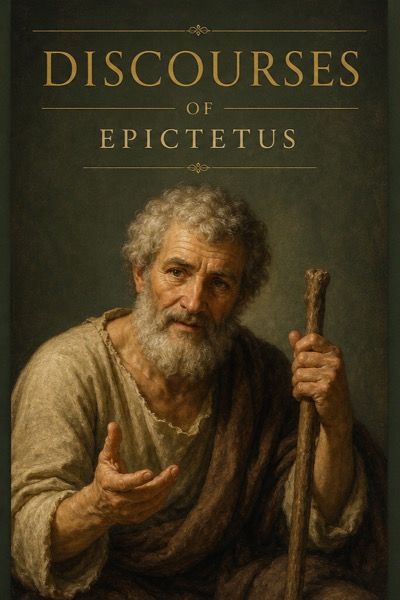
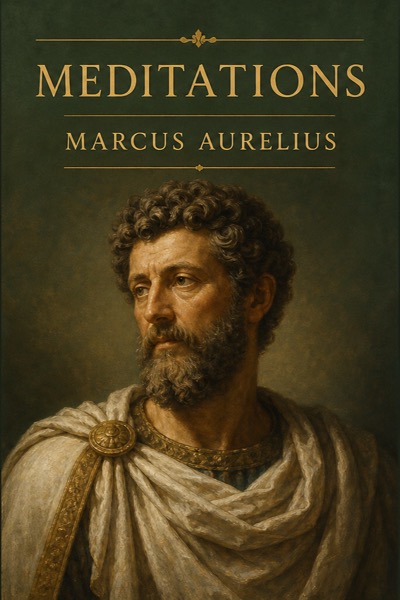
Sellars explores the relationship between a philosopher’s ideas and their life, arguing that for the Stoics, theory and practice are inseparable. The lives of figures like Epictetus and Marcus Aurelius are presented as case studies in living philosophy, illustrating how personal biography and philosophical commitment intertwine.