1.The Legend vs. History
Chesterton makes a clear distinction between legend and history, emphasizing that the essence of a figure like King Alfred transcends mere historical fact. While historians may debate the specific events of Alfred's life, the legends surrounding him encapsulate the values and ideals that resonate with the people. The story of Alfred hiding in the marshes or baking cakes is not about factual accuracy but about the enduring spirit of hope and resilience that these tales inspire. The legends serve as cultural touchstones, providing a sense of identity and continuity for the people of Wessex, making them essential for understanding the character of Alfred and the era he represents. This exploration reveals that legends serve to unite a community, offering a shared narrative during times of strife, thus emphasizing the importance of collective memory in shaping cultural identity.
2.The White Horse as a Symbol
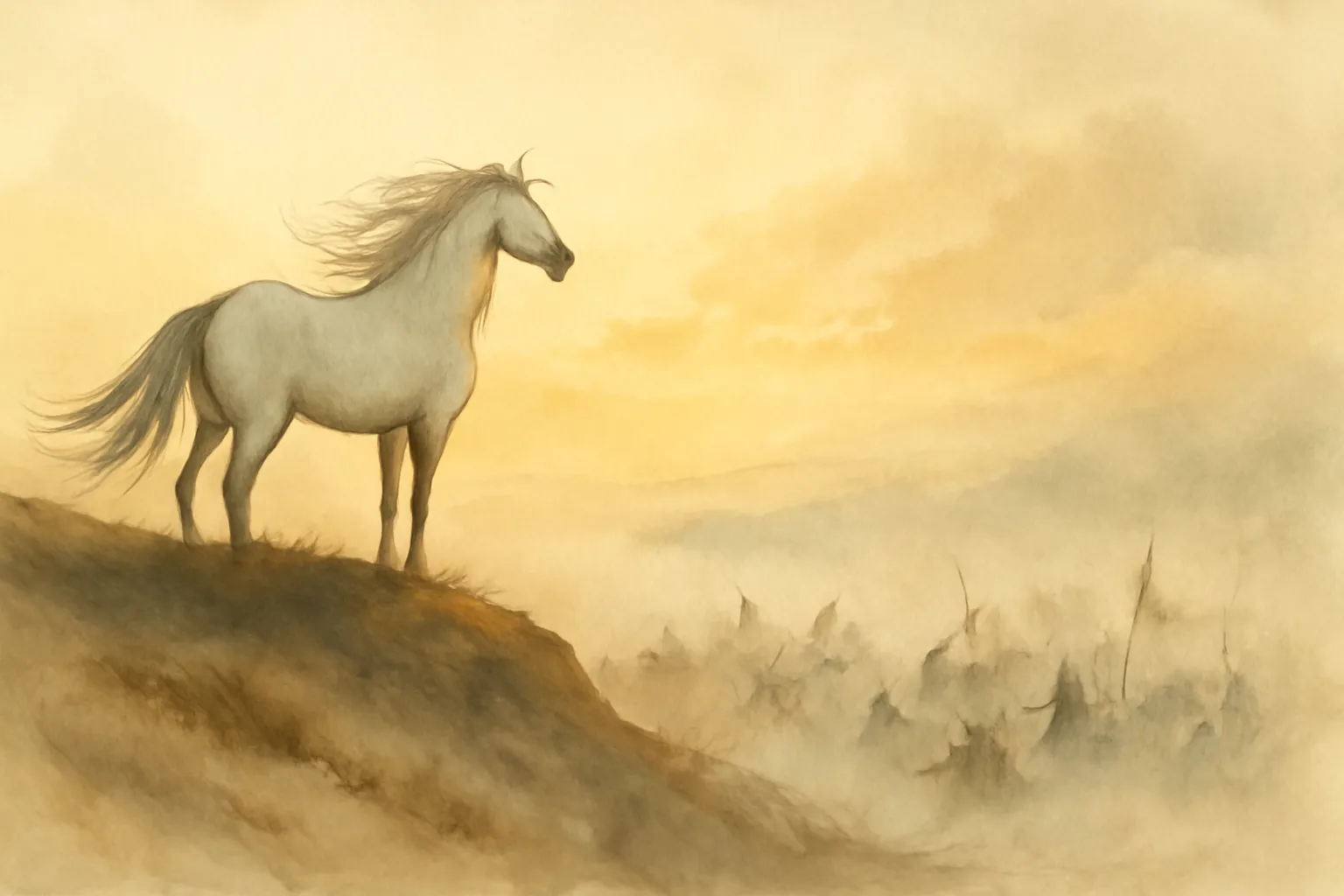
The White Horse of the Vale serves as a powerful symbol throughout the ballad, representing not only the land itself but also the enduring spirit of England. Chesterton depicts the horse as a witness to the ages, having seen the rise and fall of empires and the struggles of humanity. It is described in a manner that evokes a sense of ancient wisdom and continuity, emphasizing that the land and its symbols carry the weight of history. The horse's presence on the hill becomes a rallying point for Alfred and his people, reminding them of their roots and the battles they must fight to reclaim their identity and freedom. This symbolic representation reflects the deep connection between the land and its people, illustrating how cultural symbols become focal points for unity and resistance. Thus, the White Horse is not merely a geographical feature; it becomes an emblem of national pride and endurance.
3.Alfred's Vision and Leadership
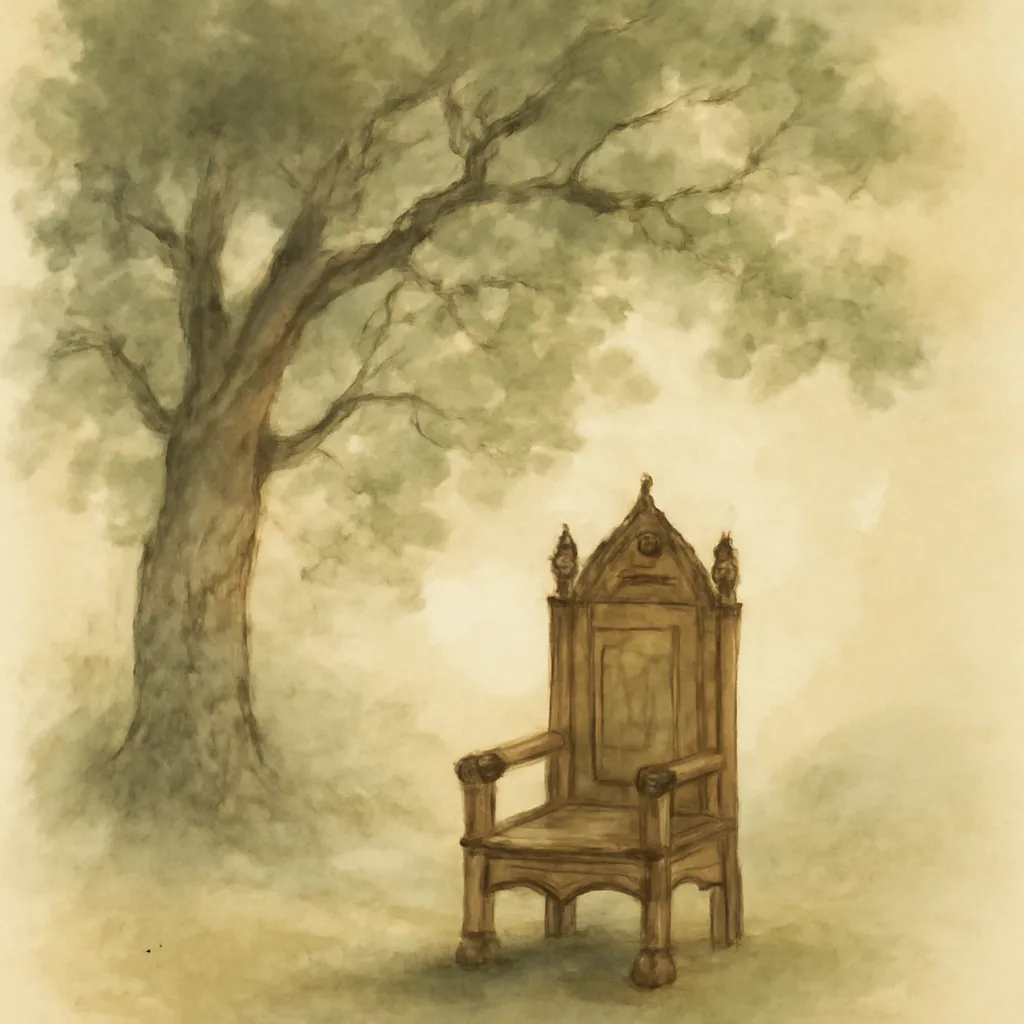
Alfred's leadership is portrayed as deeply rooted in a vision that goes beyond military conquest; it encompasses a moral and spiritual awakening. His call to arms is not just a summons for warriors but an invitation for the hearts and minds of his people to unite against a common foe. The ballad illustrates how Alfred gathers not only warriors but also wise men and common folk, emphasizing the importance of community in overcoming adversity. His leadership is characterized by a profound understanding of the human condition, recognizing the fears and hopes of his people, which ultimately galvanizes them to rally behind him in their darkest hour. This multidimensional approach to leadership highlights the necessity of empathy, wisdom, and courage, crucial attributes for any leader facing significant challenges. Alfred's journey encourages readers to reflect on what true leadership entails, extending beyond mere authority to embody a shared vision for the future.
4.The Role of Tradition
Tradition plays a crucial role in the ballad, serving as both a source of strength and a guiding light for Alfred and his people. Chesterton suggests that the legends and stories passed down through generations are vital for maintaining cultural identity and fostering resilience. The invocation of historical figures and events serves to inspire the current generation to rise above their circumstances. By drawing upon the rich tapestry of their past, the characters in the ballad find the courage to face their present challenges. This interplay between tradition and modernity is a central theme, highlighting how the past informs the future. Chesterton captures this relationship by demonstrating how Alfred’s understanding of his ancestry and the tales of great leaders before him shape his actions. In this way, the ballad becomes a celebration of the power of human stories to motivate and unify, urging audiences to recognize their heritage as a source of strength.
5.The Power of the Harp
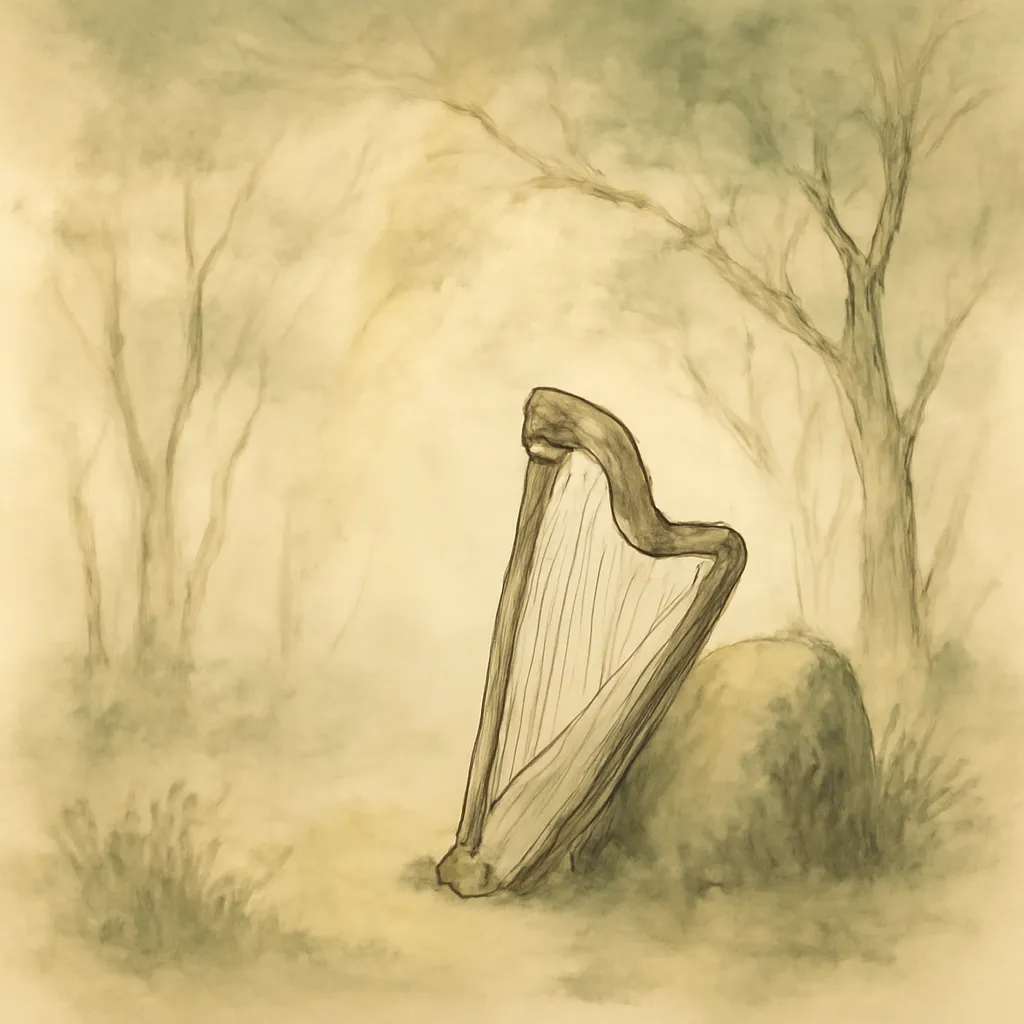
The harp emerges as a significant symbol of hope and creativity in the narrative, embodying Alfred's artistic and spiritual side. When Alfred takes up the harp, it signifies a moment of introspection and connection to his own humanity. This act of playing music amidst chaos serves as a reminder that art and culture can be powerful tools for resistance and healing. The harp also connects Alfred to his people, as music transcends barriers and unites individuals in shared experience. In a world ravaged by war, the harp represents the enduring human spirit and the importance of nurturing creativity even in times of strife. It highlights the duality of Alfred's character, as both a warrior king and a man of culture, suggesting that true strength lies not only in the ability to defend but also in the capacity to inspire and uplift through art. This theme encourages readers to value creativity as essential to the human experience, especially in tumultuous times.
6.The Nature of War
Chesterton delves into the complexities of war, portraying it as an inevitable aspect of the human experience. The ballad does not shy away from the brutal realities of battle; instead, it explores the emotional and psychological toll it takes on those involved. Alfred's reflections on the nature of conflict reveal a deep understanding of both the glory and horror of war. The juxtaposition of noble ideals and the grim realities of combat serves to highlight the moral dilemmas faced by leaders and soldiers alike. This exploration prompts readers to consider the broader implications of war and the sacrifices made in the name of honor and duty. By illustrating the struggles of Alfred and his men, the ballad underscores the multifaceted nature of conflict, reminding readers that behind every battle lies a complex interplay of motivations, fears, and hopes.
7.The Feminine Influence
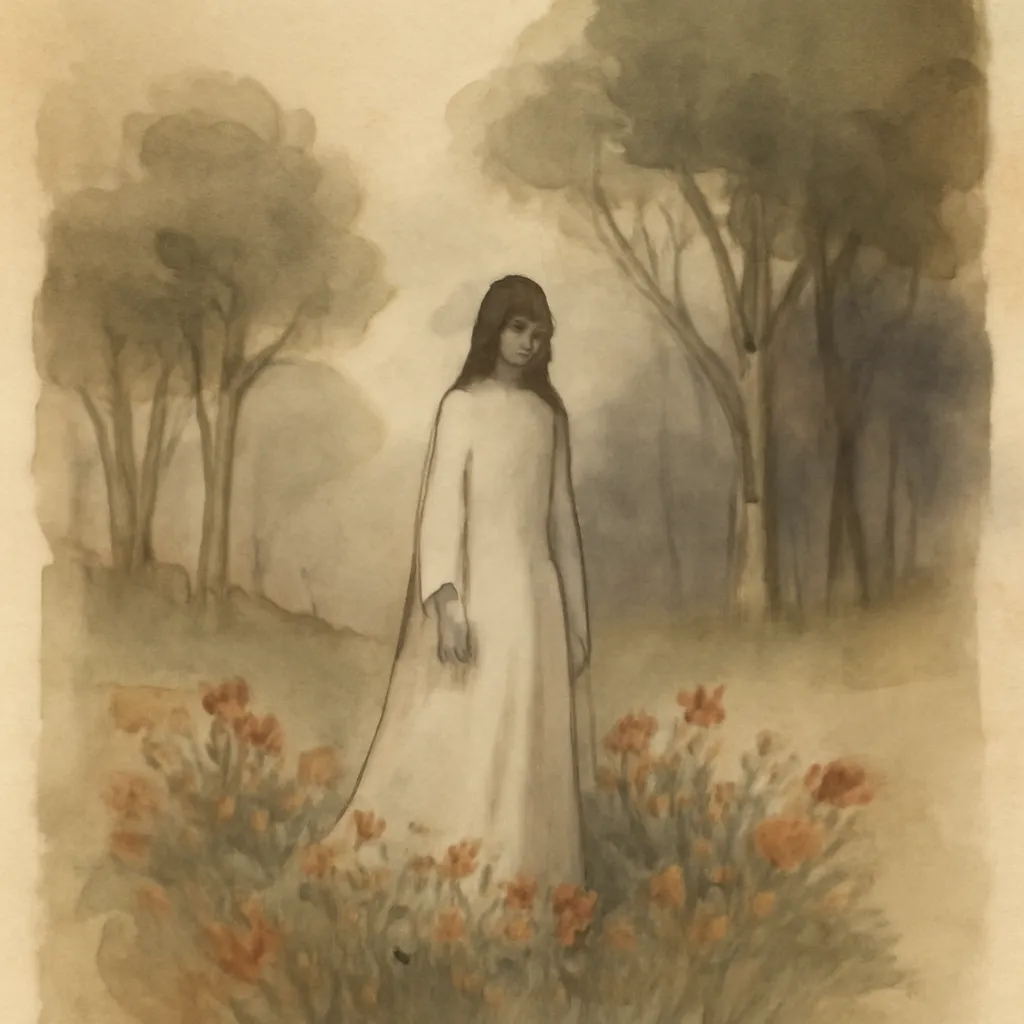
The presence of women in the ballad, particularly in the form of the mysterious woman in the forest, underscores the vital influence of femininity in shaping the narrative. This character represents the nurturing and protective aspects of womanhood, contrasting with the violence of war. Her offering of cakes to Alfred symbolizes the importance of sustenance and care in times of strife. Chesterton suggests that the feminine voice is often overlooked in tales of heroism, yet it plays a crucial role in grounding the male hero's journey. By acknowledging this influence, the ballad enriches its portrayal of human experience, emphasizing the interconnectedness of all roles within society. This theme encourages a more holistic view of heroism, recognizing that strength can manifest in various forms and that both men and women contribute to the resilience of a community.
8.The Battle of Ethandune
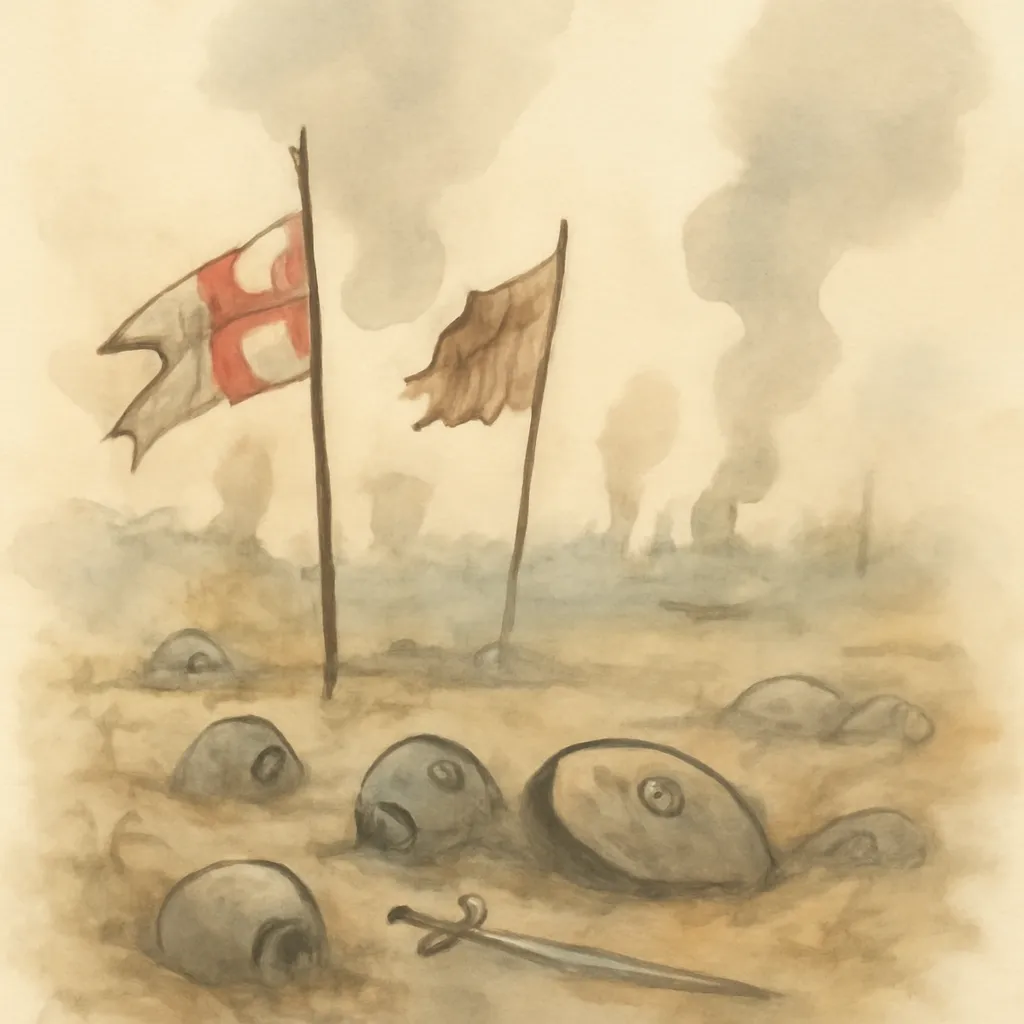
The climactic Battle of Ethandune serves as the narrative's turning point, encapsulating the themes of courage, sacrifice, and the struggle for freedom. Chesterton vividly describes the chaos of battle, contrasting the valor of Alfred's forces with the fierce determination of the Danes. The battle becomes a microcosm of the larger struggle between cultures and ideologies, with Alfred's forces representing the hope for a united England. The intensity of the conflict is heightened by the personal stakes for Alfred, as he fights not only for his kingdom but for the very essence of his people's identity. This pivotal moment in the ballad underscores the sacrifices made in the pursuit of a greater good. The detailed depiction of battle tactics, the emotions of the warriors involved, and the chaos of combat serves to bring the reader into the heart of the action, making the struggle feel immediate and relevant.
9.The Spiritual Dimension
Throughout the ballad, a spiritual dimension permeates the narrative, reflecting Alfred's deep connection to faith and divine guidance. Chesterton portrays Alfred as a leader who seeks wisdom and strength from a higher power, emphasizing the importance of spirituality in times of crisis. This connection is not merely a backdrop but a driving force behind Alfred's decisions and actions. The invocation of divine presence serves to inspire both Alfred and his followers, reinforcing their resolve to fight against oppression. The spiritual themes woven into the narrative encourage readers to consider the role of faith and morality in leadership and the human experience. By framing Alfred's journey within a spiritual context, Chesterton invites readers to reflect on their own beliefs and the ways in which they inform their actions, especially in moments of challenge.
10.The Legacy of Alfred
Alfred's legacy is intricately tied to the themes of memory and tradition, as the ballad suggests that true greatness lies in the stories we leave behind. Chesterton emphasizes that Alfred is not just a historical figure but a symbol of resilience and hope for future generations. The way Alfred's story is told and retold shapes the cultural consciousness of England, ensuring that his values endure in the hearts of the people. This notion of legacy speaks to the broader human experience, reminding us that our actions and choices resonate far beyond our lifetimes. The ballad ultimately invites readers to reflect on their own legacies and the stories they wish to impart to future generations. This exploration of legacy encourages individuals to consider how their contributions to society can create lasting impact, fostering a sense of responsibility towards their communities and the future.