1.The Allure and Perils of Fame
John Berridge's ascent to fame following the success of his play 'The Heart of Gold' serves as a critical pivot in the narrative. This newfound recognition brings with it a flurry of societal attention, encapsulated in the moment a young Lord seeks Berridge's judgment on a literary matter. This convergence of admiration and expectation reveals the intoxicating allure of fame that can cloud one's judgment and priorities. Berridge is initially swept away by the thrill of success, experiencing a whirlwind of opportunities and accolades that affirm his talent. However, as the narrative unfolds, the perils of such fame become starkly apparent. Berridge's relationships begin to fray under the pressure of public scrutiny and the insatiable demands of the theatrical world. This tension underscores a critical theme: while fame can elevate an individual, it often comes at the cost of deeper connections and personal fulfillment, posing the question of what one is willing to sacrifice for success.
2.Navigating Superficiality

As Berridge mingles with high society, he becomes increasingly aware of the superficiality that often pervades the world of the elite. The glamorous personas he encounters, such as the celebrated tenor and Princess Gloriani, illustrate the tension between public admiration and personal insecurities. Through Berridge's perspective, readers witness a delicate balancing act as he navigates this social landscape, often questioning the authenticity of the interactions he experiences. These encounters reveal a world driven by appearances, where genuine connection is overshadowed by the glittering facade of high society. James uses Berridge's growing disillusionment to prompt readers to consider the cost of maintaining such superficial relationships, suggesting that the pursuit of social validation can lead to an emptiness that fame alone cannot fill. This exploration of authenticity versus pretense invites contemplation on the nature of human connection in a world obsessed with image.
3.The Burden of Expectations
Mark Monteith's return to New York after a prolonged absence starkly contrasts with Berridge's rise to fame. Monteith grapples with the weight of societal expectations that loom over him, compounded by the emotional turmoil stemming from his past failures. His experience highlights the societal pressures that dictate individual choices, creating a sense of alienation and despair. As Monteith confronts the reality of his unfulfilled potential, he embodies the struggle against the relentless pursuit of societal approval. His feelings of inadequacy and regret serve as a poignant reminder of the emotional toll that such expectations can take, raising questions about identity, self-worth, and the quest for personal authenticity. Through Monteith, James underscores the internal conflict that arises when individual desires clash with external pressures, revealing the profound impact of societal norms on personal agency.
4.Complexity of Human Relationships
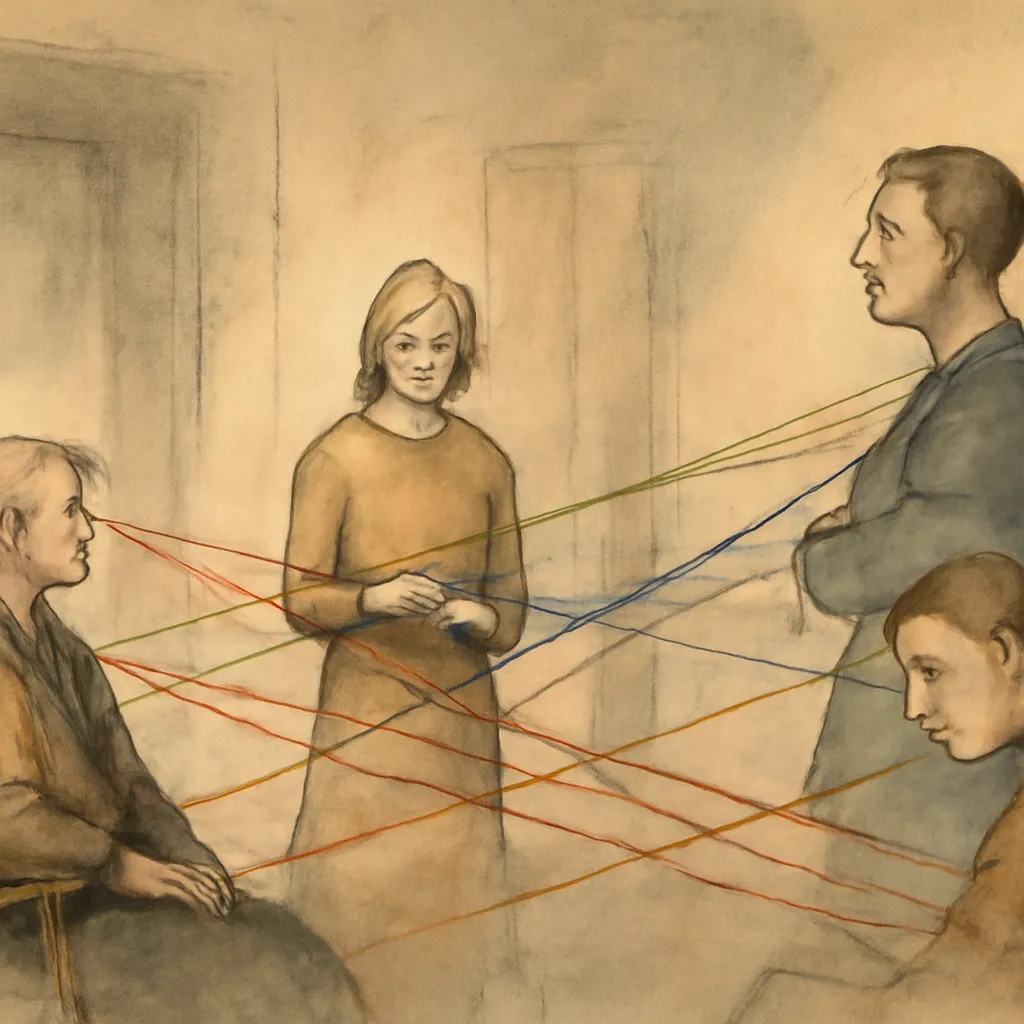
The intricate relationships between characters in 'The Finer Grain' reflect the broader social dynamics of the time. Berridge's interactions with the Princess and the renowned dramatist expose the underlying currents of admiration, envy, and desire. Each character's motivations and insecurities shape their connections, resulting in a complex web of relationships marked by both intimacy and distance. For instance, Berridge admires the Princess's elegance while grappling with his feelings of inferiority in her presence. Similarly, Monteith's relationship with Nan Drury reveals the struggles of navigating love amidst emotional baggage and unfulfilled expectations. This exploration of relationships highlights the tension between personal ambition and the need for connection, illustrating how societal pressures can complicate even the most genuine bonds. James intricately weaves these narratives to emphasize the delicate balance of intimacy and ambition, urging readers to contemplate the nature of human connection.
5.The Role of Women in Society
Women play pivotal roles in 'The Finer Grain,' often navigating the complexities of ambition, societal expectations, and personal desires. The Princess Gloriani embodies the duality of ambition and vulnerability, showcasing how women in this era contend with societal limitations while pursuing their aspirations. Her allure stems not only from her beauty but also from her intellect and artistic sensibility, making her a compelling figure in Berridge's journey. Contrastingly, Nan Drury represents the quiet strength and resilience of women who often prioritize love and duty over personal ambition. Their experiences illustrate the societal constraints placed upon women and how they maneuver within these confines to assert their identities. James critiques the patriarchal structures while celebrating the strength of women who seek fulfillment in a world that often marginalizes their contributions. Through these characters, the narrative examines the intricate dynamics of gender and ambition, inviting readers to reflect on the evolving roles of women in society.
6.Ambition and Personal Sacrifice
Both Berridge and Monteith grapple with the sacrifices inherent in the pursuit of their ambitions. Berridge's meteoric rise in the artistic world comes at the expense of his relationships and emotional stability. As he achieves acclaim, he becomes increasingly consumed by the need to uphold his status, often sidelining the people who matter most. This conflict between ambition and personal fulfillment highlights the theme of sacrifice, prompting readers to consider the true cost of success. Monteith, burdened by the shadows of his past, reflects on the sacrifices he made, questioning whether they were worth the toll on his happiness and integrity. James skillfully illustrates how ambition can lead individuals to prioritize external achievements over internal satisfaction, raising poignant questions about the nature of success and what it means to live a fulfilling life.
7.The Nature of Art and Creativity

Artistic expression serves as a central motif in 'The Finer Grain,' with Berridge's creative process reflecting the complexities of artistry. The narrative delves into the interplay between inspiration and the demands of commercial success, highlighting the challenges artists face in balancing personal vision with societal expectations. Berridge's struggle to maintain his artistic integrity while catering to the whims of public opinion emphasizes the tension between authenticity and marketability. Through his experiences, James reveals that true artistry often requires navigating a landscape fraught with compromises. This examination of the creative process invites readers to reflect on the sacrifices artists make in pursuit of their craft, underscoring the idea that the journey of creation is as important as the final product. The narrative encourages contemplation of the relationship between art and life, suggesting that the two are inextricably linked.
8.Isolation in a Crowded Environment
Despite the vibrant social scenes depicted in the novel, both Berridge and Monteith experience profound isolation. Berridge, surrounded by admirers and critics, finds himself increasingly emotionally detached from his surroundings. The very fame that elevates him also heightens his loneliness, as he realizes that the connections he forms are often shallow and transactional. Similarly, Monteith's return to a familiar yet alien New York amplifies his feelings of disconnection, as he grapples with the remnants of his past. This theme of isolation resonates throughout the narrative, illustrating how external appearances can mask internal struggles. James poignantly captures the paradox of human experience, where individuals can feel utterly alone even in the midst of societal engagement. This exploration prompts readers to reflect on the fragility of human connection and the emotional burdens that accompany the pursuit of success.
9.The Illusion of Control
As characters navigate their respective journeys, they confront the illusion of control over their lives. Berridge's success seems to grant him power, yet he quickly discovers that he is at the mercy of public opinion and the fickle nature of the artistic landscape. Monteith's attempts to reclaim agency are similarly thwarted by forces beyond his control, including societal expectations and personal regrets. This theme underscores the unpredictability of life and the futility of attempting to exert control over circumstances dictated by external factors. James invites readers to consider the nature of agency and the acceptance of life's inherent uncertainties, suggesting that true strength lies in embracing the unknown while navigating the complexities of existence.
10.Redemption and the Possibility of Forgiveness
The potential for redemption and the possibility of forgiveness emerge as key motifs in the lives of both Berridge and Monteith. Both characters grapple with the consequences of their past actions and the emotional scars they carry. Berridge's journey towards self-awareness reflects the broader theme of personal growth and the capacity for change. He ultimately confronts his artistic choices and the impact they have on his relationships, highlighting the importance of accountability in the pursuit of redemption. Monteith's interactions with Nan and the ghosts of his past relationships compel him to reconcile with his decisions, illuminating the path toward forgiveness. Through these narratives, James suggests that redemption is an ongoing process that requires introspection, vulnerability, and a willingness to embrace the complexities of human experience.