1.Morality as Historical Construction
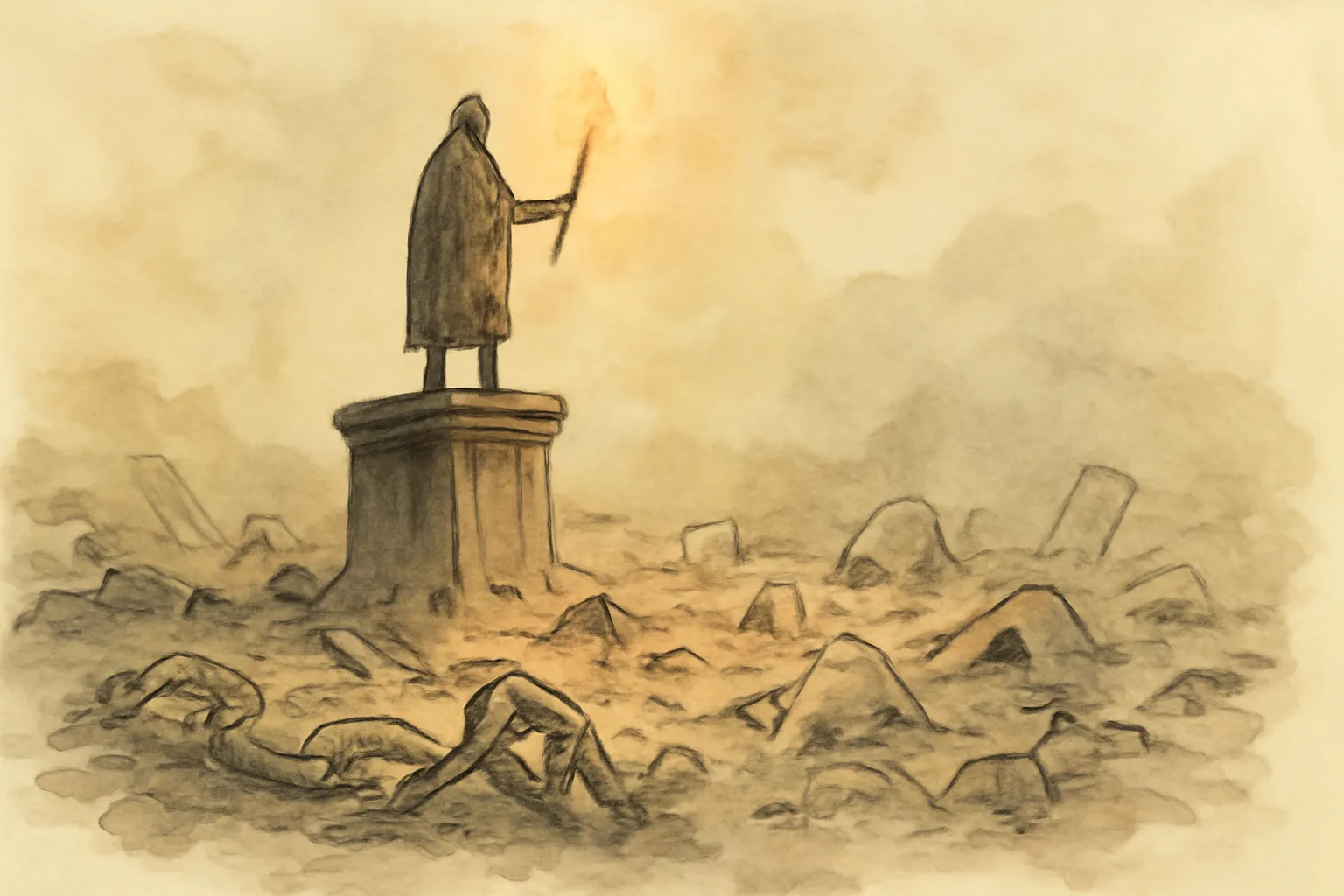
Nietzsche argues that our moral values are not universal truths but the result of specific historical developments. He traces how what we now consider 'good' and 'evil' emerged from the power dynamics between different social groups, especially the ruling aristocracy and the oppressed. By exposing morality as a contingent product of history, Nietzsche invites us to question the supposed objectivity and timelessness of our ethical standards.
2.Master Morality vs. Slave Morality
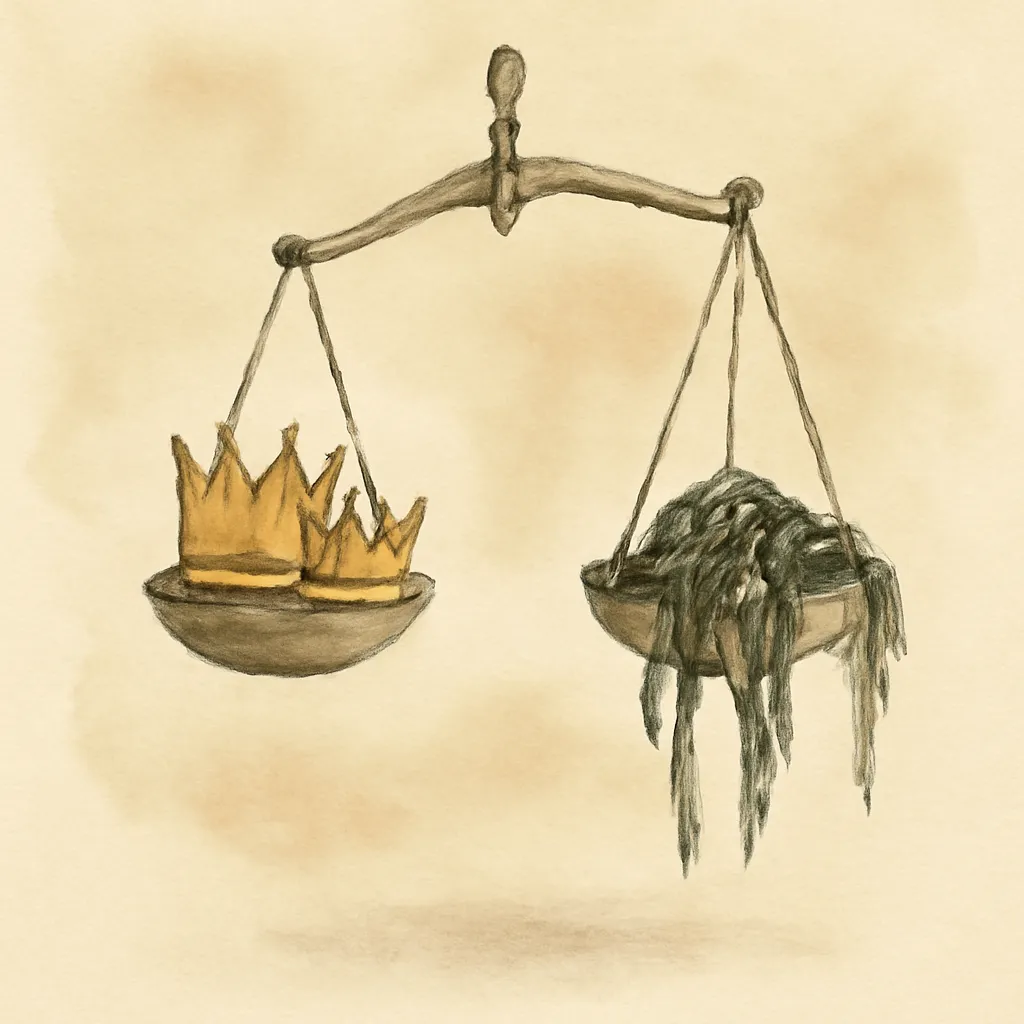
A central theme is Nietzsche’s distinction between 'master morality' and 'slave morality.' Master morality, originating with the powerful, values strength, pride, and nobility. In contrast, slave morality arises among the oppressed, who revalue their weakness as virtues like humility and compassion. Nietzsche provocatively suggests that much of Western morality, especially Christian ethics, is a form of slave morality—a covert assertion of power by the weak.
3.Ressentiment and the Birth of Values
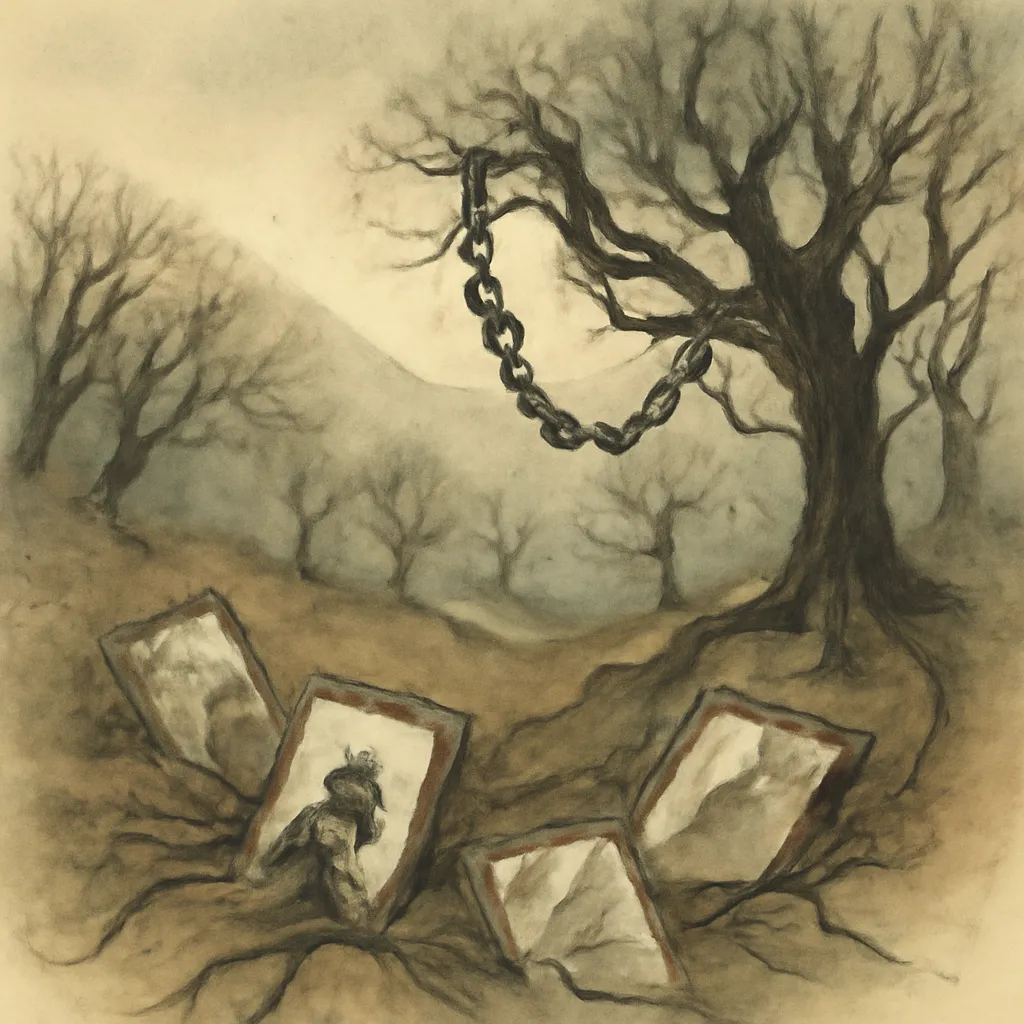
Nietzsche introduces the concept of 'ressentiment'—a deep-seated resentment, particularly among the powerless, that leads to the creation of moral systems which invert the values of their oppressors. This psychological mechanism, he argues, is at the heart of the moral revolution that made humility and pity into virtues. By understanding ressentiment, Nietzsche claims we can see how morality often masks underlying psychological and social tensions.
4.The Ascetic Ideal and Self-Denial
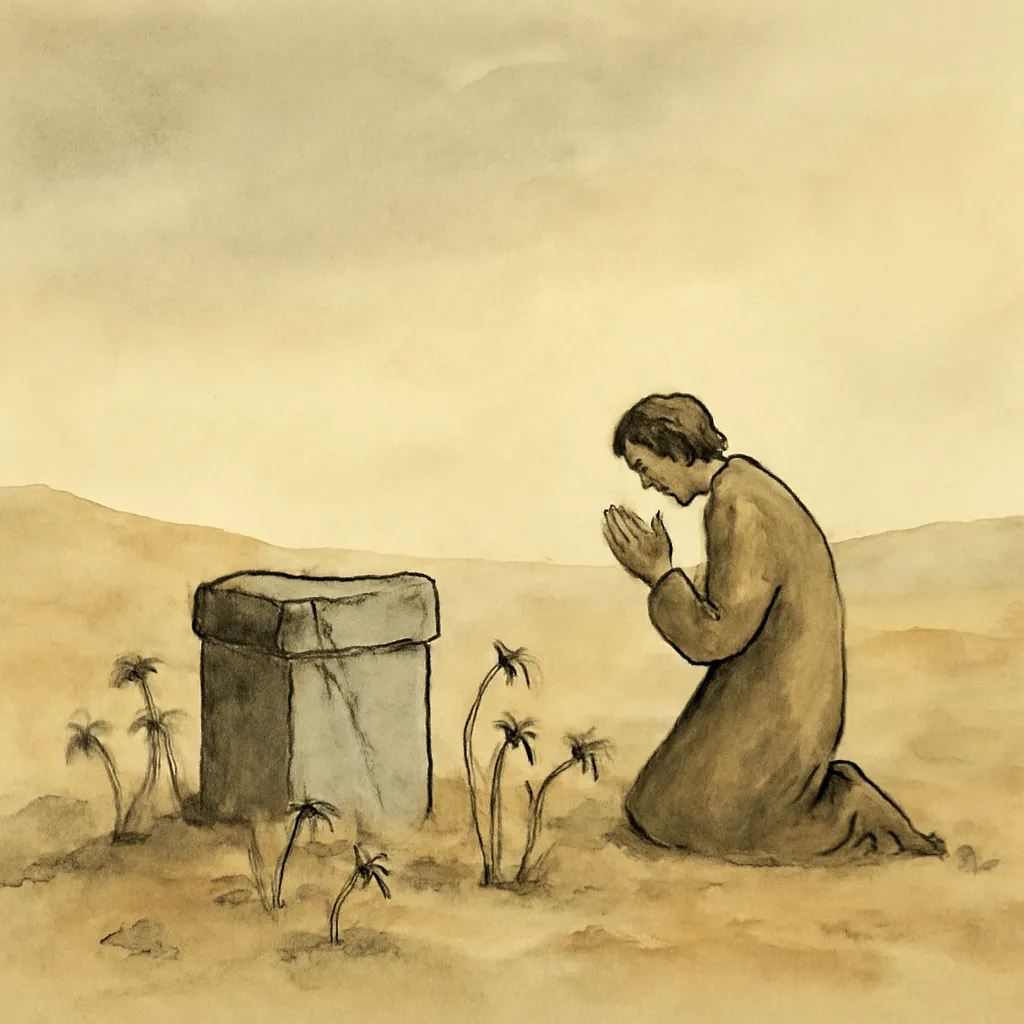
Nietzsche examines the 'ascetic ideal'—the glorification of self-denial, discipline, and the rejection of earthly pleasures. He contends that this ideal, prominent in religious and philosophical traditions, is not a higher spiritual calling but a response to existential suffering and a strategy for the powerless to find meaning. The ascetic ideal, for Nietzsche, is both a symptom of cultural malaise and a force that stifles human vitality.
5.Critique of Objective Truth in Morality
Nietzsche is skeptical of claims to absolute or objective moral truth. He sees both religious and scientific approaches to morality as forms of interpretation, shaped by perspective and power. By questioning the foundations of moral certainty, Nietzsche encourages a more critical and self-aware approach to ethical thought, one that recognizes its own limitations and historical baggage.
6.Morality as a Tool of Domestication
Nietzsche provocatively describes morality as a means of 'domesticating' humanity—channeling primal instincts into socially acceptable forms. While this process enables social order, it also suppresses creativity, individuality, and the 'will to power.' Nietzsche warns that the triumph of herd morality can lead to mediocrity and the decline of higher human potential.