1.Beauty and Monstrosity
Hugo turns the idea of beauty inside out, challenging readers to question appearances. Quasimodo, physically deformed but capable of deep love and loyalty, is contrasted with characters whose outward beauty masks inner corruption. The novel asks: who is truly monstrous, the outcast or the society that shuns him? This tension drives the emotional core of the story and reveals how superficial judgments can lead to cruelty and injustice.
2.The Tyranny of Social Structures
The book exposes the rigid hierarchies and prejudices of 15th-century Paris. Esmeralda, a Romani dancer, and Quasimodo, the bell-ringer, are both marginalized by a society that fears difference. Hugo critiques the institutions—church, law, and mob—that perpetuate exclusion and violence, showing how societal norms can crush individual dignity and hope.
3.Obsession and Destructive Desire
Claude Frollo, the archdeacon, embodies the dangers of unchecked obsession. His fixation on Esmeralda twists his intellect and faith into instruments of harm. Through Frollo, Hugo explores how desire can become destructive when it is repressed, denied, or wielded as power over others, ultimately leading to tragedy for all involved.
4.The Cathedral as a Living Symbol
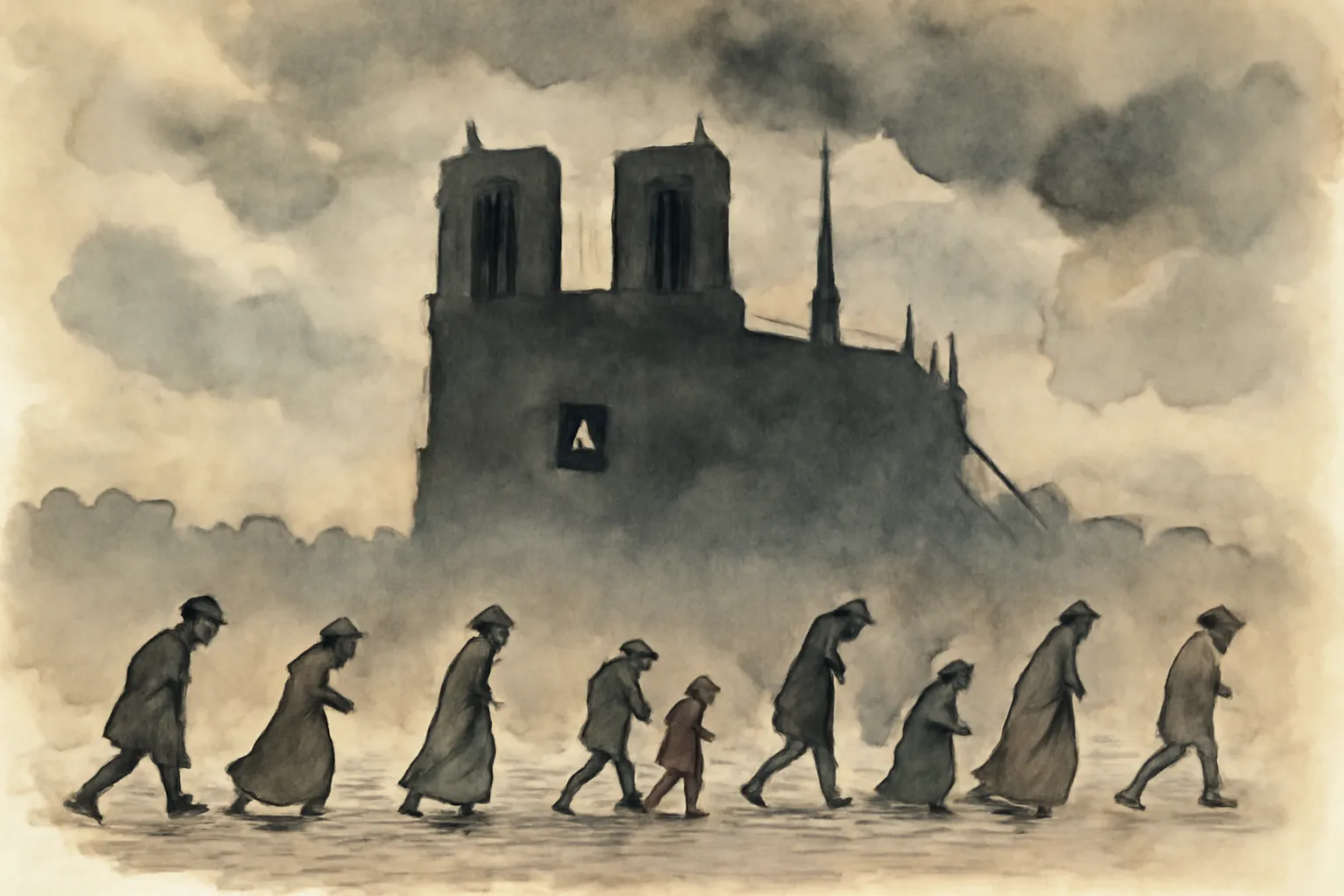
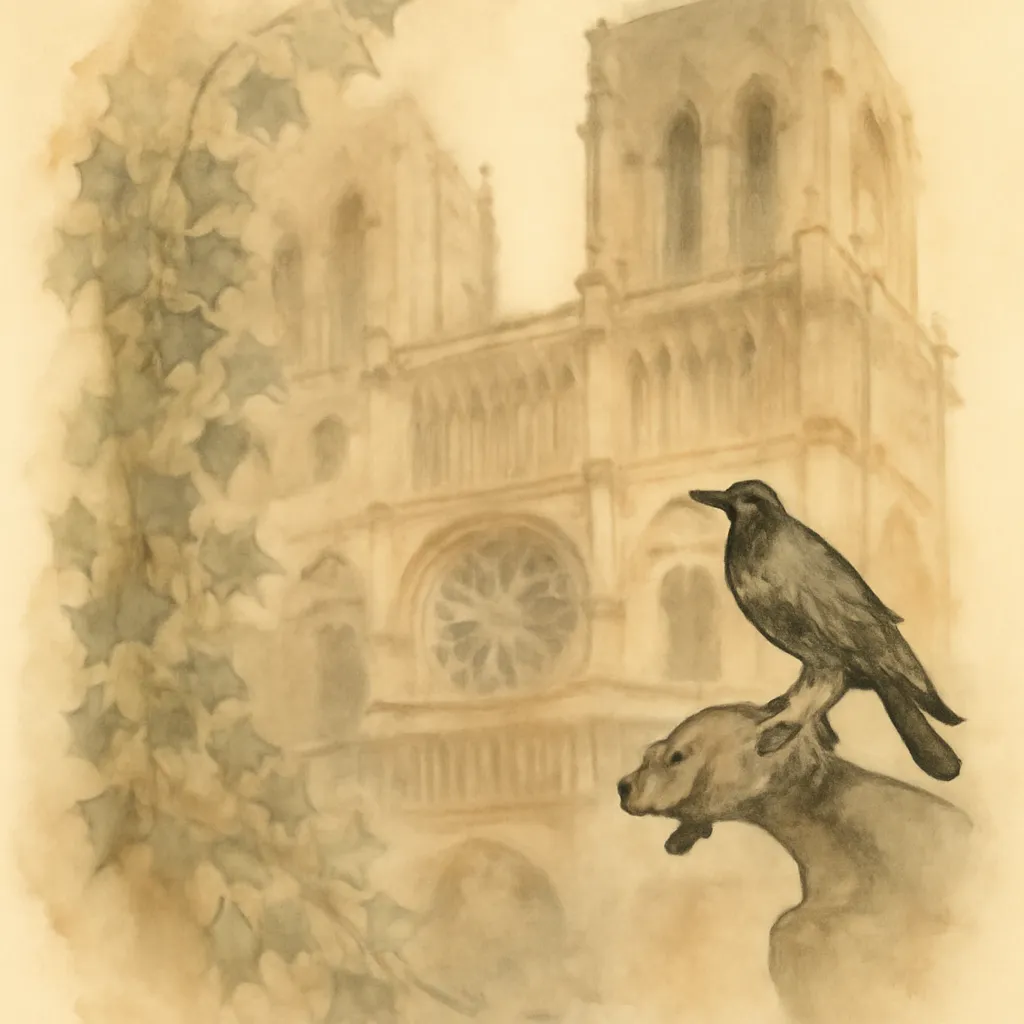
Notre-Dame itself is almost a character in the novel—a vast, brooding presence that witnesses the fates of those within its walls. Hugo uses the cathedral to symbolize both sanctuary and prison, permanence and decay. He also laments the loss of medieval architecture, using the novel as a plea to preserve cultural heritage in the face of modernity.
5.Fate, Free Will, and Tragedy
The characters are caught in a web of fate, their choices shaped and often thwarted by forces beyond their control. Hugo weaves themes of destiny and free will, suggesting that both personal decisions and societal pressures drive the inexorable march toward tragedy. This fatalism adds depth and pathos to the characters’ struggles.
6.Empathy for the Marginalized
At its heart, the novel is a plea for compassion toward those society casts aside. By giving voice and humanity to the outcasts, Hugo calls for readers to look beyond surface differences and recognize shared suffering and dignity. This message remains powerful in any era.