1.The Innocence of the Prince
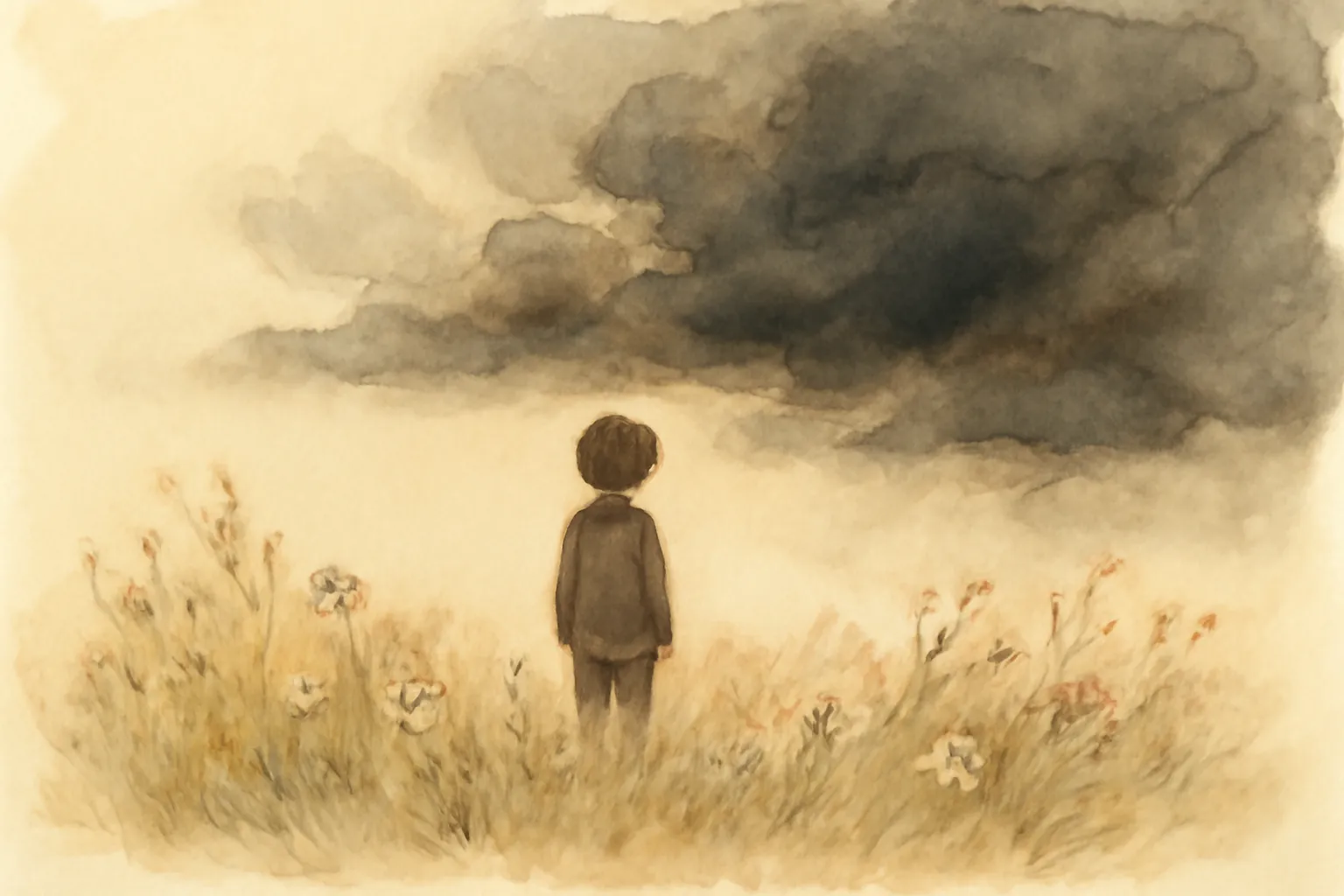
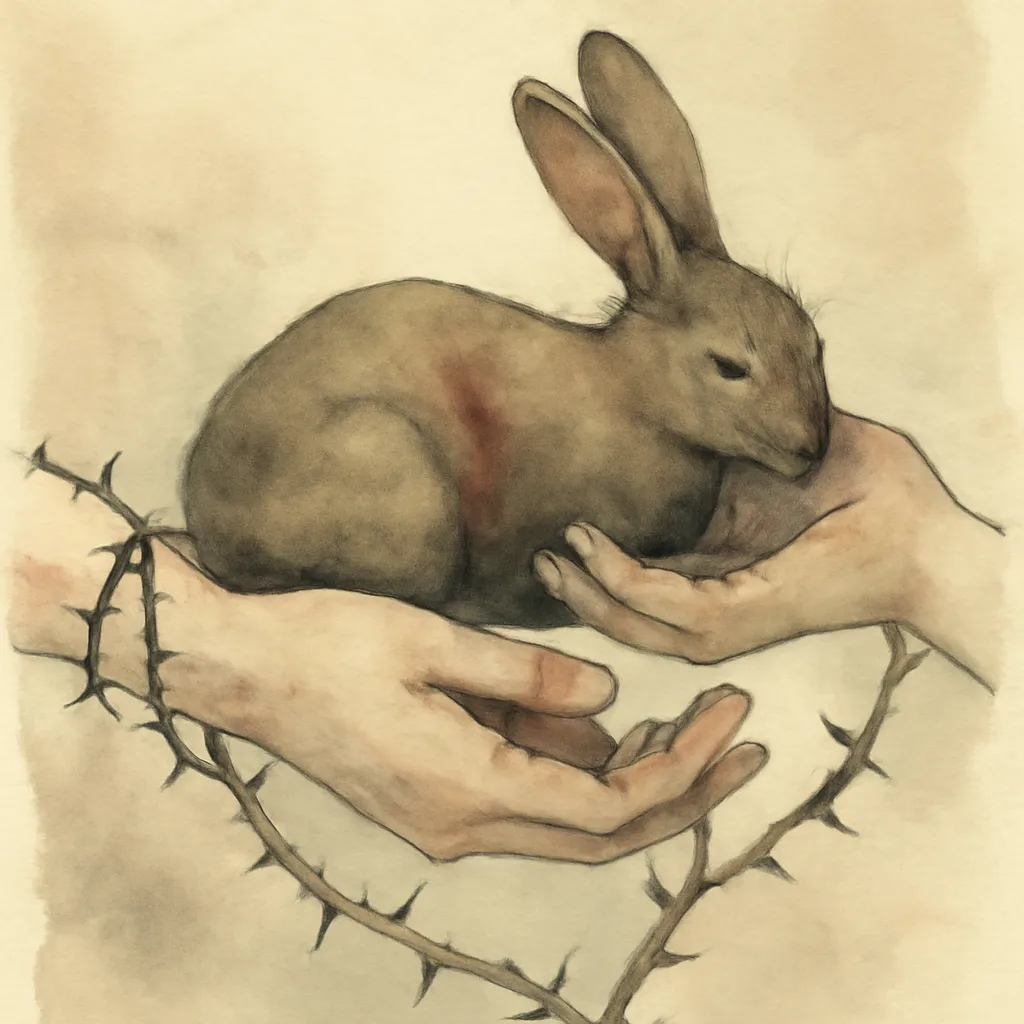
Prince Myshkin, often referred to as the 'Idiot,' embodies a purity and innocence that sets him apart from the people around him. His lack of guile and genuine compassion make him a figure of hope in a society dominated by greed and selfishness. Upon his return to Russia after a long stay in a Swiss sanatorium, Myshkin's interactions reveal how his naive perspective serves as both a strength and a vulnerability. For instance, when he meets the beautiful Nastasia Philipovna, his sincere admiration for her beauty starkly contrasts with the manipulative intentions of others. Myshkin's innocence invites both affection and exploitation, showcasing the complexities of human relationships where genuine feelings are often overshadowed by ulterior motives. This theme of innocence versus societal corruption runs throughout the novel, highlighting the struggle between idealism and reality.
2.The Nature of Goodness
Dostoevsky probes deeply into what it means to be good in a world that often rewards the opposite. Myshkin's character raises questions about moral absolutism versus relativism. His belief in the innate goodness of people is challenged repeatedly, particularly through his interactions with characters like Rogojin and Gania, who embody darker aspects of human nature. The prince's attempts to understand and connect with others often lead to tragic outcomes, illustrating the difficulty of maintaining one's moral compass amidst societal pressures. For example, his compassionate but naive attempts to rescue Nastasia Philipovna from her destructive lifestyle ultimately lead to heartbreak and conflict. This exploration of goodness serves as a critique of a society that often prioritizes ambition and power over altruism, prompting readers to reflect on their own values.
3.Love and Sacrifice
Love in 'The Idiot' is portrayed in multifaceted ways, revealing its transformative power and its potential for destruction. Myshkin's love for Nastasia Philipovna and Aglaya Epanchin serves as a lens through which the complexities of romantic attachment are examined. His genuine affection for Nastasia, a woman tormented by her past and societal judgment, is a testament to his capacity for empathy. However, his inability to navigate the intricacies of love leads to tragic misunderstandings. Conversely, Aglaya's attraction to Myshkin highlights a more naive and idealized version of love, rooted in the romanticized notion of the 'suffering artist.' The sacrifices made by Myshkin for both women underscore the theme that true love often requires selflessness, yet it also reveals the harsh reality that such sacrifices can lead to personal suffering and societal rejection.
4.The Role of Society
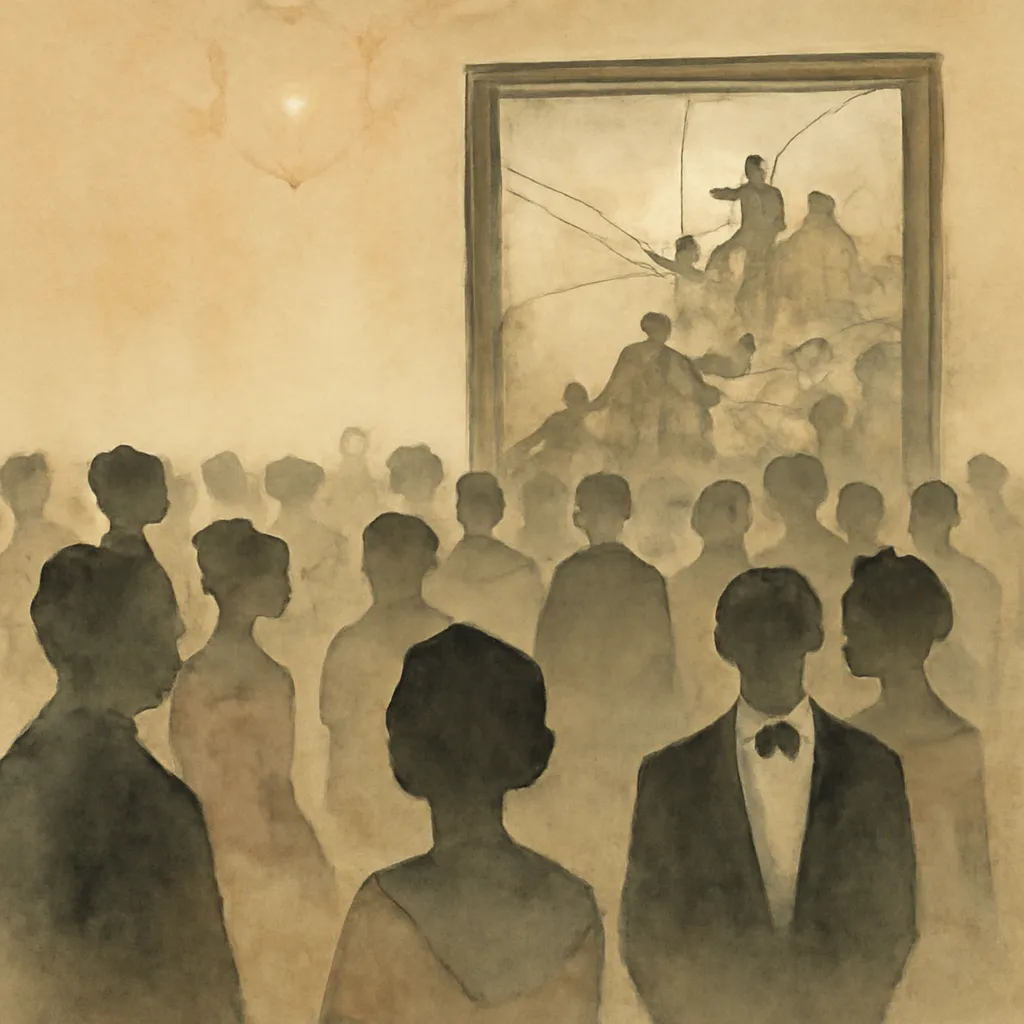
Dostoevsky paints a vivid picture of Russian society in the 19th century, characterized by class divisions, materialism, and moral decay. The interactions between Myshkin and the various social strata reveal the complexities of human behavior influenced by societal expectations. Characters like General Epanchin and his family exemplify the bourgeois values of wealth and status, often at the expense of genuine human connection. The prince's attempts to engage with this society highlight the absurdities and moral contradictions of a world that prizes appearances over authenticity. For instance, the Epanchins’ initial fascination with Myshkin quickly turns to skepticism as they grapple with his unconventional views and behaviors. This portrayal invites readers to question the values of their own society and the impact of social norms on individual behavior.
5.Madness and Sanity
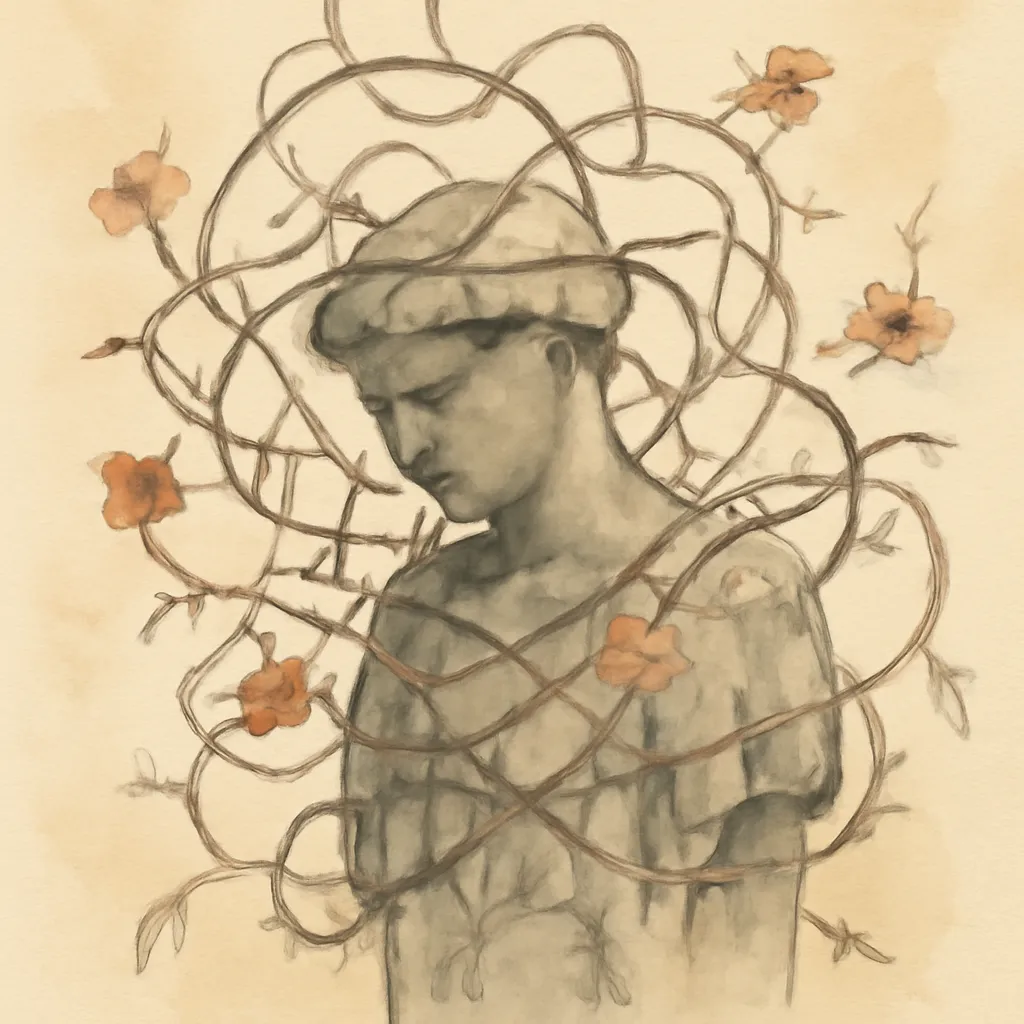
The theme of madness is intricately woven throughout 'The Idiot,' with Myshkin himself being a character whose sanity is often questioned. His epilepsy is symbolic of his sensitivity and heightened awareness of the world around him, contrasting with the emotional numbness of those he encounters. Characters like Rogojin, who oscillate between passionate love and violent obsession, exemplify the thin line between sanity and madness. Dostoevsky uses these characters to explore the idea that societal pressures can drive individuals to madness, as seen in Nastasia's turbulent emotional state and Gania's desperate ambitions. Myshkin's moments of clarity amidst his fits of epilepsy serve as a reminder of the complexity of human experience, where moments of profound insight can coexist with personal turmoil. This exploration of madness challenges readers to consider the societal definitions of sanity and the value of emotional authenticity.
6.The Search for Identity
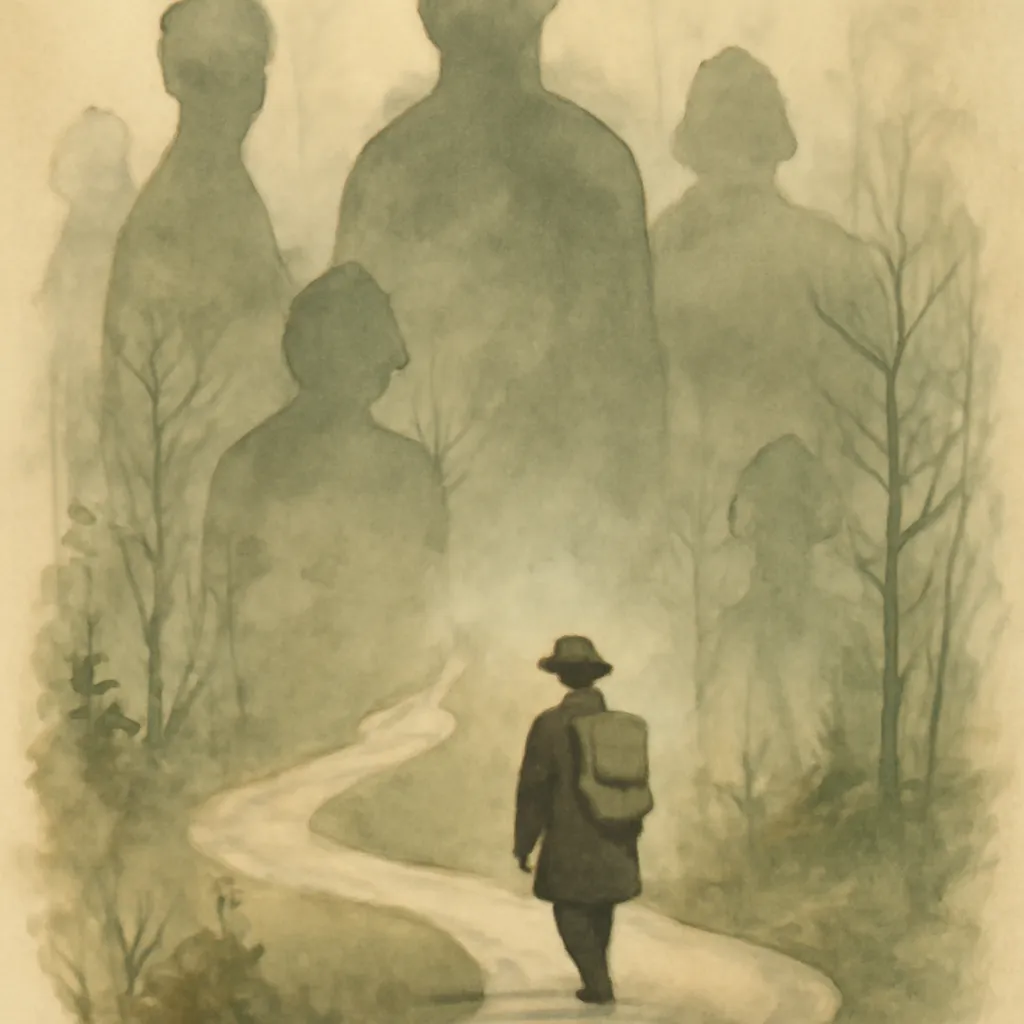
Throughout the novel, characters grapple with their identities in a rapidly changing society. Myshkin's return to Russia marks a significant moment of self-discovery as he attempts to reconcile his past with his present. His interactions with Nastasia and Aglaya force him to confront his own beliefs about love, morality, and societal expectations. Gania, on the other hand, is consumed by his ambition and the desire to escape his humble origins, leading him to betray those closest to him. The struggle for identity is particularly poignant in Nastasia's character, who embodies the conflict between her desire for acceptance and her self-destructive tendencies. Dostoevsky highlights the challenges of self-identity within a societal framework that often imposes rigid roles and expectations, prompting readers to reflect on their own journeys of self-discovery.
7.The Power of Compassion
Myshkin's compassion serves as a powerful counterforce to the cruelty and self-interest prevalent in the novel. His genuine care for others often leads him into difficult situations, as seen in his attempts to help Nastasia and his interactions with Gania. This compassion is not without its challenges; it often leaves him vulnerable to exploitation and misunderstanding. For example, Myshkin's efforts to connect with Nastasia are met with suspicion and manipulation, highlighting the complexities of human relationships. Dostoevsky uses Myshkin's character to illustrate the idea that compassion can be both a source of strength and a potential weakness in a world that often values ruthlessness. This exploration of compassion encourages readers to consider the transformative power of empathy in their own lives.
8.The Illusion of Control
Dostoevsky delves into the theme of control, particularly in the context of human relationships and societal dynamics. Characters like Gania and Rogojin are driven by their desires for power and control over their lives and others. However, their pursuits often lead to destruction and chaos, illustrating the futility of trying to exert control in an unpredictable world. Myshkin's character, in contrast, embodies a more passive approach to life, accepting the unpredictability of fate and the complexity of human nature. This tension between the desire for control and the acceptance of chaos is a recurring motif in the narrative, prompting readers to reflect on their own experiences with control and the limits of human agency.
9.The Complexity of Human Relationships
The relationships in 'The Idiot' are characterized by a rich tapestry of emotions, misunderstandings, and unfulfilled desires. Myshkin's interactions with Nastasia and Aglaya reveal the intricacies of love, friendship, and rivalry. The prince's genuine affection for both women is complicated by societal expectations and personal insecurities, leading to moments of tension and conflict. Nastasia's tumultuous relationship with Rogojin showcases the destructive potential of passion, while Aglaya's feelings for Myshkin reflect the struggles of unrequited love. Dostoevsky masterfully depicts how relationships are often fraught with contradictions, where love can coexist with jealousy, admiration with disdain. This exploration of human relationships invites readers to consider the complexities of their own connections with others.
10.The Impact of the Past on the Present
The characters in 'The Idiot' are deeply influenced by their pasts, which shape their identities and relationships in the present. Myshkin's history of illness and isolation informs his worldview and interactions, while Nastasia's traumatic past profoundly affects her choices and relationships. The shadow of their histories looms over their current lives, creating a sense of inevitability and tragedy. For instance, Nastasia's struggle with her identity as a 'fallen woman' complicates her relationship with Myshkin, who embodies a different set of values. Dostoevsky emphasizes the idea that the past is an inescapable part of the human experience, constantly shaping present actions and future possibilities. This theme resonates with readers, inviting them to reflect on how their own histories influence their current lives.