1.The Enigmatic Presence of Mr. Quin
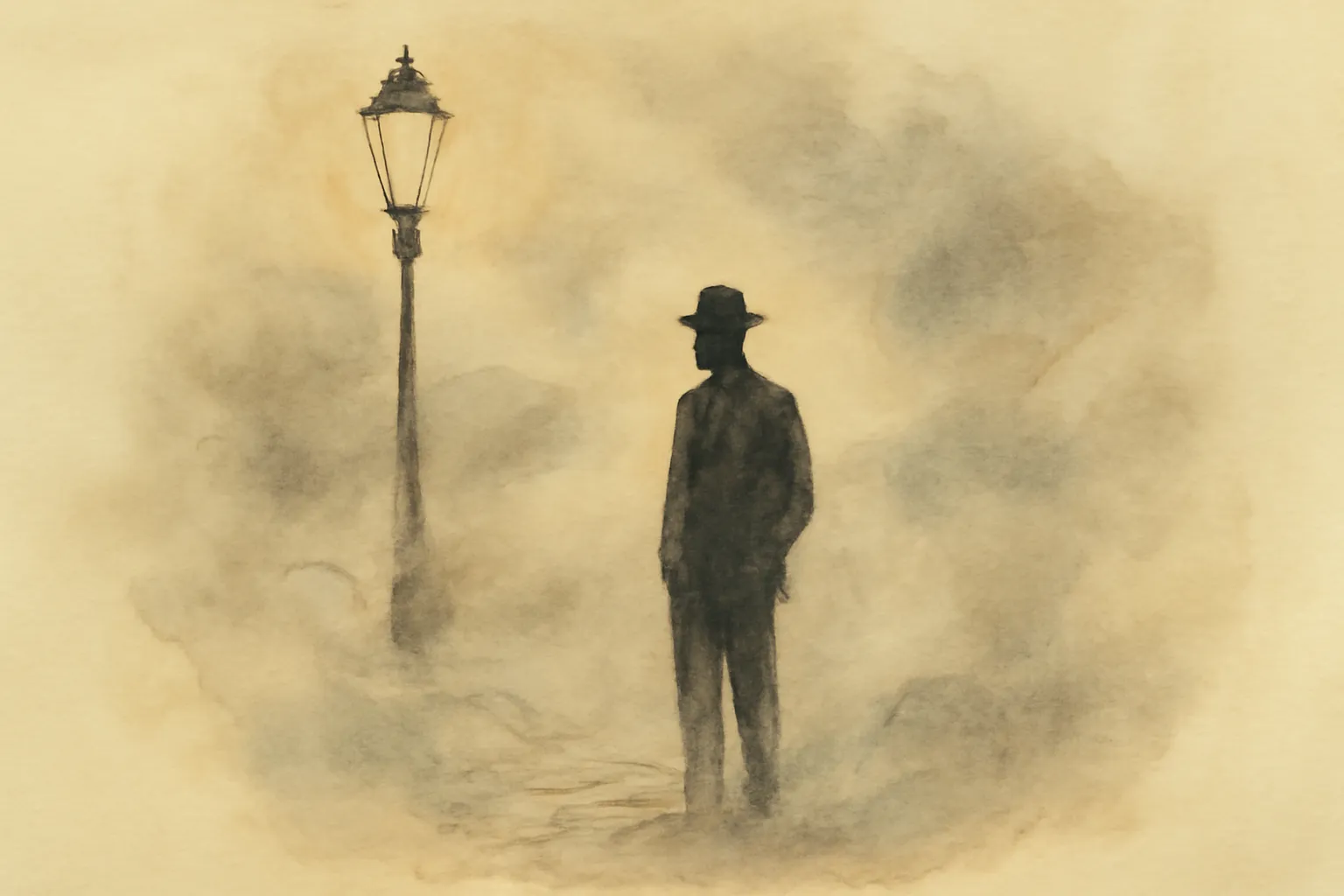
Mr. Harley Quin stands as a central figure whose very essence is steeped in mystery. His arrival often heralds a shift in the dynamics among the other characters, revealing hidden truths and prompting self-reflection. In 'The Coming of Mr. Quin', his unexpected presence at a New Year's Eve gathering acts as a catalyst for the other characters to confront their lives and choices. Quin operates as both a seer and a catalyst, guiding Mr. Satterthwaite and others through their contemplations. He embodies the idea that wisdom can manifest in myriad forms, often challenging conventional notions of what it means to be a protagonist. This dual role ignites curiosity about his nature: is he a ghost, a figment of imagination, or perhaps a manifestation of fate itself? His enigmatic aura captivates not only the characters but also the readers, inviting them to explore the boundaries of reality and illusion.
2.The Intricacies of Human Relationships

Christie delves deeply into the fabric of human relationships, illustrating how love, jealousy, and betrayal weave together to create rich emotional tapestries. Characters often find themselves caught in intricate webs of desire and regret, with their interactions revealing the complexities of their emotions. In 'The Bird with the Broken Wing', for instance, the protagonist's internal struggles and retrospective guilt illuminate how personal choices can ripple outward, affecting not just oneself but also those intertwined in relationships. The narrative vividly demonstrates that love is not a singular emotion but rather a multifaceted experience that can evoke both joy and pain. Each character wrestles with their feelings, revealing that understanding oneself is essential to understanding others. Through these interpersonal dynamics, Christie emphasizes that relationships often require sacrifice and vulnerability, and that the road to self-discovery is often paved with emotional challenges.
3.The Supernatural as a Narrative Device
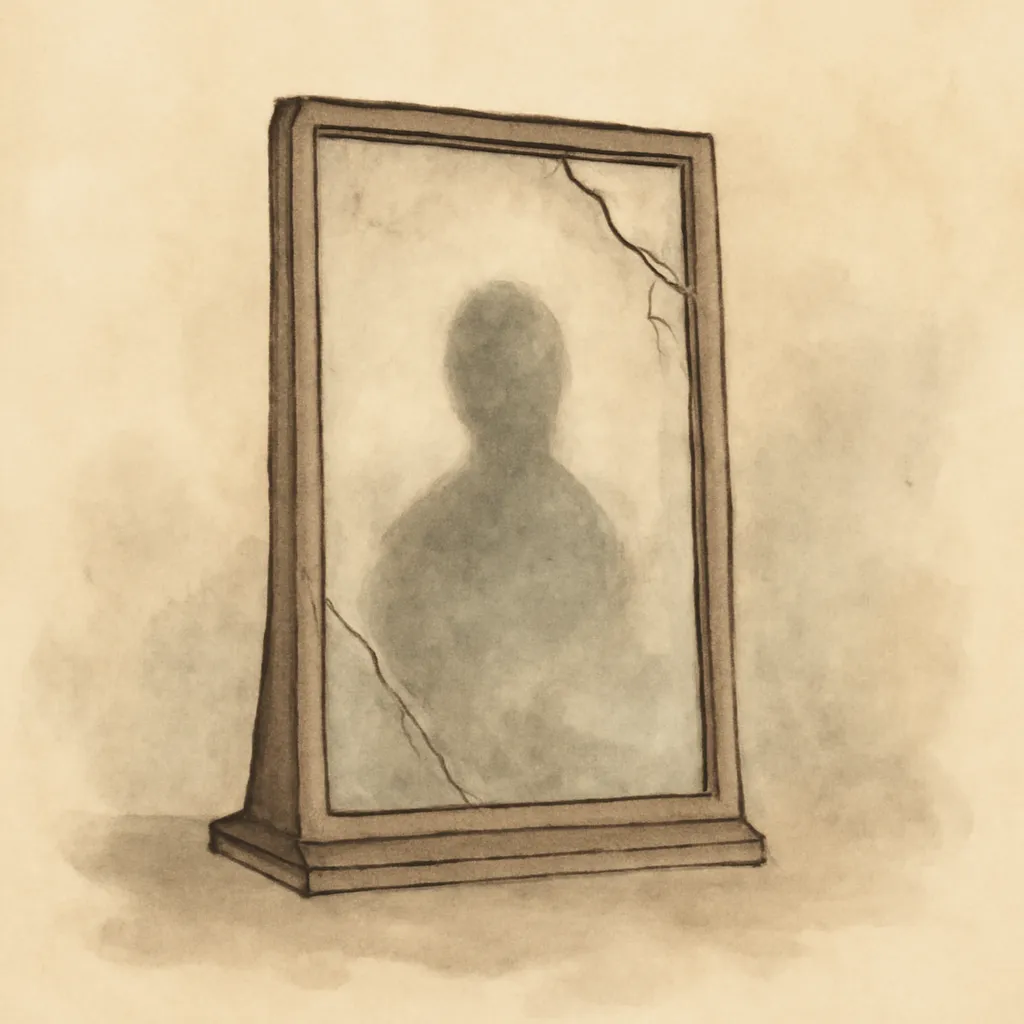
The supernatural elements in Christie's stories serve to heighten tension and delve into the characters' psyches. In 'The Shadow on the Glass', a haunting presence forces the protagonist to confront not just the specter itself but also the ghosts of his past decisions. This interplay between the supernatural and reality invites readers to contemplate the existence of forces beyond human understanding. Christie skillfully blends the ordinary with the extraordinary, making the reader question the reliability of perception. The eerie atmosphere created by these supernatural occurrences not only amplifies suspense but also acts as a mirror to the characters’ inner turmoil. The ambiguity surrounding Quin’s character—in particular, whether he is a literal ghost or a metaphorical one—further encapsulates the theme of mystery, making readers ponder what lies beneath the surface of everyday life.
4.Fate: An Inescapable Force
Fate plays a pivotal role in shaping the destinies of Christie's characters, often portrayed as a powerful, uncontrollable force that dictates the course of their lives. In 'The Voice in the Dark', the protagonist's struggle to escape his predetermined path highlights the futility of resisting fate. The narrative suggests that some events are destined to happen, regardless of one's actions or intentions. This portrayal of fate challenges the notion of free will, prompting readers to reflect on how much control we truly have over our lives. As characters grapple with their fates, they come to realize that acceptance is sometimes the only path forward. This resonates deeply, as it mirrors the human experience of facing uncertainties and the inevitability of life’s twists and turns. Ultimately, Christie invites readers to consider that while we may strive to alter our destinies, some outcomes are simply beyond our grasp.
5.The Power of Observation and Insight
Mr. Satterthwaite, often cast as the observer, exemplifies the critical role that observation and insight play in understanding human behavior. His acute awareness allows him to navigate complex social dynamics, revealing truths that others overlook. In 'The Dead Harlequin', Satterthwaite's keen observations lead him to untangle a web of deceit, showcasing how careful attention to detail can illuminate hidden motivations. This theme underscores the importance of introspection and encourages readers to consider the value of empathy and understanding in their interactions. Satterthwaite’s role as an observer also highlights that life is often more intricate than it appears at first glance. By emphasizing the significance of understanding others, Christie reinforces the idea that insight is a powerful tool for connection and resolution, suggesting that the answers we seek often lie within our perceptions of those around us.
6.Exploring the Duality of Love
The dual nature of love—its ability to inspire and to destroy—serves as a prominent theme throughout the stories. In 'The Face of Helen', the protagonist's love ignites a series of events that lead to both heartache and self-discovery. Christie portrays love as a force that can compel individuals to make significant sacrifices, often leading to profound consequences. This exploration of love's complexities reveals how it can drive people to act against their better judgment or, conversely, to achieve remarkable feats of courage and resilience. The characters' experiences illuminate the idea that love is not merely a source of happiness; it can also provoke jealousy, betrayal, and sacrifice. Christie's nuanced portrayal encourages readers to reflect on their relationships and the sacrifices they are willing to make for love, ultimately highlighting that genuine love often requires vulnerability and a willingness to face hardship.
7.Moral Ambiguity and Ethical Dilemmas
Christie's stories frequently navigate moral ambiguity, presenting characters with ethical dilemmas that challenge their conceptions of right and wrong. In 'Harlequin's Lane', the protagonist is thrust into a morally complex situation where his choices carry weighty consequences. This exploration of moral ambiguity encourages readers to ponder the complexities of ethical decision-making, suggesting that context plays a crucial role in determining what is 'right.' Christie adeptly crafts scenarios where the motivations of characters are multifaceted, and their actions cannot be easily categorized as good or bad. This theme reflects the intricacies of human nature, reminding us that our judgments are often colored by personal biases and circumstances. The narratives compel readers to question their own moral frameworks, highlighting that true understanding requires empathy and an acknowledgment of the shades of gray that exist in human behavior.
8.The Role of Secrets and Hidden Truths
Secrets are a driving force in Christie's narratives, often acting as the catalyst for conflict and resolution. In 'The Man from the Sea', the protagonist grapples with concealed truths that ultimately lead to a reckoning with his past. The weight of secrets illustrates how unspoken truths can fester, complicating relationships and shaping destinies. Christie's exploration of secrecy emphasizes that while keeping secrets may provide a sense of control, they often come at the cost of emotional well-being. The characters' struggles with their hidden burdens highlight the importance of honesty and transparency in fostering healthy relationships. This theme resonates with readers, prompting them to consider the impact of their own secrets and the potential liberation that comes from revealing the truth. By weaving secrets into her narratives, Christie underscores the idea that authentic connections are built on trust and openness.
9.The Past's Influence on the Present
The past looms large in the lives of Christie's characters, shaping their current realities and influencing their future decisions. In 'The World's End', for example, the protagonist's unresolved issues from his past haunt him, affecting his relationships and choices. Christie's portrayal of the past underscores the notion that unresolved grief or guilt can manifest in destructive ways. The characters’ journeys often involve confronting their histories to find a path toward healing and redemption. This theme resonates deeply, suggesting that acknowledging the past is crucial for personal growth. Readers are reminded that our experiences shape who we are, and that understanding our histories can empower us to make more informed choices moving forward.
10.Life's Enigmatic Mysteries
The unpredictability of life and the mysteries it holds are central to Christie's storytelling. In 'The World's End', characters grapple with the unexpected twists that life presents, often leading to profound revelations. Christie's narratives suggest that reality is a complex tapestry, with each event influencing the others in ways that may not be immediately apparent. This theme invites readers to embrace the uncertainties of existence, encouraging a sense of wonder and curiosity about the world around them. The enigmatic nature of life serves as a reminder that, while we may seek control and understanding, some mysteries are meant to remain unsolved. This acceptance of life's unpredictability enriches the human experience, reinforcing the idea that the questions we grapple with are often as significant as the answers we seek.