1.The Setting: A Journey of Opulence
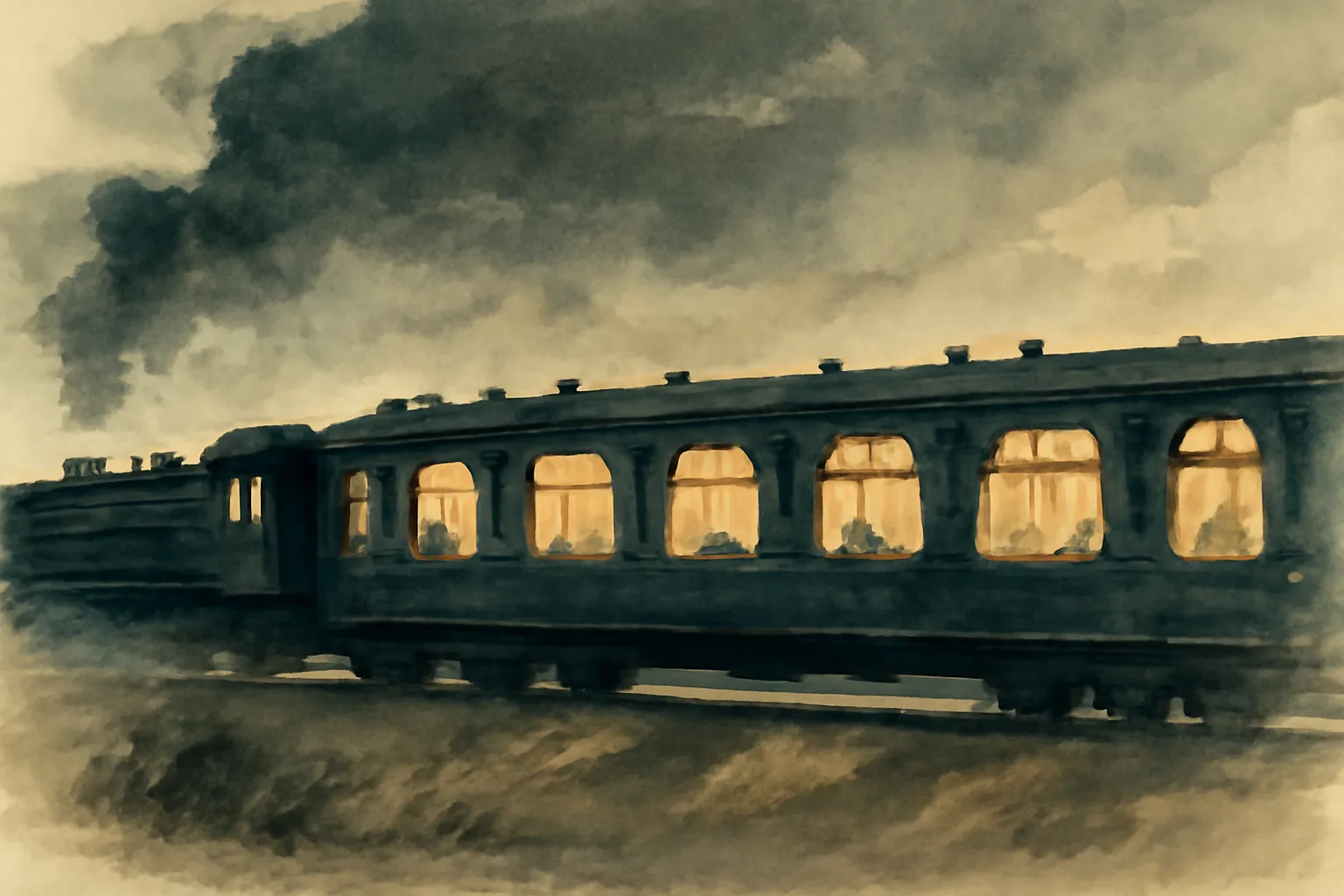
The Blue Train, a luxurious train traveling from Calais to Nice, serves as a mesmerizing backdrop for the unfolding drama. This opulent setting not only highlights the wealth and status of the characters but also creates a sense of intimacy and confinement that is essential for a murder mystery. The train, with its plush compartments and dining cars, represents both the allure of high society and the hidden dangers that lie within. As characters move through the train, the physical space becomes a metaphor for the intricate web of relationships and secrets that will ultimately lead to tragedy. The contrast between the glamorous lifestyle and the dark undercurrents of betrayal enhances the tension throughout the narrative, making the train itself a character in its own right.
2.Rufus Van Aldin: The Protective Father
Rufus Van Aldin, a millionaire with a stern demeanor, is deeply concerned about his daughter Ruth’s well-being. His character embodies the archetype of the protective father, willing to go to great lengths to shield his daughter from harm. Van Aldin's wealth allows him access to resources and connections, but it is his emotional investment in Ruth that drives him to seek justice after her murder. As the story unfolds, his interactions with various characters reveal his complex nature—he is both powerful and vulnerable, showcasing the dualities of wealth and paternal love. Van Aldin's determination to uncover the truth leads him to enlist the help of Hercule Poirot, emphasizing the theme of familial loyalty amidst a backdrop of deceit and betrayal.
3.Ruth Kettering: The Tragic Victim
Ruth Kettering, the victim whose murder propels the narrative, is portrayed as a young woman caught in a tumultuous web of relationships. Her character represents the struggles of women in a patriarchal society, as she grapples with her independence and the expectations placed upon her. Ruth's affair with the enigmatic dancer Mirelle and her marriage to Derek Kettering illustrate her quest for love and acceptance, yet it also leads her down a path of peril. The complexity of her character adds depth to the story, as readers come to understand her motivations and desires. Ruth's tragic fate serves as a catalyst for the events that unfold, prompting questions about the nature of love, loyalty, and the consequences of one's choices.
4.Derek Kettering: The Unfaithful Husband
Derek Kettering, Ruth's husband, is depicted as a charming yet morally ambiguous character. His infidelity and association with Mirelle create a sense of suspicion around his involvement in Ruth's death. Derek's character embodies the theme of betrayal, as he navigates his relationships with both Ruth and Mirelle while trying to maintain his social status. His interactions with other characters reveal a man torn between desire and responsibility, ultimately leading to a series of choices that have dire consequences. As the investigation unfolds, Derek's actions and motivations come under scrutiny, challenging the perceptions of loyalty and trust within marriage. His character arc serves as a critical component in exploring the complexities of human relationships and the darkness that can lurk beneath seemingly glamorous lives.
5.Mirelle: The Dancer and Catalyst
Mirelle, the seductive dancer, plays a pivotal role in the narrative as both a love interest and a source of conflict. Her relationship with Derek Kettering introduces an element of danger and passion that complicates the already fraught dynamics between the characters. Mirelle's allure captivates Derek, drawing him away from Ruth and into a world of intrigue and temptation. However, her character also reflects the societal pressures faced by women who seek independence and agency. As the story progresses, Mirelle's motivations and loyalties come into question, highlighting the themes of desire, power, and betrayal. Her presence in the narrative serves as a reminder of the potential consequences of passion and the lengths individuals will go to for love.
6.Hercule Poirot: The Master Detective
Hercule Poirot, Christie's iconic detective, is called upon to unravel the mystery surrounding Ruth Kettering's murder. His meticulous attention to detail and logical reasoning set him apart as a master of deduction, allowing him to navigate the complex web of lies and deceit that envelops the characters. Poirot's character is defined by his sharp intellect and unique perspective on human behavior, as he often observes the subtleties of social interactions that others overlook. His interactions with Rufus Van Aldin and other characters reveal his ability to empathize while remaining detached, allowing him to analyze situations without bias. Poirot's journey to uncover the truth reflects the broader themes of justice, morality, and the quest for understanding in a world filled with ambiguity.
7.The Role of Class and Society
Throughout 'The Mystery of the Blue Train,' Agatha Christie explores the intricacies of class and societal expectations. The characters' interactions highlight the tensions that arise from their differing social standings, as well as the pressures they face to conform to societal norms. Rufus Van Aldin's wealth affords him certain privileges, yet it also isolates him from the realities faced by others, including his daughter Ruth. The contrast between the opulence of the Blue Train and the hidden struggles of its passengers underscores the theme of appearances versus reality. As the investigation unfolds, characters are forced to confront their own prejudices and assumptions about class, leading to revelations about their true identities and motivations. Christie's critique of societal norms invites readers to reflect on the impact of class on relationships and individual choices.
8.Betrayal and Deceit: The Heart of the Mystery
At its core, 'The Mystery of the Blue Train' is a tale of betrayal and deceit, weaving together the lives of characters who are not what they seem. The murder of Ruth Kettering acts as a catalyst for uncovering the hidden truths and secrets that lie beneath the surface of each character's life. As Poirot investigates, he reveals the layers of deception that have been constructed, challenging the characters' perceptions of loyalty and trust. The theme of betrayal is prevalent in the relationships between Ruth, Derek, and Mirelle, as well as in the dynamics between Van Aldin and his daughter. Christie's narrative compels readers to consider the motivations behind betrayal and the consequences that arise from deceit, ultimately leading to a deeper understanding of human nature and the complexities of relationships.
9.Justice and Morality: The Quest for Truth
The quest for justice is a driving force in 'The Mystery of the Blue Train,' as Rufus Van Aldin and Hercule Poirot seek to uncover the truth behind Ruth Kettering's murder. The narrative raises important questions about morality, justice, and the lengths individuals will go to protect their loved ones. Van Aldin's determination to find the murderer reflects a father's love and the desire for retribution, while Poirot's investigation embodies the principles of justice and the pursuit of truth. As the story unfolds, characters are faced with moral dilemmas that challenge their beliefs and values, prompting them to confront their own complicity in the events that transpired. Christie's exploration of justice invites readers to reflect on the complexities of right and wrong, ultimately emphasizing the importance of accountability and the quest for understanding in a morally ambiguous world.
10.The Unraveling of Secrets: A Climactic Revelation
As the investigation reaches its climax, the unraveling of secrets becomes a pivotal moment in the narrative. Poirot's keen observations and deductions lead him to reveal the true nature of the relationships between the characters, culminating in a dramatic confrontation. The tension builds as hidden motives are exposed, and the interconnectedness of the characters' lives comes to light. This unraveling serves as a powerful reminder of the consequences of deceit and betrayal, as well as the fragility of trust. The climactic revelation not only provides answers to the mystery but also forces the characters to confront their own actions and the impact they have had on one another. Christie's masterful storytelling highlights the intricacies of human relationships and the profound effects of choices made in the name of love, lust, and ambition.