1.The Allure of Innocence
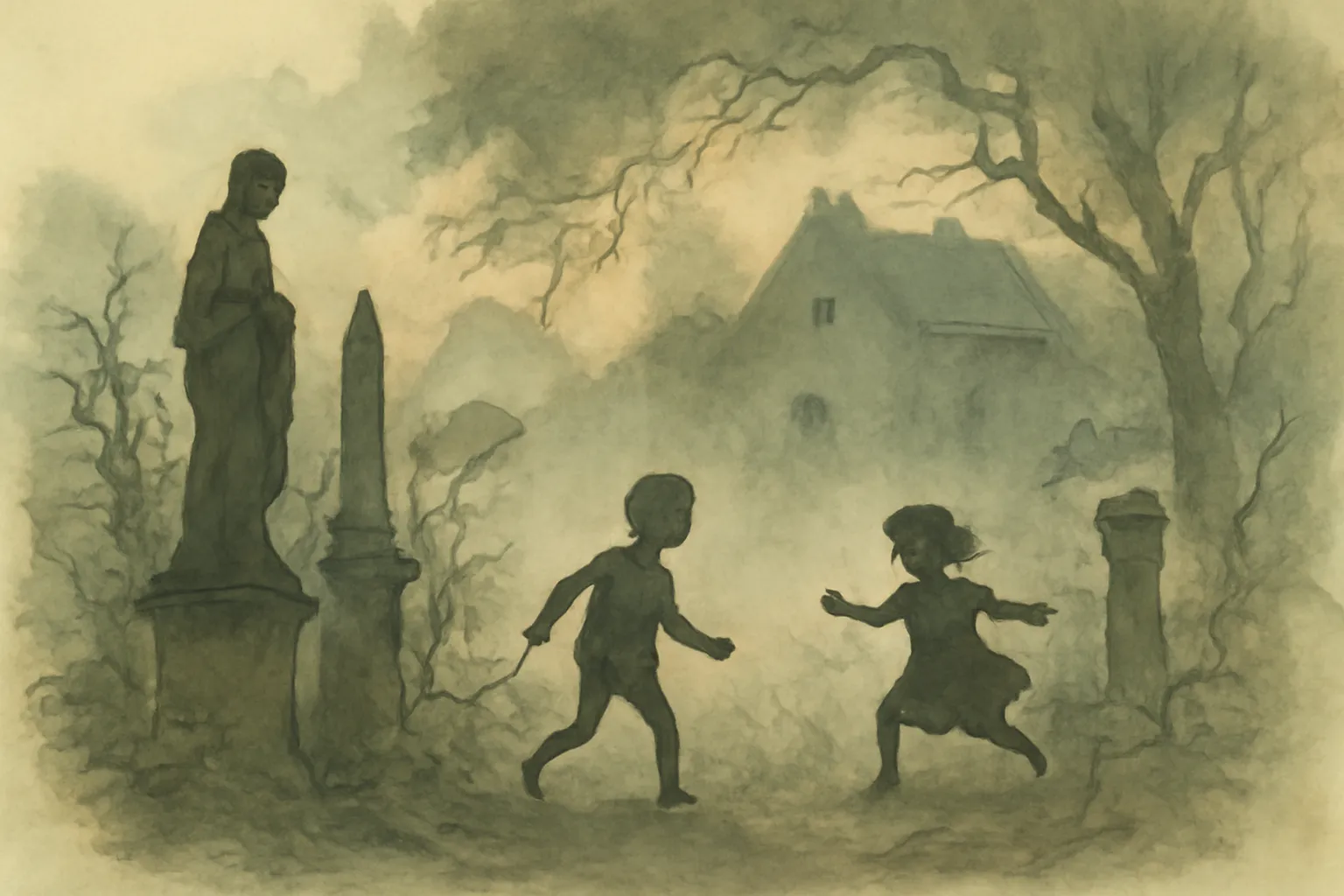
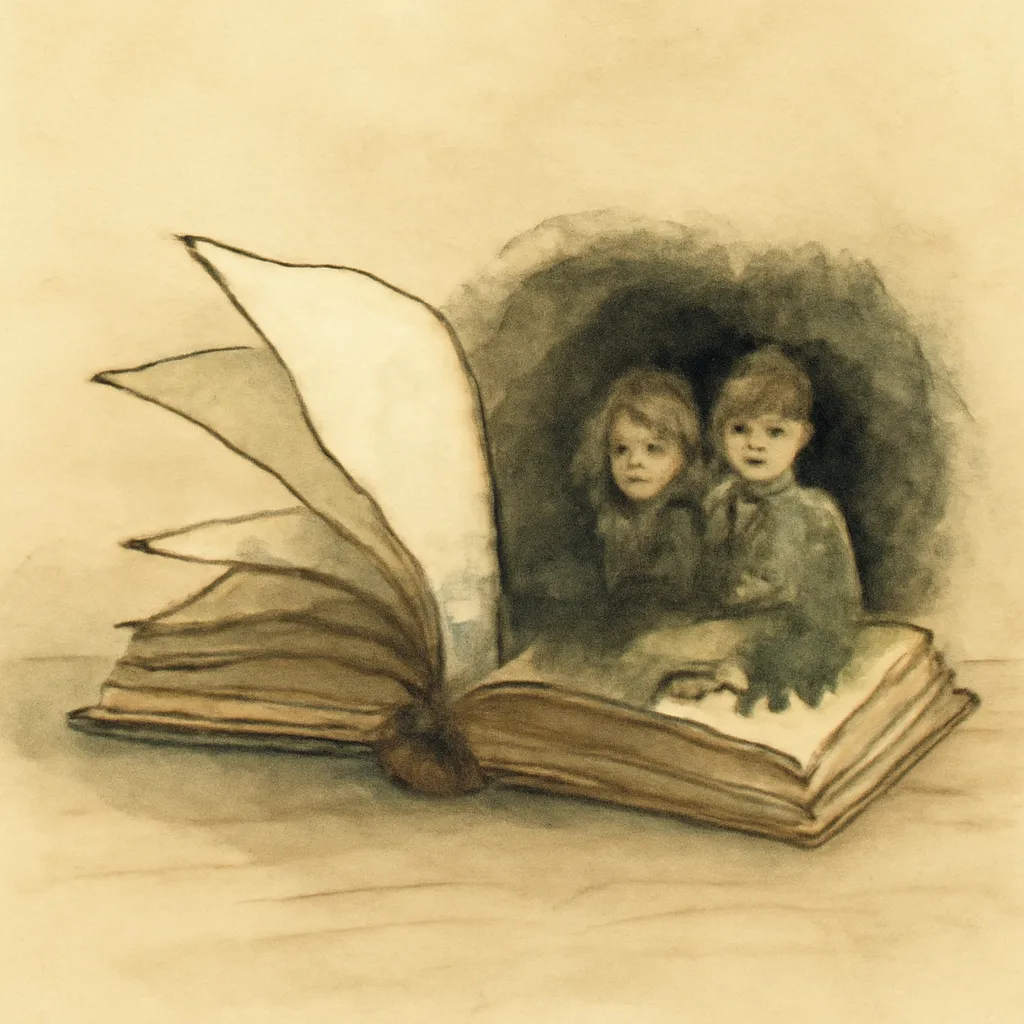
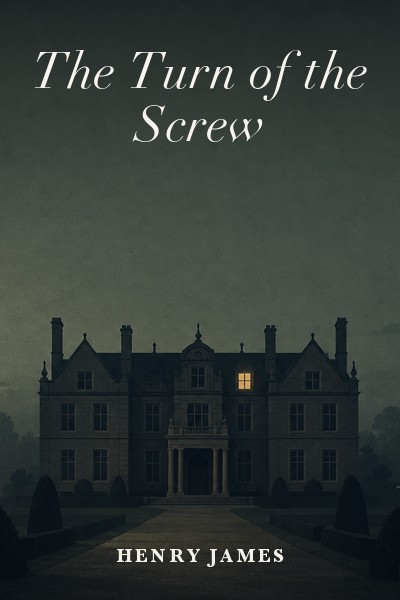
The initial impressions of Flora and Miles reveal a captivating innocence that enthralls the governess. Their beauty and charm are depicted as almost otherworldly, creating an immediate bond between the children and their caretaker. This innocence serves as a double-edged sword, highlighting their vulnerability to external corruption. The governess's infatuation with the children's purity blinds her to the potential dangers lurking in the shadows, including the dark history of Bly. As the narrative progresses, the children’s innocence is juxtaposed with their increasing exposure to the supernatural, creating a tension that questions whether true innocence can survive in a world tainted by evil. This exploration serves to remind readers that innocence is not merely a trait but a condition that can easily be violated, pushing the characters and the audience to grapple with the fragility of childhood.
2.The Power of the Supernatural
The apparitions of Peter Quint and Miss Jessel are pivotal elements in the narrative, representing the haunting past that refuses to be forgotten. These specters are not merely supernatural beings but manifestations of the characters' unresolved traumas and moral failures. The governess's encounters with them force her to confront her own fears and insecurities, blurring the lines between reality and imagination. Each ghostly appearance serves as a catalyst for the governess's descent into paranoia, as she struggles to protect the children from influences she cannot fully comprehend. The supernatural elements amplify the psychological tension and suggest that the real horrors lie not just in the ghosts themselves but in the secrets they embody. This interplay between the supernatural and the psychological invites readers to consider how past traumas linger, influencing present realities and relationships.
3.The Complexity of Adult Relationships
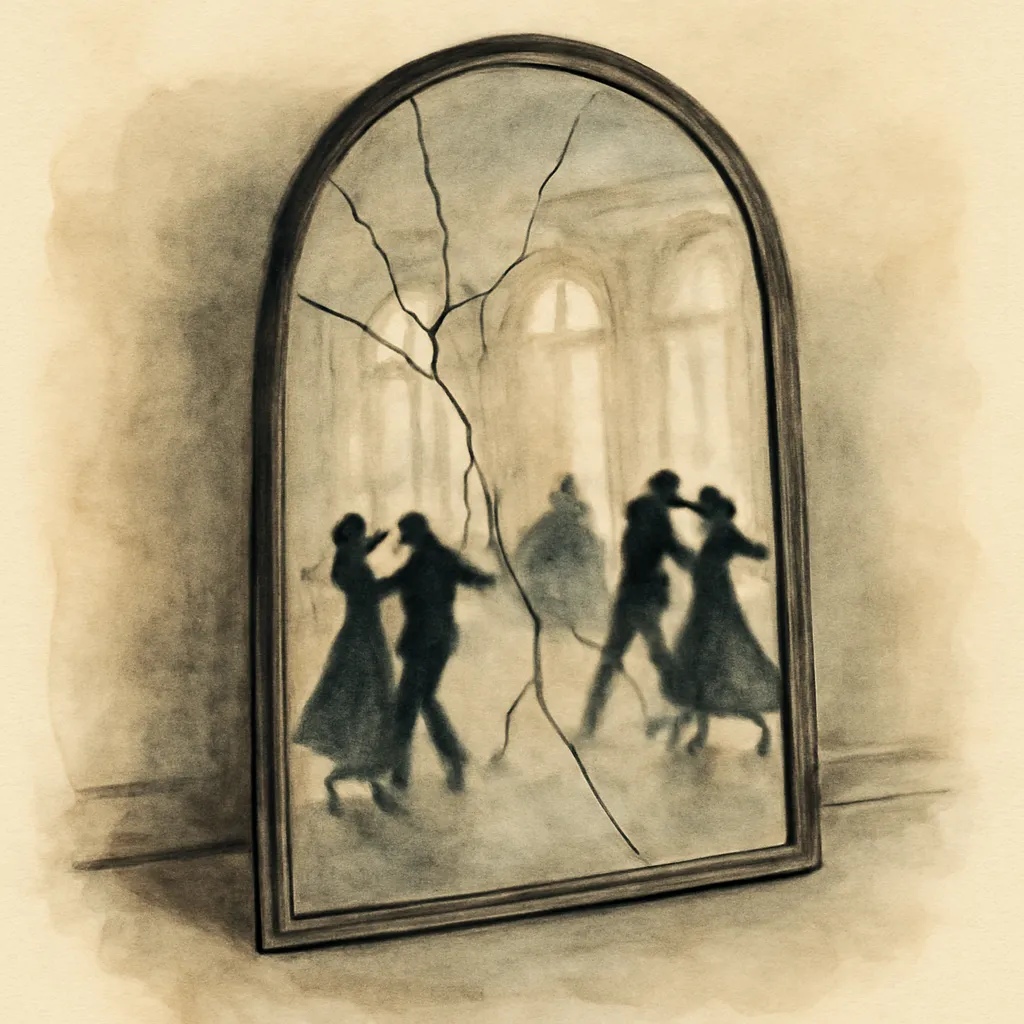
The dynamics between the adults in the story—particularly the governess, the uncle, and the ghosts—reveal a complex web of relationships fraught with unspoken tensions and moral ambiguities. The governess's relationship with the children's uncle is marked by a power imbalance, as she is both dependent on him for her position and deeply invested in the care of his wards. This dependency complicates her perception of him, as she grapples with feelings of admiration and resentment. The presence of the ghosts adds another layer to this dynamic; they symbolize the uncle's neglect and the consequences of his past actions. The narrative suggests that adult relationships are often shadowed by hidden motives and unresolved issues, complicating notions of trust and loyalty. As the governess navigates these relationships, her growing isolation and perceptions of betrayal increase her vulnerability, showing how the weight of adult expectations can suffocate innocence.
4.The Nature of Evil
James's narrative poses challenging questions about the nature of evil and its manifestation in both children and adults. The governess initially perceives the children as innocent, but as the story progresses, she begins to suspect that their innocence may be a façade concealing darker tendencies. The ghosts embody the moral decay that exists within the estate, leading the governess to confront the unsettling possibility that evil can be inherent even in seemingly pure beings. This exploration of evil raises profound questions about free will, responsibility, and the extent to which individuals can be held accountable for their actions or the actions of others. By portraying evil as both a corruptive force and a part of human nature, the narrative encourages readers to reflect on the complexities of morality and the potential for darkness that resides within us all.
5.The Role of the Governess
The governess occupies a unique position as both protector and observer, navigating her dual roles with increasing tension and uncertainty. Her initial zeal to protect the children from the perceived threats of the ghosts gradually transforms into a desperate struggle for control as she realizes that her efforts may be futile. Her relationship with the children further complicates her role; she is deeply invested in their welfare yet remains an outsider in their world. This isolation amplifies her psychological turmoil as she grapples with her growing paranoia and the children's enigmatic behavior. The governess’s struggle illustrates the precarious balance between authority and empathy, demonstrating how the pressure to protect can lead to overwhelming fear and anxiety. As she becomes increasingly burdened by her responsibility, her mental stability deteriorates, showcasing the psychological toll of her role.
6.The Influence of Setting
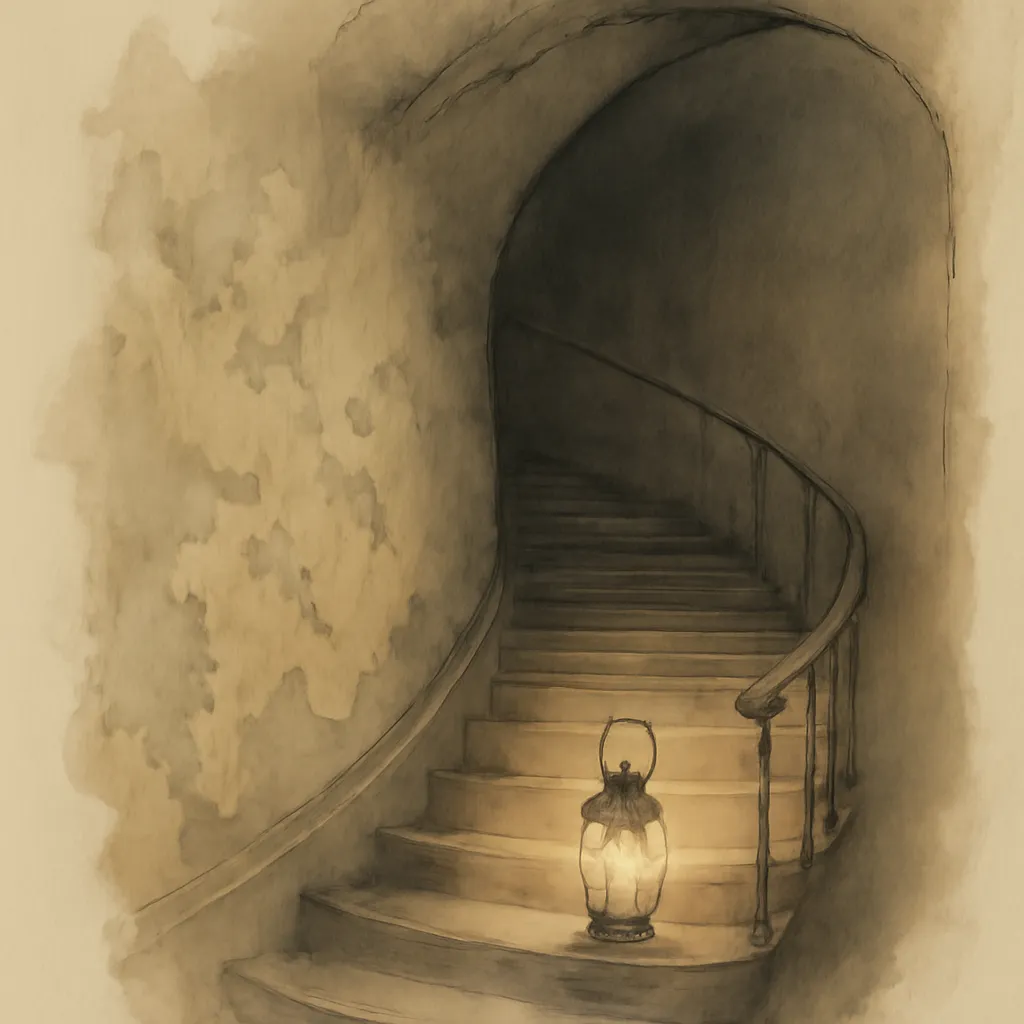
The decaying estate of Bly serves as a character in its own right, influencing the events of the narrative and reflecting the psychological states of its inhabitants. The physical environment—its isolation, beauty, and decay—mirrors the internal struggles of the governess and the children, creating a palpable sense of unease. The estate's grandeur juxtaposed with its dilapidation symbolizes the tension between innocence and corruption, beauty and horror. Each room and corridor of Bly holds a specter of the past, emphasizing the theme of memory and its weight on the present. As the governess explores the grounds, her encounters with the ghosts are intricately tied to the estate's various locations, suggesting that the setting is imbued with the memories and traumas of those who have lived there. This connection between setting and character underscores the idea that environments can shape experiences and perceptions, influencing the actions and emotions of those who dwell within them.
7.Silence and Secrets
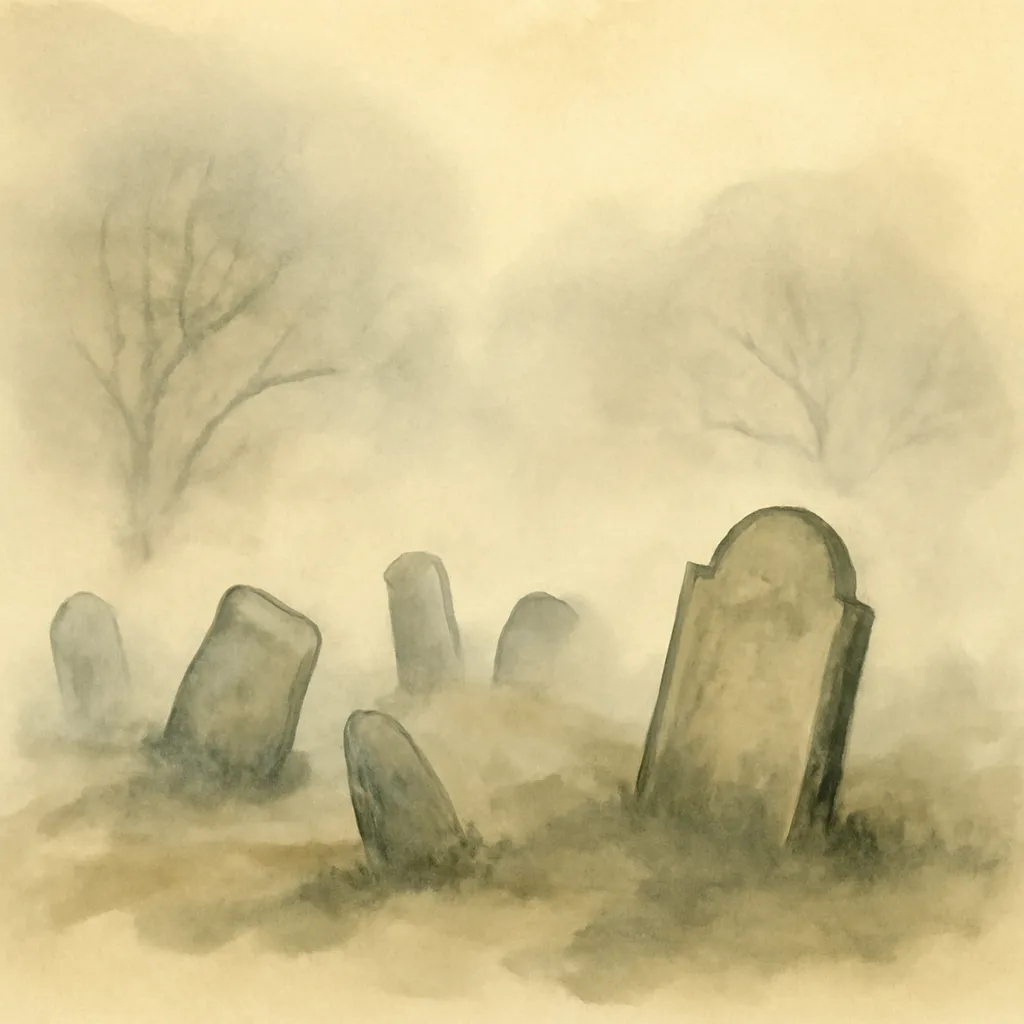
The pervasive silence surrounding the children's past and the events at Bly creates an atmosphere of tension and foreboding. The governess's attempts to uncover the truth are met with resistance, both from the children and from Mrs. Grose, who is aware of the dark history but remains tight-lipped. This silence fosters an environment ripe for misunderstanding and misinterpretation, as the governess grapples with her growing paranoia and fears. The secrets that linger in the shadows of Bly ultimately serve to isolate the governess further, leaving her to navigate the unknown without guidance or support. This theme of silence and secrets emphasizes the dangers of unspoken truths and the impact they can have on relationships and perceptions. The communication breakdown between the governess and other characters, including her pupils, exemplifies how silence can breed suspicion and anxiety and suggests that the failure to confront the past can lead to disastrous consequences.
8.The Fragility of Childhood
The portrayal of Miles and Flora highlights the fragility of childhood and the impact of adult actions on their development. The children, despite their outward charm and innocence, are deeply affected by the ghosts of their past, which manifest in subtle, unsettling ways. Their interactions with the governess reveal a complex emotional landscape, as they navigate their own fears and the expectations placed upon them by adults. This fragility is underscored by the governess's protective instincts, which become increasingly desperate as she realizes the extent of the children's exposure to malevolent forces. The narrative ultimately suggests that the preservation of childhood innocence is a delicate endeavor, easily disrupted by the darker aspects of adult life. As the children grapple with their own understanding of the supernatural and its implications, their innocence becomes a battleground for the forces of good and evil.
9.The Unreliability of Perception
James's narrative raises questions about the reliability of perception and the subjective nature of reality. The governess's experiences are colored by her fears and biases, leading her to interpret events in a way that may not align with the truth. This unreliability is particularly evident in her interactions with the children, as she grapples with her growing paranoia and the influence of the supernatural. The ambiguity surrounding the ghosts and their intentions complicates the governess's ability to discern reality from imagination. This theme of perception invites readers to consider how personal experiences and emotions shape one's understanding of the world, emphasizing the complexities of human consciousness. By challenging the notion of an objective reality, the story forces readers to reflect on how much of human experience is subjective, colored by individual fears, desires, and interpretations.
10.The Consequences of Isolation
The isolation experienced by the governess and the children at Bly serves as a catalyst for the unfolding drama. Removed from the outside world, the characters are forced to confront their inner demons and the haunting presence of the past. This isolation amplifies the psychological tension, as the governess grapples with her fears and the children's enigmatic behavior. The absence of external influences creates an environment where the characters are left to navigate their own moral and emotional landscapes, often leading to destructive outcomes. The story showcases how isolation can distort perceptions, exacerbate fears, and lead to paranoia. As the governess becomes increasingly consumed by her thoughts, the narrative underscores the importance of social connection and communication in overcoming personal struggles, illustrating how isolation can lead to tragic consequences for both the individual and those around them.