1.The Role of Education and Knowledge
In Utopia, education is paramount, and all citizens are encouraged to engage in learning from a young age. Unlike the rigid educational structures of More's time, Utopians prioritize understanding over rote memorization. They teach children in their native tongue, ensuring that knowledge is accessible and relevant. This focus on education fosters a society where individuals are not only knowledgeable but also capable of critical thinking and innovation. Utopians also believe that wisdom and virtue are cultivated through study, leading to a populace that values intellectual pursuits over material wealth. This educational philosophy contrasts sharply with the elite's disdain for the common people's education in More's England, highlighting the transformative potential of learning.
2.Economic Equality and Abolition of Private Property
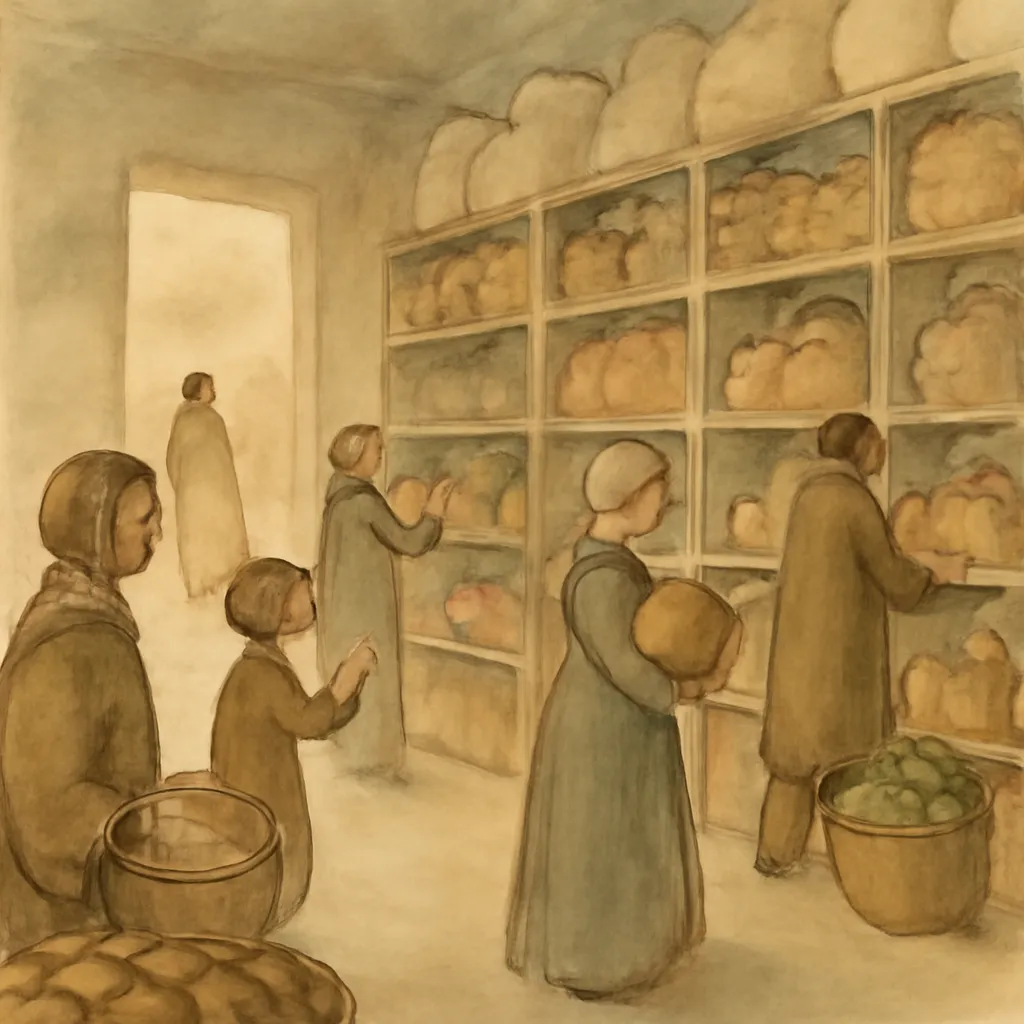
A cornerstone of Utopian society is the abolition of private property, which More argues leads to greed, crime, and social strife. In Utopia, all goods are held in common, and citizens take only what they need from communal stores. This economic model eliminates poverty and reduces the motivation for theft, as no one lacks the essentials for a dignified life. The Utopians believe that when resources are shared, the fear of want disappears, fostering a spirit of cooperation and mutual support. This idea serves as a direct critique of the capitalist systems of More's time, where wealth accumulation often came at the expense of the less fortunate. By prioritizing communal ownership, Utopia seeks to create a society free from the anxieties and inequalities that plague traditional economies.
3.The Just Treatment of Criminals
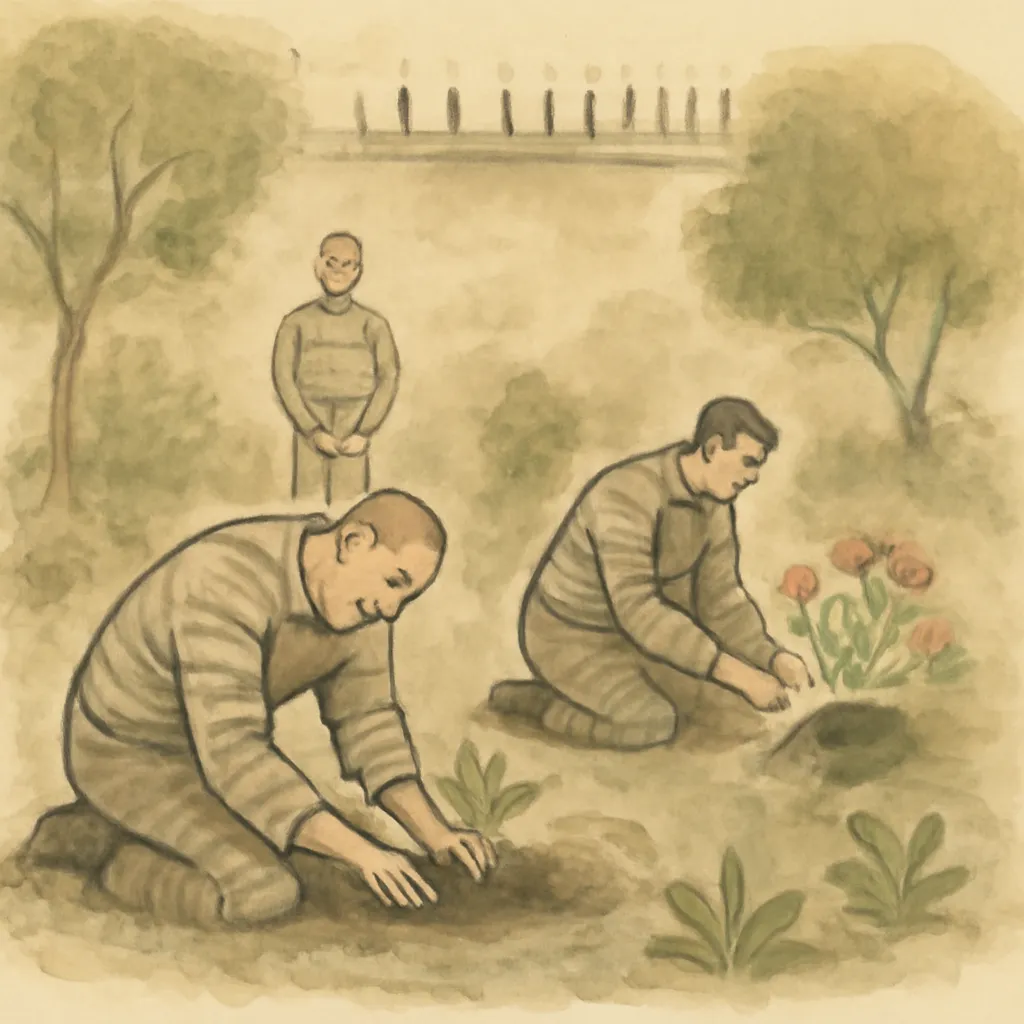
More's Utopia presents a progressive approach to crime and punishment, advocating for rehabilitation over retribution. Instead of harsh penalties, Utopians focus on understanding the root causes of criminal behavior, often stemming from poverty and lack of opportunity. For instance, rather than executing thieves, Utopians employ methods that encourage offenders to reintegrate into society, emphasizing restoration over punishment. This perspective challenges the brutal justice systems of More's England, where severe punishments were commonplace. By treating criminals with compassion and providing them with the means to change, Utopia illustrates a more humane approach to justice that could lead to a reduction in crime rates and a healthier society.
4.Government of the People, by the People, for the People
Utopian governance is characterized by its democratic nature, where leaders are chosen based on merit rather than birthright or wealth. Each city elects representatives, known as Syphogrants, who are accountable to the people. This system promotes transparency and prevents corruption, as leaders cannot exploit their positions without facing consequences. Utopians believe that a government should serve the common good, prioritizing the welfare of all citizens over the interests of a select few. More's depiction of this ideal contrasts sharply with the often tyrannical and self-serving rulers of his time, advocating for a political structure that empowers ordinary people and fosters civic engagement.
5.The Importance of Community and Shared Values
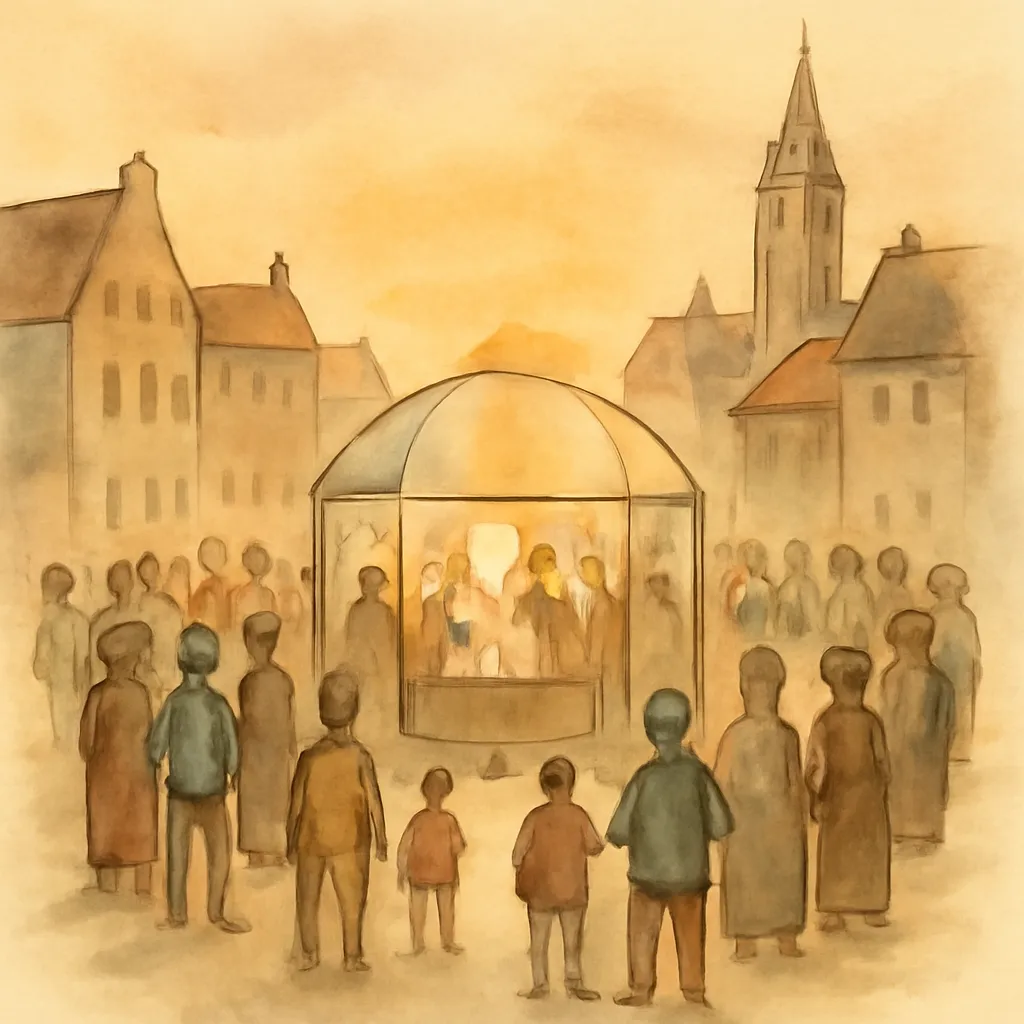
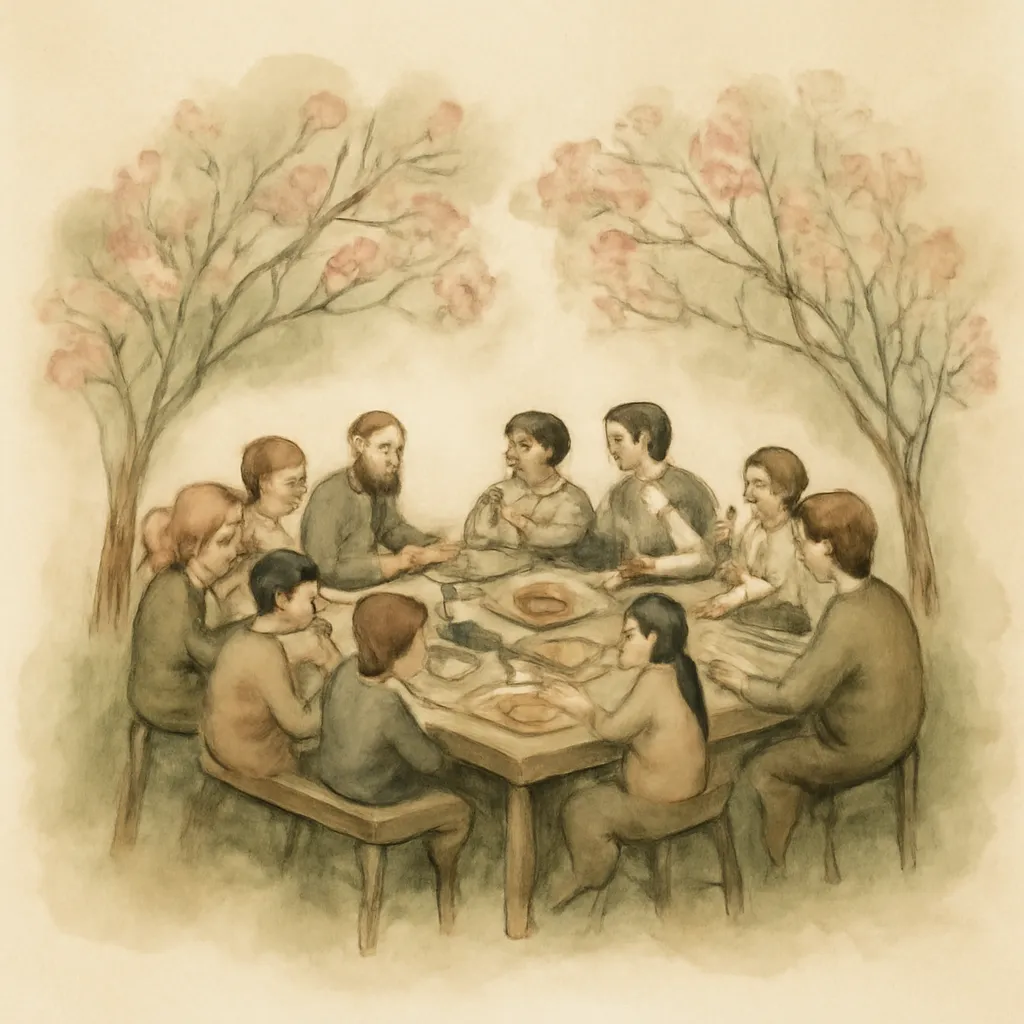
Central to Utopian life is the concept of community, where individuals prioritize collective well-being over individual desires. Utopians live in extended families, sharing responsibilities and resources, which cultivates a strong sense of belonging and mutual care. They gather regularly for communal meals, reinforcing social bonds and creating a culture of cooperation. This emphasis on community extends to their decision-making processes, where consensus is valued over individual authority. More critiques the isolation and self-interest prevalent in contemporary society, suggesting that true happiness and fulfillment arise from shared experiences and common goals. Utopia serves as a model for societies seeking to foster stronger community ties and social cohesion.
6.Rethinking War and Militarism
Utopians approach war with a critical eye, recognizing its destructive nature and the moral implications of violence. They hire mercenaries for warfare, believing that it is more ethical to send those who are willing to risk their lives for profit rather than forcing their own citizens into battle. This perspective challenges the glorification of military might and questions the necessity of war altogether. By advocating for a more humane approach to conflict, Utopia urges readers to consider alternatives to violence and to seek peaceful resolutions. More’s vision of a society that values diplomacy and cooperation over aggression remains relevant in contemporary discussions about war and international relations.
7.Health and Wellbeing as Central Values
In Utopia, health is regarded as one of the highest goods, with a holistic approach to wellness that encompasses both physical and mental well-being. Utopians prioritize healthy living, with access to nutritious food and clean environments. They believe that true happiness is derived from health, rather than indulgence in sensory pleasures. This perspective on health as a communal responsibility challenges the individualistic approaches often seen in modern societies. By ensuring that every citizen has access to the resources needed for a healthy life, Utopia illustrates how public health can enhance overall happiness and productivity, inviting readers to reflect on their own societal values surrounding health and wellness.
8.Critique of Superstition and Superficial Beliefs
Utopians are characterized by their rational approach to spirituality, rejecting superstitions and vain beliefs that often plague other societies. They revere genuine miracles and recognize the importance of the divine in their lives, yet they do not allow unfounded beliefs to dictate their actions. This critical stance on superstition encourages a culture of inquiry and skepticism, fostering a society that values reason and evidence over blind faith. More's critique of the superstitions prevalent in his own time serves as a reminder of the dangers of dogma and the importance of critical thinking in spiritual matters. By promoting a rational approach to belief, Utopia advocates for a society that seeks truth rather than being swayed by unfounded fears and anxieties.
9.The Value of Virtue Over Material Wealth
In Utopia, virtue is prized above all, with citizens encouraged to cultivate moral character and ethical behavior. Utopians believe that true happiness comes from living a virtuous life rather than accumulating wealth or status. They view the pursuit of material possessions as a source of conflict and discontent, advocating instead for a lifestyle focused on honesty, integrity, and service to others. This emphasis on virtue challenges the materialistic values of More's contemporary society, where wealth often equates to power and respect. By illustrating a society that values character over currency, Utopia invites readers to reconsider their own priorities and the true sources of fulfillment.