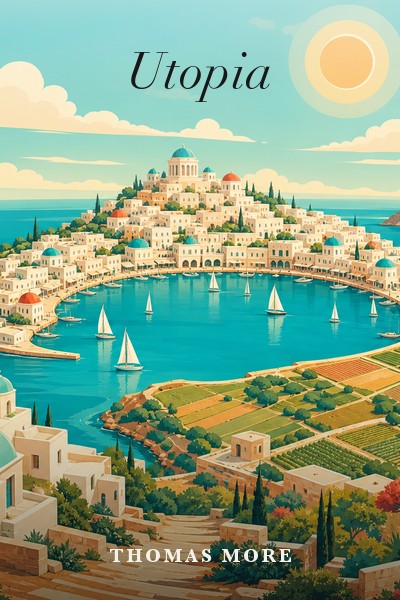

A traveler describes an ideal island society — a witty, radical inquiry into justice, property, and the good state.
Read full overviewShow less›
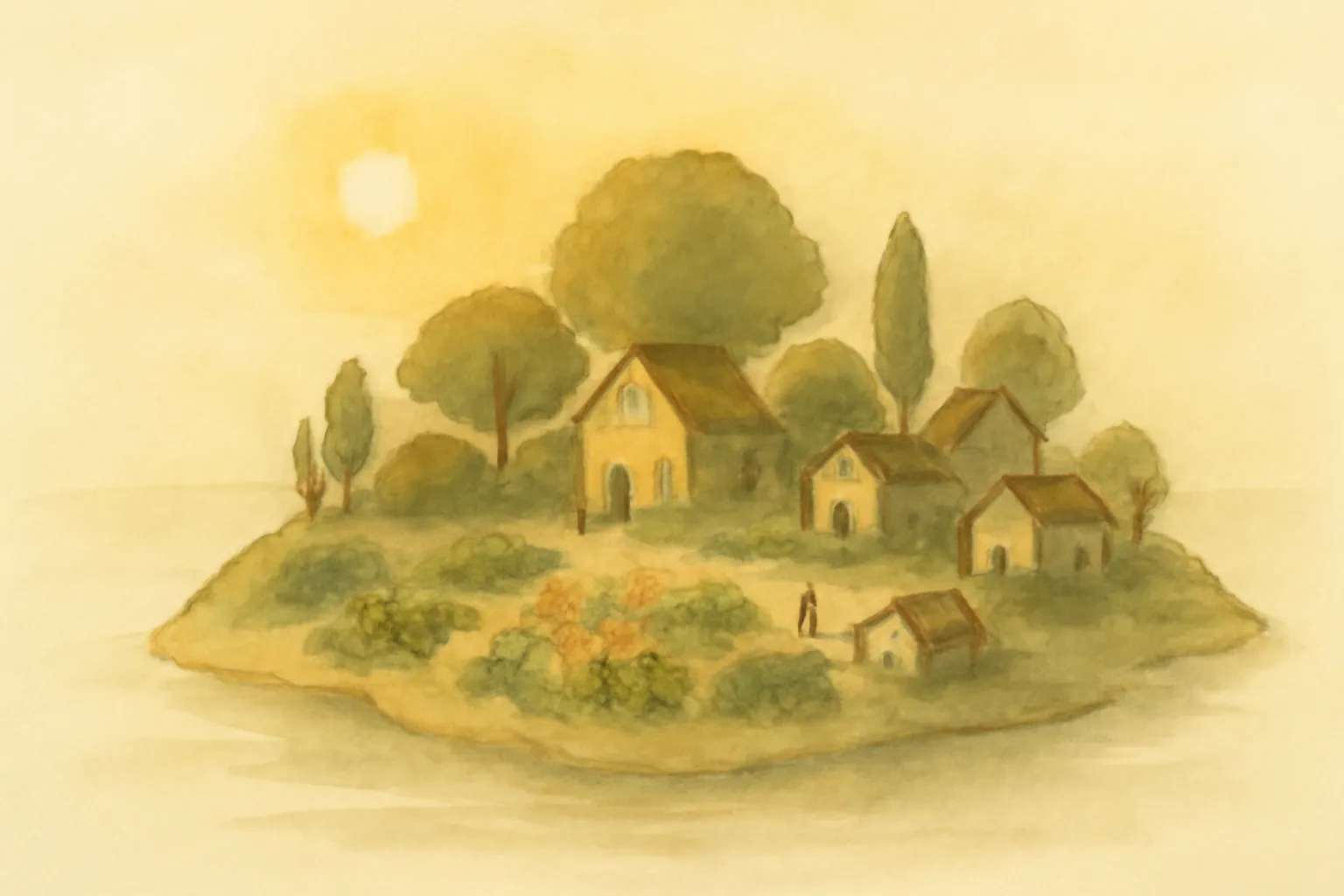
Thomas More's 'Utopia' presents a thought-provoking exploration of an ideal society, contrasting sharply with the political and social realities of 16th-century England. Through a fictional dialogue, More critiques contemporary governance, wealth disparity, and social injustices while proposing a radical alternative. The narrative unfolds as a travelogue to the fictional island of Utopia, where communal living, shared resources, and enlightened governance pave the way for a harmonious existence. Readers are encouraged to reflect on the implications of these ideas within their own context, challenging the norms of their societies. Ultimately, 'Utopia' serves as both a critique of the status quo and an invitation to imagine a more equitable future.
Thomas More's 'Utopia' serves as a powerful critique of the social, political, and economic structures of his time, offering a vision of a more just and equitable society. By challenging readers to reflect on their own beliefs and practices, More invites a critical examination of the status quo and the potential for transformation. The ideas presented in Utopia continue to resonate today, urging us to envision a world where cooperation, compassion, and community prevail over greed and division. Ultimately, More's work is a timeless call to action, inspiring generations to strive for a better future through thoughtful dialogue and collective effort.
- 1The Role of Education and Knowledge
- 2Economic Equality and Abolition of Private Property
- 3The Just Treatment of Criminals
- 4Government of the People, by the People, for the People
- 5The Importance of Community and Shared Values
A glimpse inside

In Utopia, education is paramount, and all citizens are encouraged to engage in learning from a young age. Unlike the rigid educational structures of More's time, Utopian… Read moreIn Utopia, education is paramount, and all citizens are encouraged to engage in learning from a young age. Unlike the rigid educational structures of More's time, Utopians prioritize understanding over rote memorization. They teach children in their native tongue, ensuring that knowledge is accessible and relevant. This focus on education fosters a society where individuals are not only knowledgeable but also capable of critical thinking and innovation. Utopians also believe that wisdom and virtue are cultivated through study, leading to a populace that values intellectual pursuits over material wealth. This educational philosophy contrasts sharply with the elite's disdain for the common people's education in More's England, highlighting the transformative potential of learning. Show less
A cornerstone of Utopian society is the abolition of private property, which More argues leads to greed, crime, and social strife. Read moreA cornerstone of Utopian society is the abolition of private property, which More argues leads to greed, crime, and social strife. In Utopia, all goods are held in common, and citizens take only what they need from communal stores. This economic model eliminates poverty and reduces the motivation for theft, as no one lacks the essentials for a dignified life. The Utopians believe that when resources are shared, the fear of want disappears, fostering a spirit of cooperation and mutual support. This idea serves as a direct critique of the capitalist systems of More's time, where wealth accumulation often came at the expense of the less fortunate. By prioritizing communal ownership, Utopia seeks to create a society free from the anxieties and inequalities that plague traditional economies. Show less
Read the full text — free
About the author
Read Thomas More's work free on Lumina — the complete text plus an 8-minute summary and key ideas, no account needed.
Frequently asked
Worlds to get lost in
Take Lumina everywhere
Read offline, listen to AI summaries, speed-read, and sync your progress across devices — free on iPhone.
Download for iPhone