Fiction · Psychology · Short Reads
The Gambler by Fyodor Dostoevsky — Summary, Key Ideas & Full Text
200 pages17 chapters4h 1m read2h 51m speed read✦ 9-min Big ideasFree · no account
Rate it
The Gambler unveils the intoxicating and destructive allure of gambling through the lens of obsession, love, and social dynamics
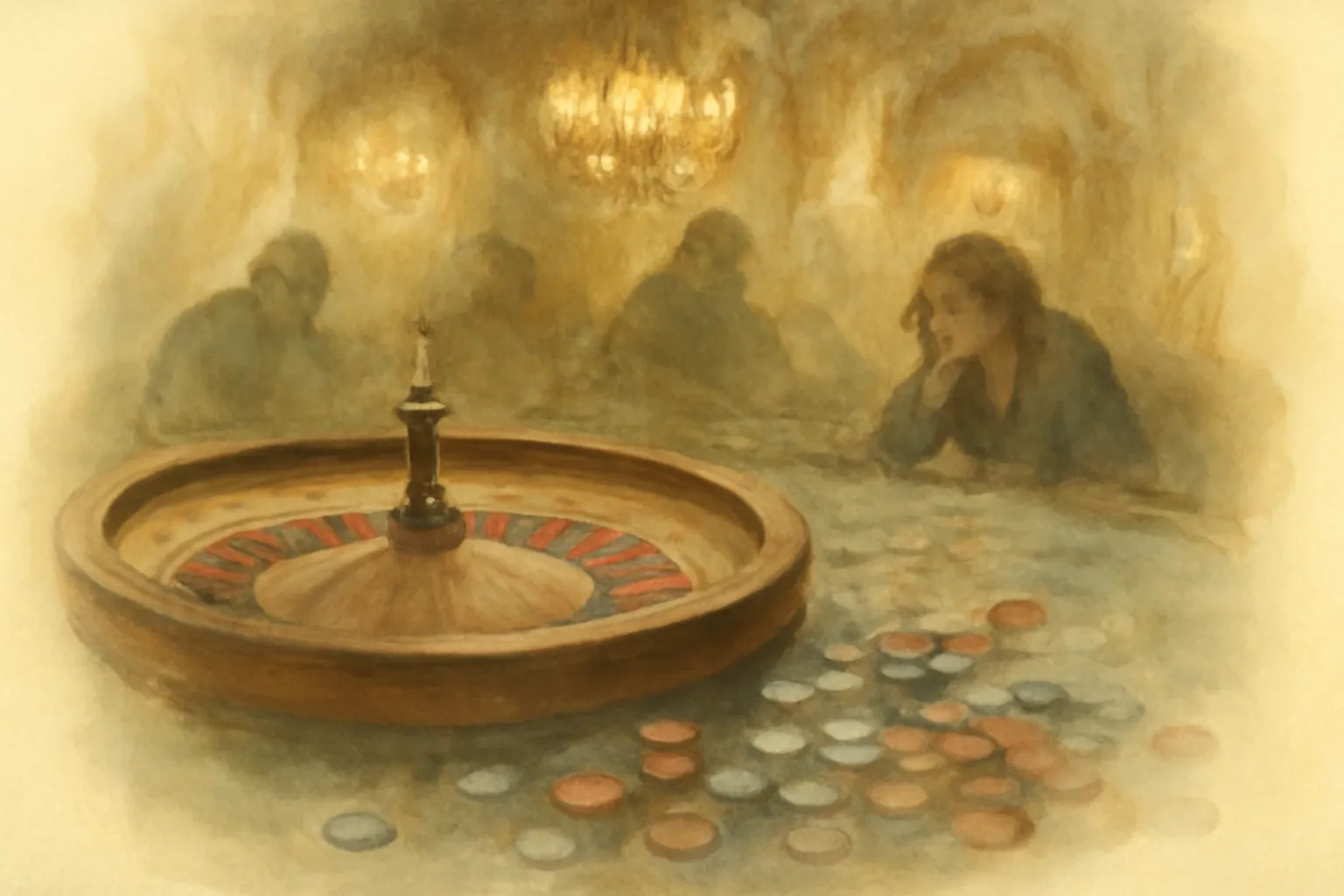
In The Gambler, Fyodor Dostoevsky explores the tumultuous intersection of passion and addiction, revealing how the thrill of chance can ensnare the human spirit. Set against the backdrop of the glamorous yet treacherous world of roulette, the narrative delves into the psyche of its protagonist, Alexei Ivanovich, as he grapples with his infatuation for Polina Alexandrovna and the seductive pull of the gaming tables. Through a vivid portrayal of characters embroiled in financial desperation and emotional turmoil, Dostoevsky invites readers to reflect on the nature of luck, desire, and the often devastating consequences of gambling. This exploration serves as a cautionary tale about the lengths to which individuals will go in pursuit of fortune, love, and identity, ultimately questioning the very essence of human motivation and morality.
The Gambler serves as a profound exploration of the human psyche, revealing the complexities of love, addiction, and the relentless pursuit of fortune. Dostoevsky's vivid characters and their intertwining fates illustrate the perilous nature of gambling, while also reflecting on broader themes of identity, morality, and the societal obsession with wealth. As readers journey through Alexei's tumultuous experiences, they are prompted to consider the implications of their own desires and the choices they make. Ultimately, the novel stands as a timeless cautionary tale, reminding us of the thin line between hope and despair, and the unpredictable nature of fortune in our lives.
“I suppose you would like to take them to the Casino to play roulette? Well, excuse my speaking so plainly, but I know how addicted you are to gambling.”
“What? The money that you gave me to lose? I told you I should never win for other people—least of all for you.”
“I have won two hundred thousand francs!” cried I as I pulled out my last sheaf of bank-notes.”
Fyodor Dostoevsky has 6 works free to read on Lumina, including Crime and Punishment, Notes from the Underground, The Brothers Karamazov
All 6 books by Fyodor Dostoevsky →