1.The Illusion of Control in Gambling
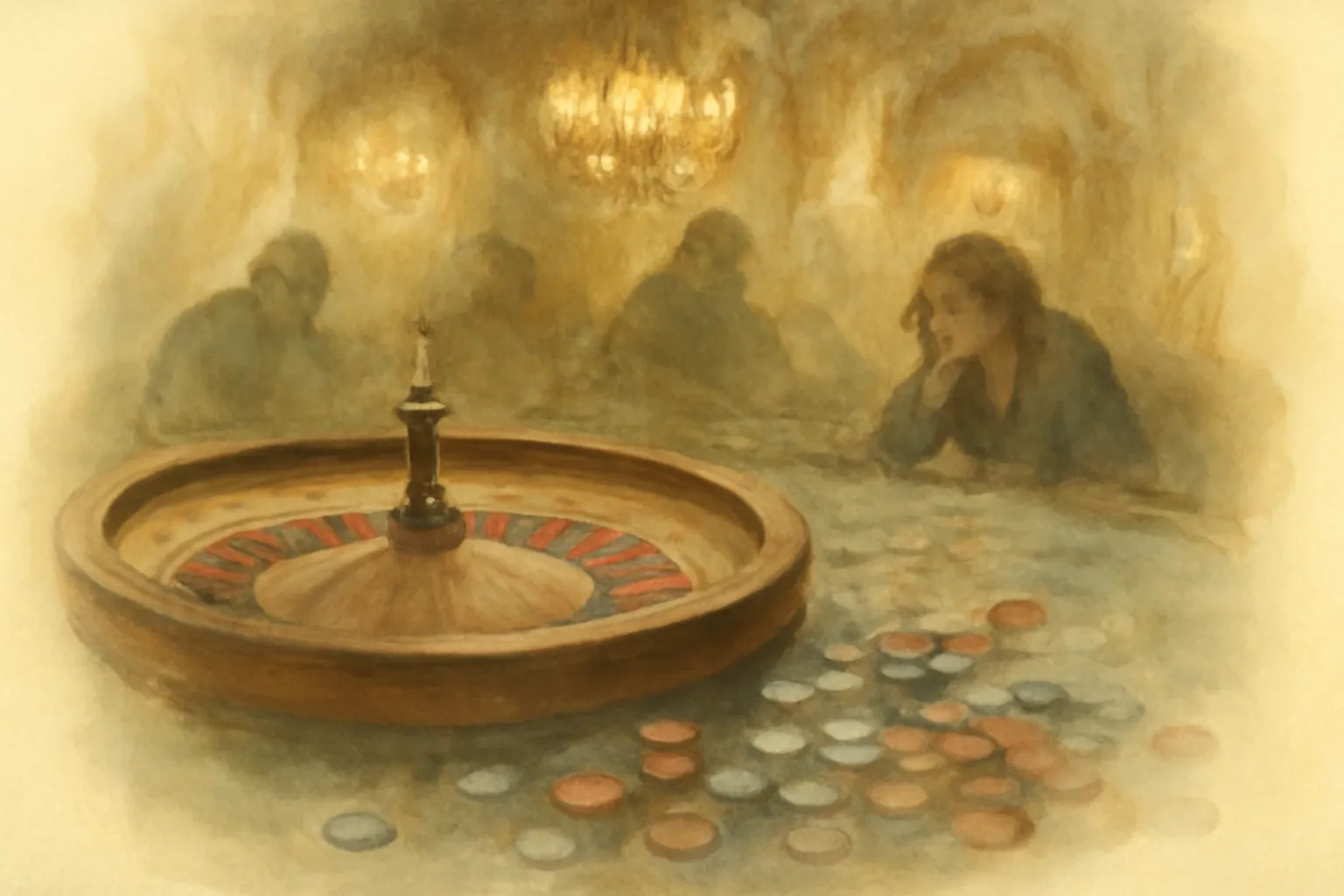
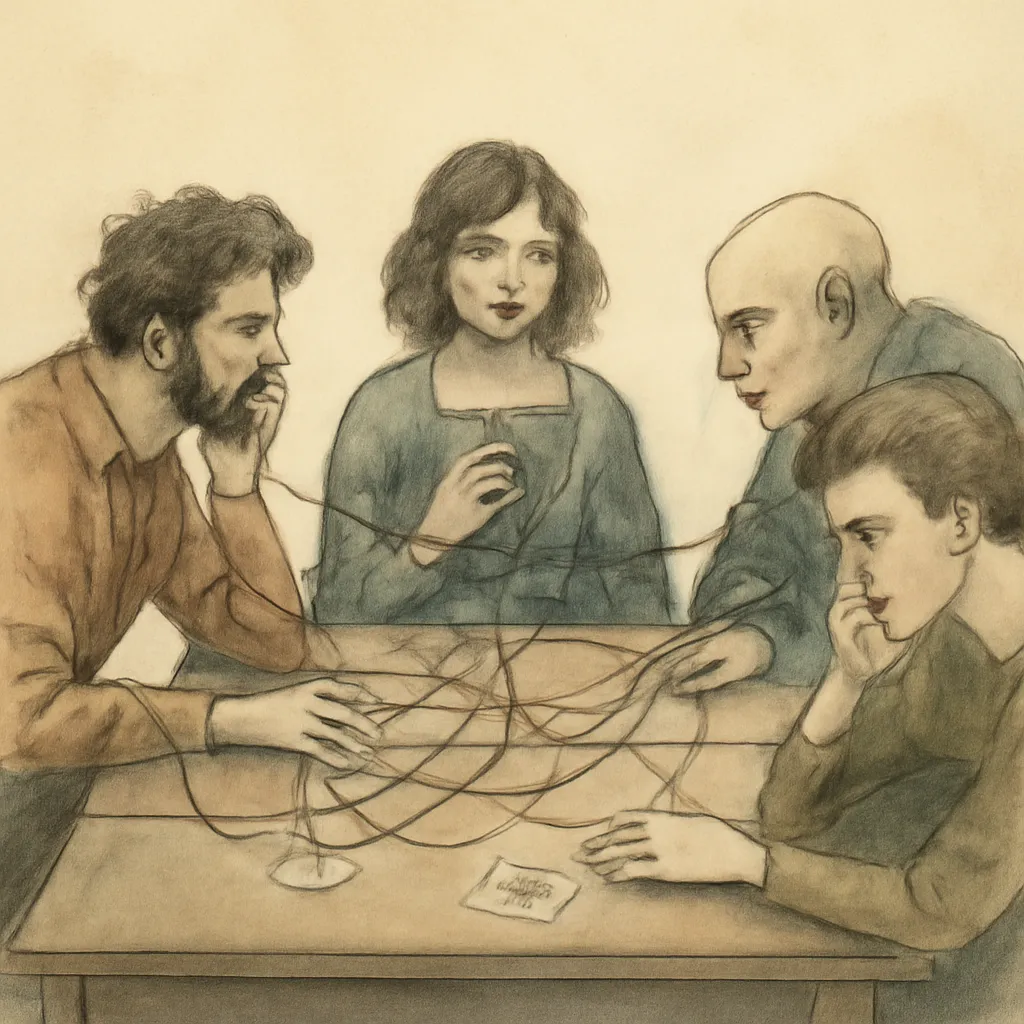
Dostoevsky illustrates the common misconception that players can control their fate at the roulette table. The protagonist, Alexei, enters the gaming room consumed with a desire to win, believing that his luck can change with each spin of the wheel. This delusion is a reflection of the broader human tendency to seek patterns and control in randomness. Despite the statistical reality that the odds favor the house, gamblers like Alexei convince themselves that they can outsmart the system. The narrative emphasizes how this false sense of control can lead to reckless behavior and financial ruin, as players ignore the inherent risks involved in gambling. Dostoevsky deftly portrays how this illusion is not just about the game itself but also about the characters' deeper emotional and psychological struggles, mirroring the unpredictability of life itself.
2.The Interplay of Love and Desperation
Alexei's infatuation with Polina is intricately tied to his gambling addiction, showcasing how love can become intertwined with desperation. His need to prove his worth through gambling is driven by a desire to gain Polina's affection and approval. Alexei's willingness to risk everything for a chance to win at roulette reflects not only his gambling addiction but also his emotional dependency on Polina. Dostoevsky paints their relationship as a complex dance of power and vulnerability, where Alexei's attempts to win her affection often lead him deeper into despair. Polina, aware of Alexei's feelings, manipulates him to serve her own ends, illustrating the theme of unrequited love—a powerful force that can compel individuals to act against their own best interests. Through their interactions, Dostoevsky reveals how love can simultaneously elevate and enslave, leading to self-destructive choices.
3.The Role of Social Status and Wealth
The novel critiques the societal obsession with wealth and status, particularly within the context of Russian aristocracy. Characters such as the General and Maria Philipovna embody the superficiality of high society, where money dictates social interactions and personal worth. The General's cold demeanor and haughty treatment of Alexei serve as a reminder of how financial stability can define relationships and social hierarchies. Dostoevsky employs these characters to explore the moral decay that often accompanies the pursuit of wealth, suggesting that the quest for financial security can lead to a loss of humanity. As Alexei observes the behaviors of the wealthy at the casino, he becomes increasingly disillusioned with their pretentiousness. This critique of aristocratic values serves as a broader commentary on the emptiness of societal expectations, where the pursuit of fortune overshadows genuine human connections and moral integrity.
4.The Psychological Impact of Gambling Addiction
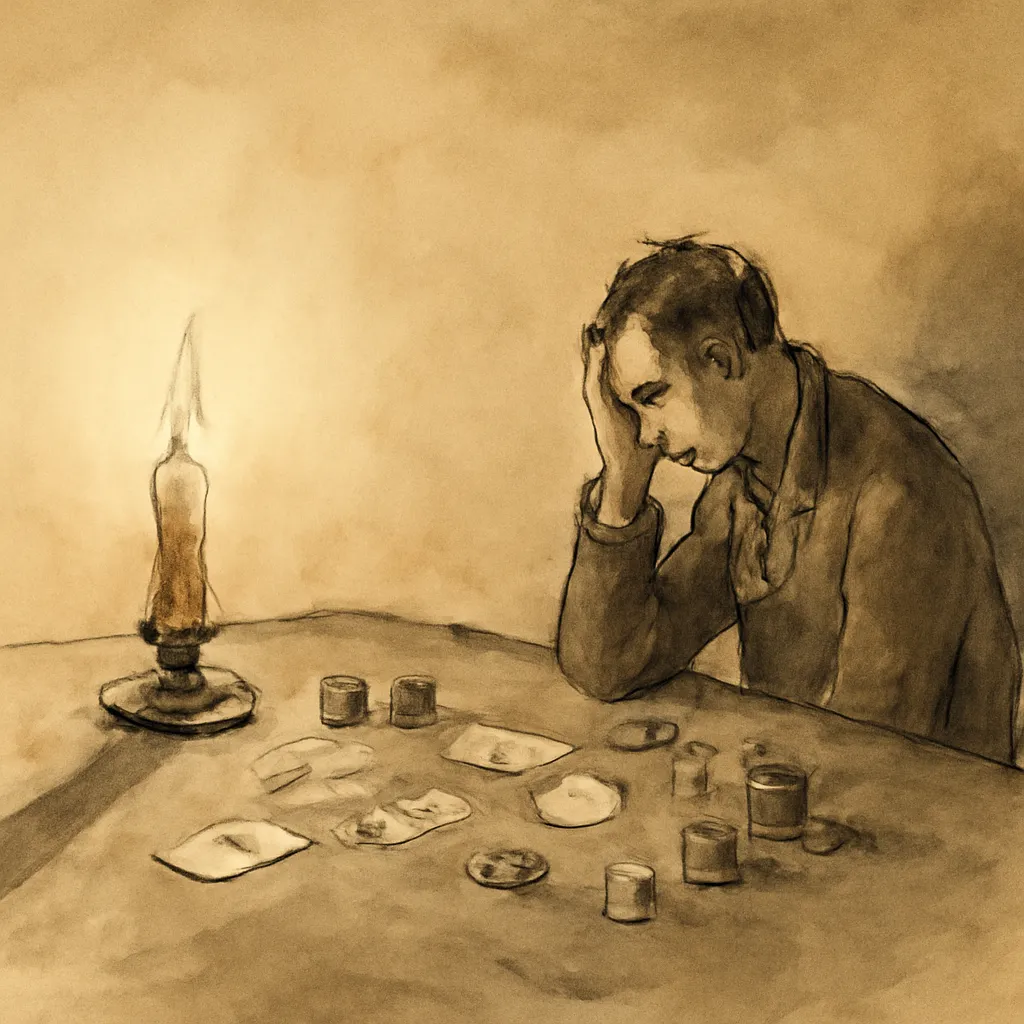
Dostoevsky delves deep into the psychological ramifications of gambling addiction, portraying it as a powerful and consuming force. Alexei experiences a spectrum of emotions—from exhilaration and hope to despair and shame—illustrating the rollercoaster of highs and lows that accompany gambling. The narrative captures the addictive nature of the game, where the thrill of a potential win can overshadow rational thought and ethical considerations. Alexei's internal struggle manifests as he grapples with guilt and desperation, revealing how addiction can distort one's sense of reality. Dostoevsky explores the concept of identity loss, as Alexei becomes increasingly defined by his gambling habits, drifting away from his values and aspirations. The novel serves as an exploration of how addiction can alter one's perception of self-worth and purpose, leading to a fragmented existence that mirrors the chaos of the gaming table.
5.The Influence of Environment on Behavior
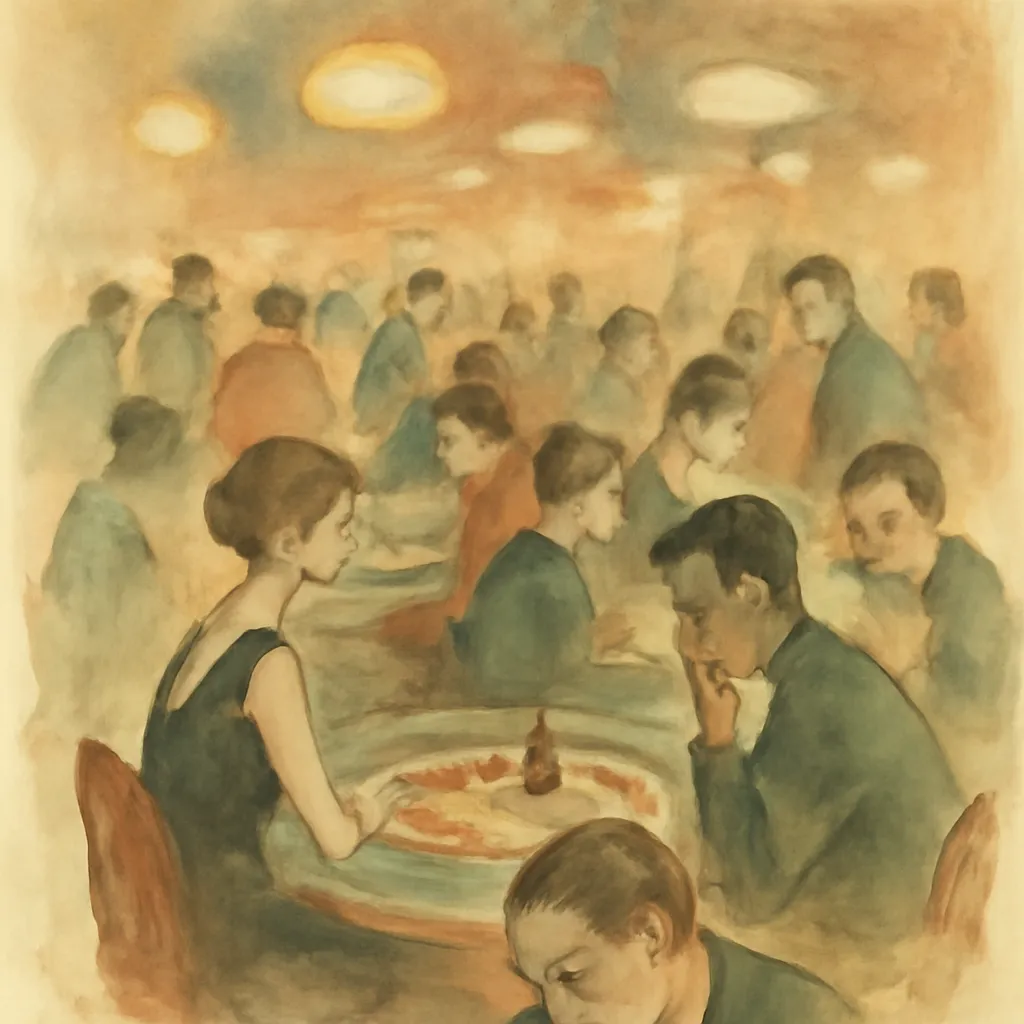
The setting of Roulettenberg plays a crucial role in shaping the characters' behaviors and decisions. The casino is depicted as a vibrant yet perilous environment, filled with individuals from diverse backgrounds all drawn together by their shared obsession with gambling. Dostoevsky uses this backdrop to explore how the atmosphere of the casino amplifies human desires and vices, creating a microcosm of society. Characters like the Englishman and the French lady exemplify how the allure of gambling transcends cultural boundaries, uniting people in their pursuit of fortune while simultaneously revealing their moral weaknesses. The casino becomes a character in itself, representing both the promise of wealth and the peril of addiction. Through Alexei's experiences within this environment, Dostoevsky underscores the idea that societal pressures and external influences can significantly impact individual choices and behaviors, often leading to moral compromise.
6.The Dual Nature of Fortune
The theme of fortune is central to The Gambler, with Dostoevsky portraying it as a double-edged sword. While gambling offers the tantalizing possibility of immense wealth, it also brings the risk of devastating loss. Alexei's belief in his impending success is juxtaposed with the harsh realities of his repeated failures, illustrating the fickle nature of luck. This duality serves as a metaphor for life itself, where moments of triumph can quickly be followed by despair. Dostoevsky invites readers to reflect on the nature of fortune and how it shapes human experience, suggesting that reliance on luck can lead to a precarious existence filled with uncertainty and anxiety. The narrative ultimately poses the question: Is fortune a blessing or a curse? By weaving this theme throughout the story, Dostoevsky highlights the ethical implications of one's choices in the pursuit of happiness and success.
7.Manipulation and Power Dynamics
The relationships among the characters are fraught with manipulation and power struggles, particularly between Alexei, Polina, and De Griers. Polina's contempt for Alexei is juxtaposed with her reliance on him to fulfill her own needs, creating a dynamic where emotional power is wielded with cruelty. De Griers, representing the established order of wealth and privilege, seeks to exploit Polina's vulnerability for his gain. Dostoevsky paints a picture of a world where love is transactional, and personal connections are often tainted by ulterior motives. This exploration of manipulation reveals the darker aspects of human relationships, where affection can be weaponized against the most vulnerable. The author urges the reader to consider the ethical implications of such power dynamics, highlighting how they can distort genuine connections and lead to suffering for all involved.
8.Existential Reflections on Identity
As Alexei spirals deeper into his gambling addiction, he confronts existential questions about his identity and purpose. Dostoevsky captures the protagonist's inner turmoil as he grapples with feelings of worthlessness and despair. The act of gambling becomes a metaphor for his search for meaning in a chaotic world, where traditional values and social structures have crumbled. Through Alexei's experiences, the novel raises profound questions about the essence of self and the impact of external circumstances on personal identity. The narrative suggests that without a solid sense of self, individuals may become lost in their pursuits, leading to a disconnection from reality and a fractured existence. Dostoevsky invites readers to reflect on their own lives, asking how external influences shape their identities and the choices they make.
9.The Consequences of Recklessness
The narrative serves as a cautionary tale about the consequences of reckless behavior, particularly in the realm of gambling. Alexei's initial thrill of winning quickly devolves into a cycle of desperation and loss, illustrating how unchecked impulses can lead to ruin. Dostoevsky emphasizes the importance of self-awareness and restraint, suggesting that the pursuit of immediate gratification often results in long-term suffering. As Alexei loses everything he holds dear, readers are reminded of the fragility of fortune and the importance of making thoughtful decisions. The novel ultimately advocates for a measured approach to life, warning against the allure of impulsive choices that can have devastating repercussions. Through Alexei's downfall, Dostoevsky highlights the need for individuals to cultivate self-discipline and reflect on the true costs of their actions.
10.The Cycle of Hope and Despair
Dostoevsky masterfully depicts the cyclical nature of hope and despair in the context of gambling addiction. Alexei's moments of exhilaration at the roulette table are often followed by crushing defeats, creating a relentless cycle that mirrors the highs and lows of human experience. This pattern reflects the broader human condition, where aspirations can lead to both fulfillment and disillusionment. The narrative suggests that the pursuit of hope can be both a driving force and a source of suffering, as individuals oscillate between dreams of success and the harsh reality of failure. Dostoevsky encourages readers to consider how they navigate their own cycles of hope and despair, and the implications of their choices on their paths through life. Ultimately, the novel serves as a reminder that while hope can propel us forward, it can also lead to profound disappointment if not grounded in reality.