1.The Nature of Love
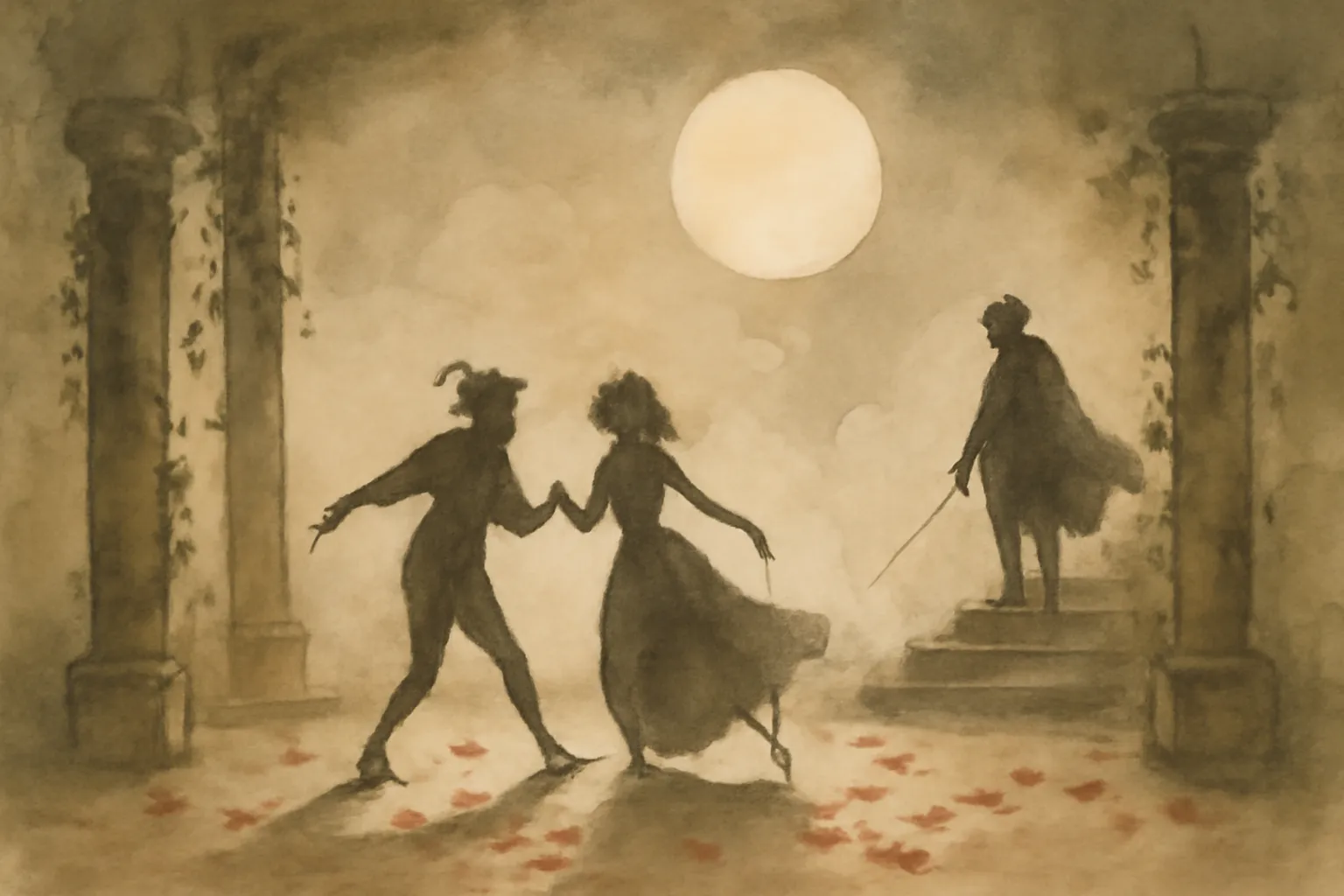
Shakespeare's exploration of love is multifaceted, presenting it as both a source of joy and a cause of conflict. In plays like 'Romeo and Juliet', love is depicted as an all-consuming force that transcends familial loyalty and societal expectations, ultimately leading to tragedy. Conversely, in 'A Midsummer Night's Dream', love is portrayed as whimsical and capricious, with characters caught in a web of enchantments that challenge their understanding of true affection. This duality of love highlights its complexity: it can inspire the highest of emotions while simultaneously leading to chaos and misunderstanding. Shakespeare's characters often grapple with the consequences of their desires, emphasizing that love can be as destructive as it is beautiful.
2.Power and Ambition
Shakespeare's works frequently examine the themes of power and ambition, showcasing how the pursuit of influence can corrupt individuals. In 'Macbeth', the titular character's ambition drives him to commit heinous acts, ultimately leading to his downfall. This tragic arc illustrates the dangers of unchecked ambition and the moral decay that can accompany the lust for power. Similarly, in 'Julius Caesar', the political machinations surrounding Caesar's rise and assassination reveal the fragility of power and the consequences of betrayal. Shakespeare adeptly portrays the moral complexities faced by his characters, suggesting that ambition, while a driving force behind human achievement, can also lead to ruin if it overshadows ethical considerations.
3.The Role of Fate and Free Will
Throughout Shakespeare's plays, the tension between fate and free will is a recurring theme, prompting audiences to question the extent of human agency. In 'Romeo and Juliet', the characters are often described as 'star-crossed', suggesting that their tragic fates are predetermined. Yet, their choices ultimately contribute to their demise, raising questions about the nature of destiny. Similarly, in 'Hamlet', the protagonist's indecision highlights the struggle between action and inaction, as he grapples with the moral implications of avenging his father's murder. Shakespeare invites readers to consider whether individuals are merely puppets of fate or if their decisions shape their destinies, fostering a deeper understanding of human experience.
4.Identity and Transformation
Shakespeare often explores themes of identity and transformation, using disguise and mistaken identity as tools to reveal deeper truths about his characters. In 'Twelfth Night', Viola's disguise as a man leads to a series of misunderstandings that ultimately challenge societal norms regarding gender and identity. This comedic play invites audiences to reflect on the fluidity of identity and the roles individuals play in society. Similarly, in 'The Merchant of Venice', Shylock's complex identity as a Jewish moneylender raises questions about prejudice and the nature of humanity. Shakespeare's treatment of identity serves as a mirror to societal constructs, encouraging readers to examine their own perceptions of self and others.
5.The Complexity of Human Relationships
Shakespeare's works delve into the intricacies of human relationships, portraying the nuanced dynamics that exist between individuals. In 'Othello', the destructive power of jealousy and betrayal is exemplified through the tragic relationship between Othello and Desdemona. The play reveals how trust can be easily shattered, leading to devastating consequences. In contrast, 'Much Ado About Nothing' showcases the resilience of love and friendship, as characters navigate misunderstandings and deception to ultimately reconcile. Through these varied portrayals, Shakespeare emphasizes that human relationships are often fraught with complexity, highlighting the need for communication, trust, and understanding.
6.Social Commentary and Critique
Shakespeare's plays often serve as a commentary on the social and political issues of his time, reflecting the complexities of Elizabethan society. In 'The Taming of the Shrew', the dynamics of gender roles and marriage are scrutinized, prompting discussions about power, submission, and the nature of love. Similarly, 'King Lear' addresses themes of authority, family, and the consequences of pride, offering a critique of societal hierarchies. Shakespeare's ability to weave social critique into his narratives invites audiences to engage with the pressing issues of their own time, encouraging a dialogue that transcends the boundaries of history.
7.The Use of Language and Rhetoric
Shakespeare's mastery of language is evident throughout his works, as he employs rhetorical devices and poetic forms to enhance the emotional depth of his characters. His use of iambic pentameter, metaphors, and wordplay creates a rich tapestry of meaning that resonates with audiences. For instance, in 'Sonnet 18', Shakespeare's comparison of a beloved to a summer's day captures the essence of beauty and temporality, demonstrating the power of language to evoke emotion. Furthermore, the soliloquies in plays like 'Hamlet' provide insight into characters' innermost thoughts, allowing audiences to connect with their struggles on a profound level. Shakespeare's linguistic prowess not only elevates his storytelling but also serves as a testament to the enduring power of words.
8.The Tragic Hero
Shakespeare's tragic heroes are often characterized by their noble qualities and tragic flaws, leading to their eventual downfall. In 'Hamlet', the titular character's indecisiveness and obsession with revenge ultimately lead to his demise, illustrating the classic Aristotelian definition of tragedy. Similarly, in 'Othello', the noble general's vulnerability to manipulation and jealousy reveals the human tendency toward self-destruction. Shakespeare's portrayal of tragic heroes invites audiences to empathize with their struggles, fostering a deeper understanding of the human condition. These characters serve as cautionary tales, reminding readers of the fragility of virtue and the consequences of moral failings.
9.Comedy and the Human Condition
Shakespeare's comedies often explore the absurdities of human behavior, using humor to shed light on the complexities of life. In plays like 'As You Like It' and 'Twelfth Night', mistaken identities and romantic entanglements create a tapestry of comedic situations that ultimately resolve in harmony. These comedies celebrate the resilience of the human spirit, highlighting the importance of love, friendship, and community. Shakespeare's ability to blend humor with profound insights into the human condition encourages audiences to reflect on their own lives, finding joy and meaning even amidst chaos and confusion.
10.The Theme of Death
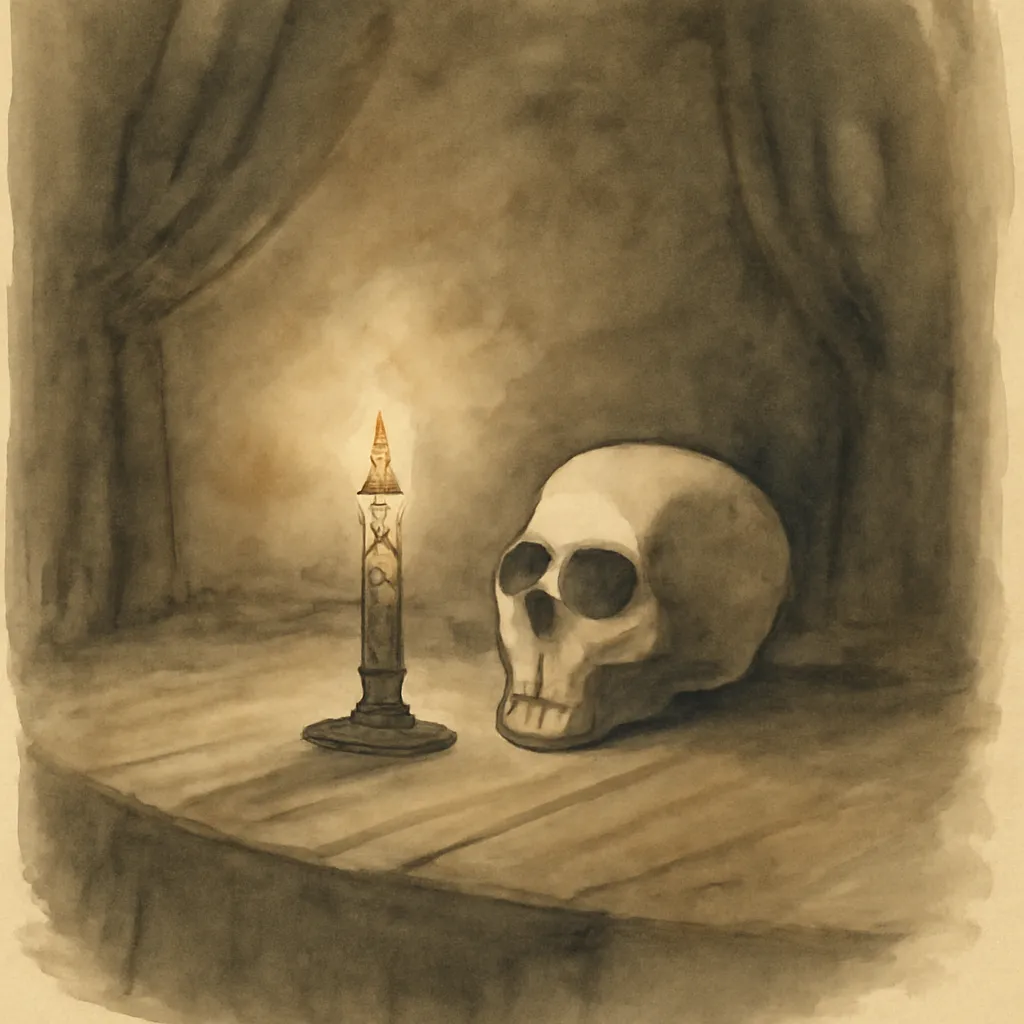
Death is a pervasive theme in Shakespeare's works, serving as a catalyst for character development and plot progression. In 'Hamlet', the contemplation of mortality drives the protagonist's actions and philosophical musings, prompting deep reflections on existence and the afterlife. Similarly, in 'Romeo and Juliet', the tragic deaths of the young lovers serve as a poignant reminder of the fragility of life and the consequences of familial conflict. Shakespeare's exploration of death invites audiences to confront their own mortality, encouraging a deeper appreciation for life and the relationships that define it. Through these narratives, he underscores the inevitability of death while simultaneously celebrating the vibrancy of life.