1.The Origins of David's Identity
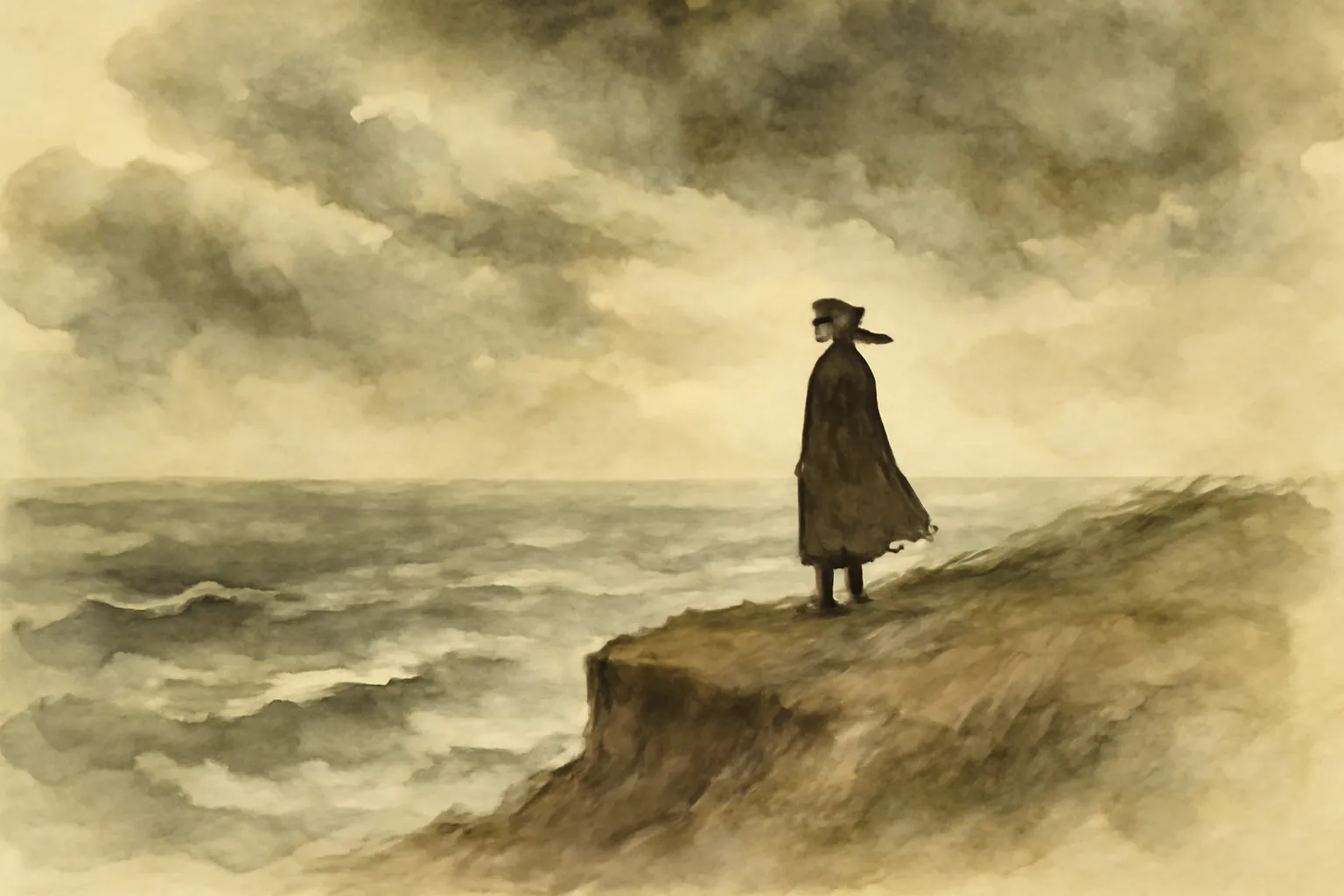
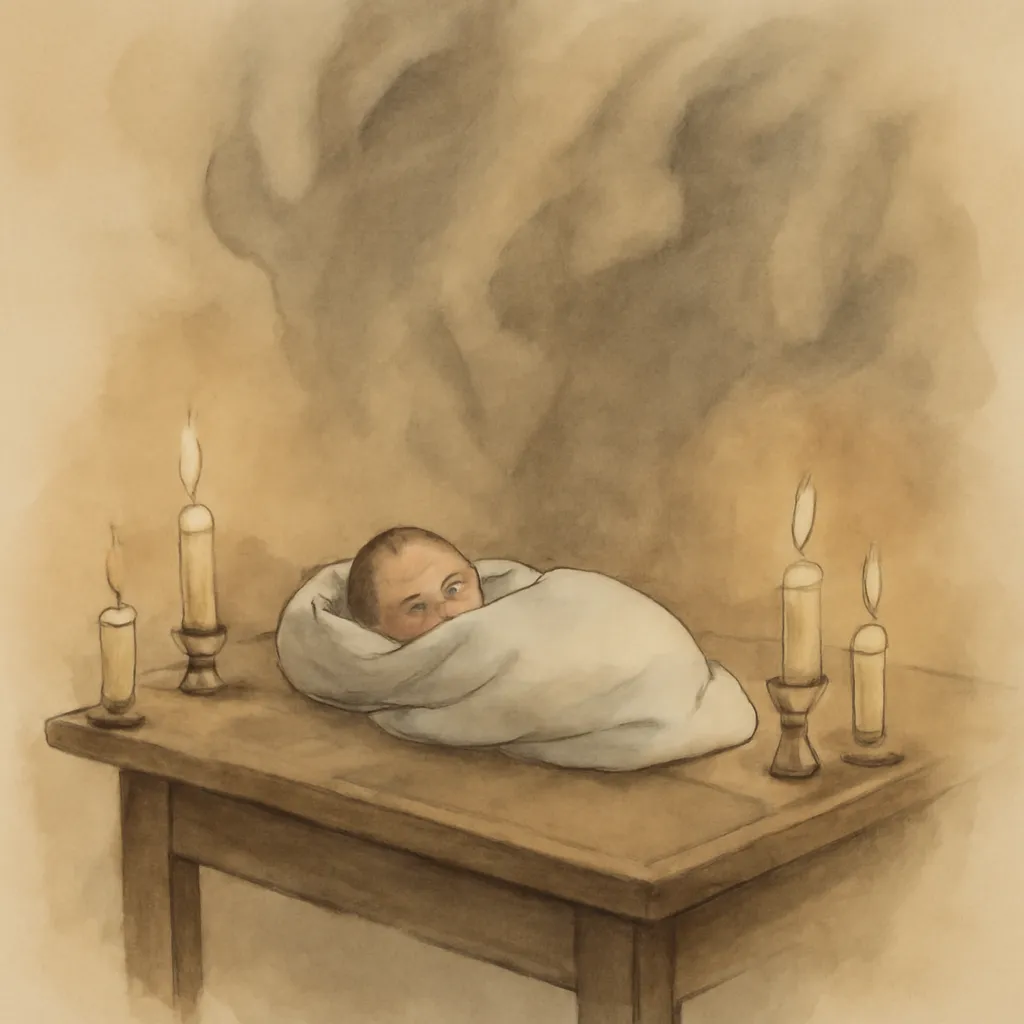
David Copperfield's journey begins with his birth on a Friday at midnight, a moment steeped in superstition that foreshadows his tumultuous life. Born into a world of uncertainty, David is immediately marked by the predictions of misfortune due to the circumstances of his birth. This early characterization sets the stage for his lifelong struggle with identity and belonging. The caul he was born with, which is believed to grant him the ability to see spirits, symbolizes the duality of his existence—caught between the realms of the mundane and the extraordinary. As he grows, David's experiences, shaped by the people around him, force him to confront the very essence of who he is and what he desires to become, emphasizing the importance of understanding one's roots in the quest for self-discovery.
2.The Impact of Childhood Relationships
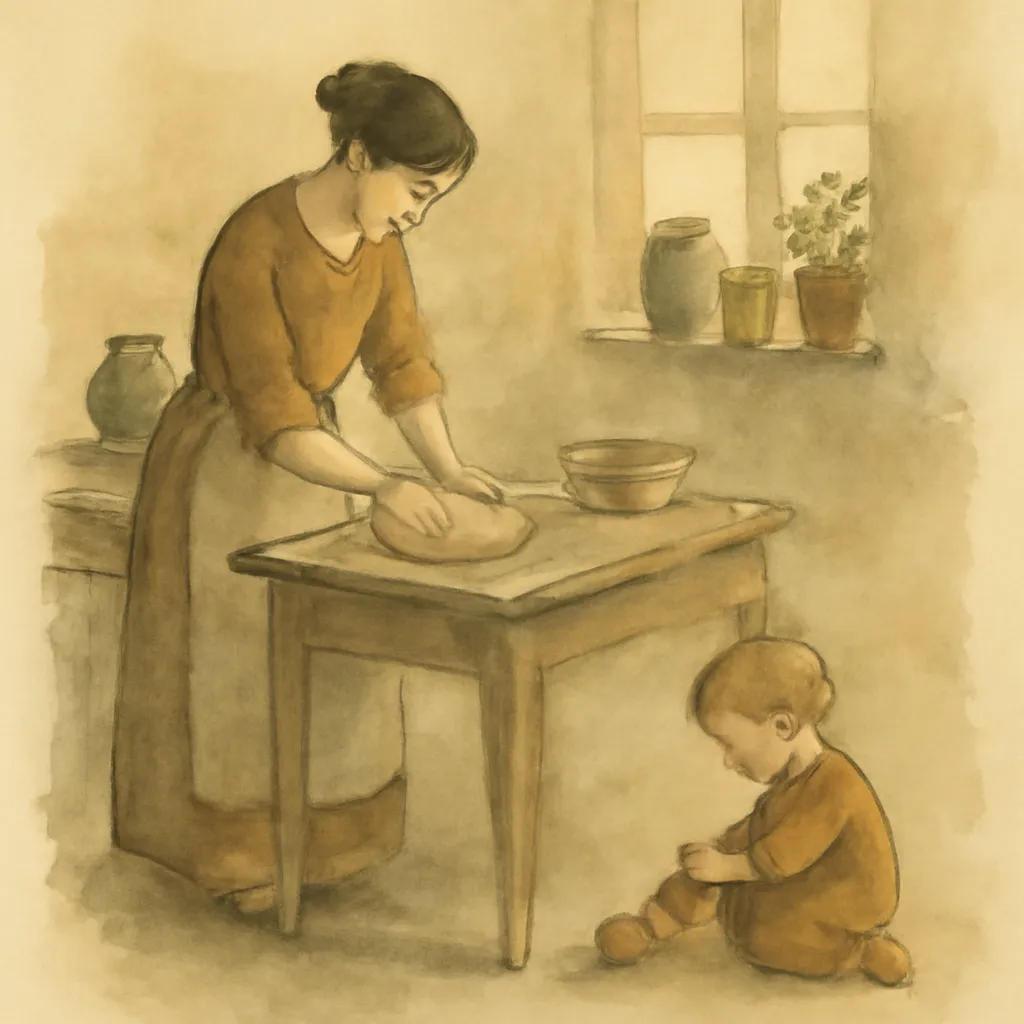
David's formative years are heavily influenced by the relationships he forms, particularly with his mother and Peggotty, the family’s servant. His mother, a symbol of innocence and love, provides a nurturing environment, but her weakness becomes apparent when she remarries the cruel Mr. Murdstone. This relationship introduces a harsh reality into David's life, marking the beginning of his struggles. Peggotty, on the other hand, represents unwavering loyalty and kindness. Her affection for David provides him with a sanctuary from the cruelty he faces, underscoring the significance of nurturing relationships in shaping a child's resilience. The contrast between Peggotty's warmth and the Murdstones' tyranny illustrates how deeply relationships can affect one's development and emotional well-being.
3.The Journey of Education and Growth
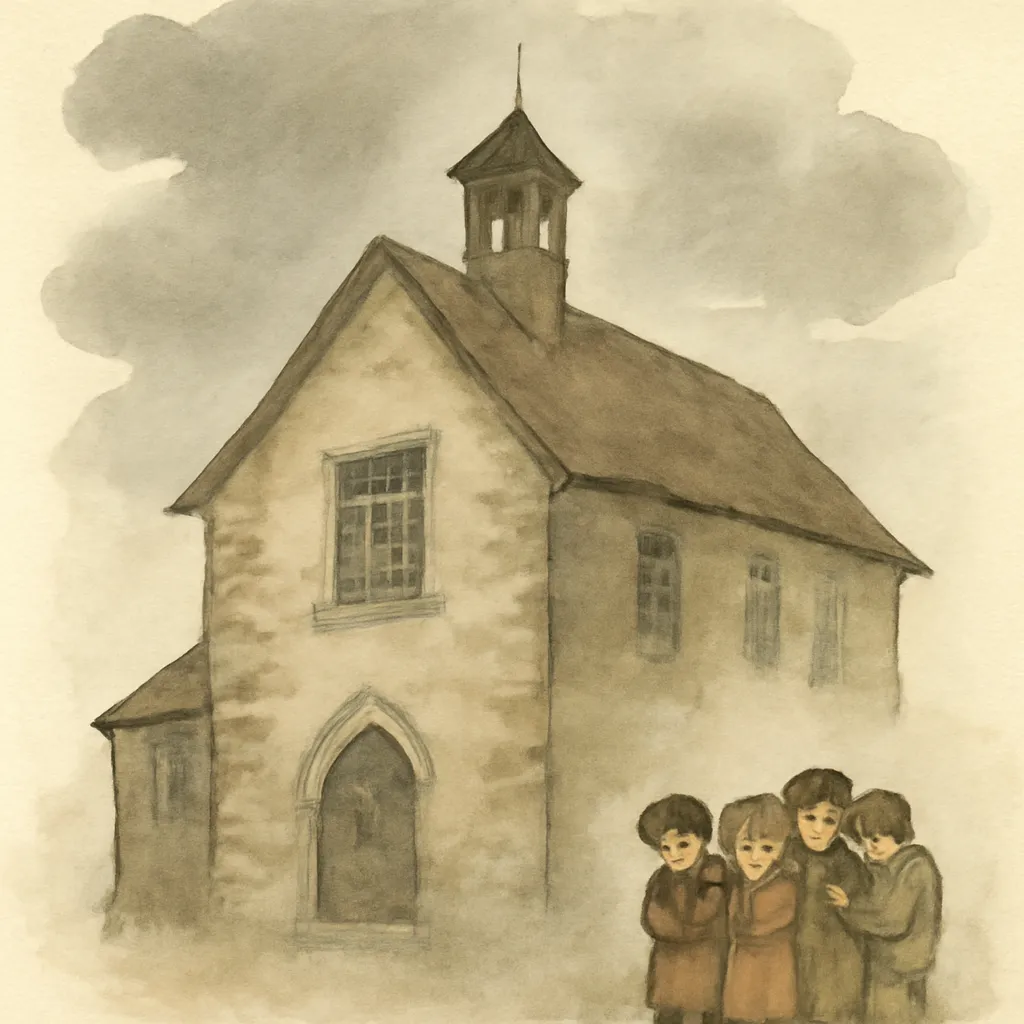
Education plays a pivotal role in David's life, not only academically but also in terms of personal growth. His time at Salem House, under the tyrannical Mr. Creakle, is marked by fear and punishment, yet it also serves as a crucible for David's character. The harsh conditions he faces at school teach him valuable lessons about resilience and the necessity of standing up for oneself. Furthermore, his friendships with characters like Steerforth and Tommy Traddles provide him with different perspectives on life and morality. These relationships evolve as David navigates the complexities of friendship, loyalty, and betrayal, ultimately shaping his understanding of human nature and his place within it.
4.The Quest for Independence
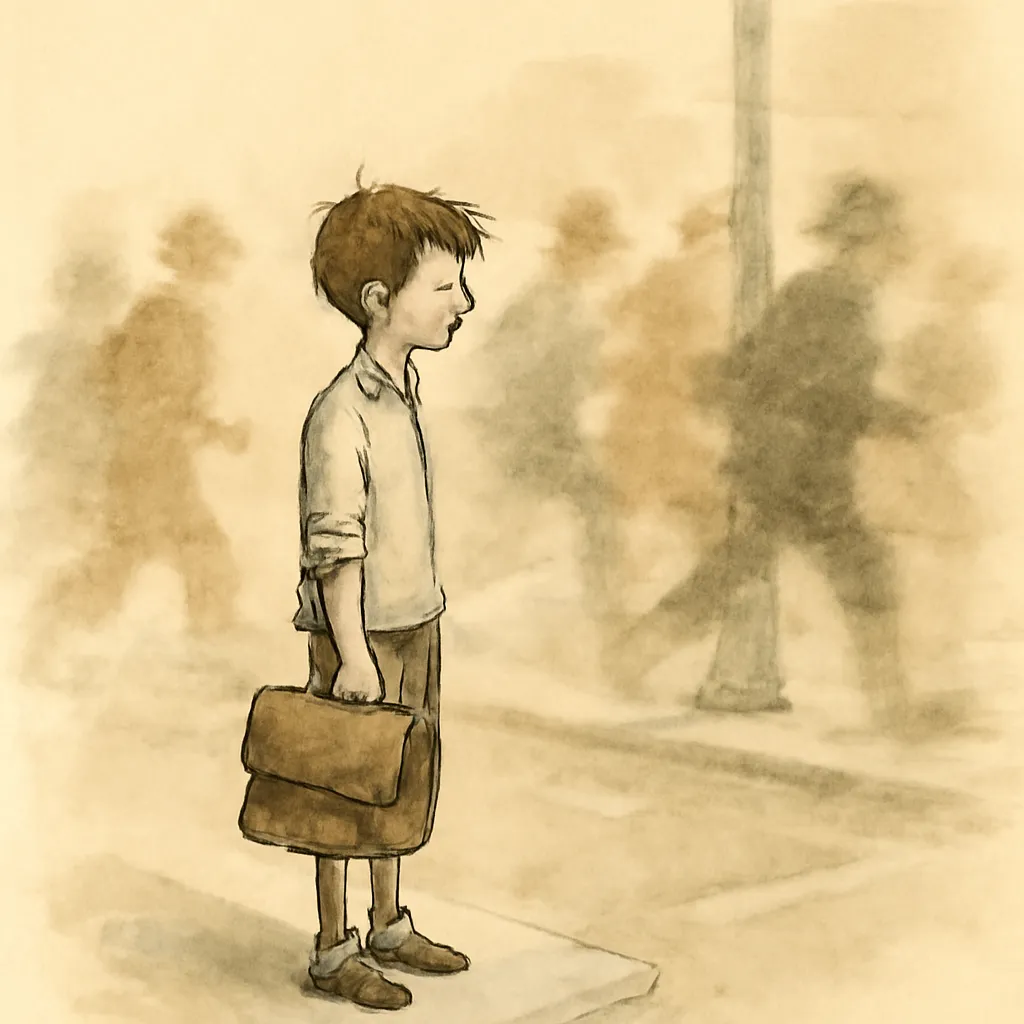
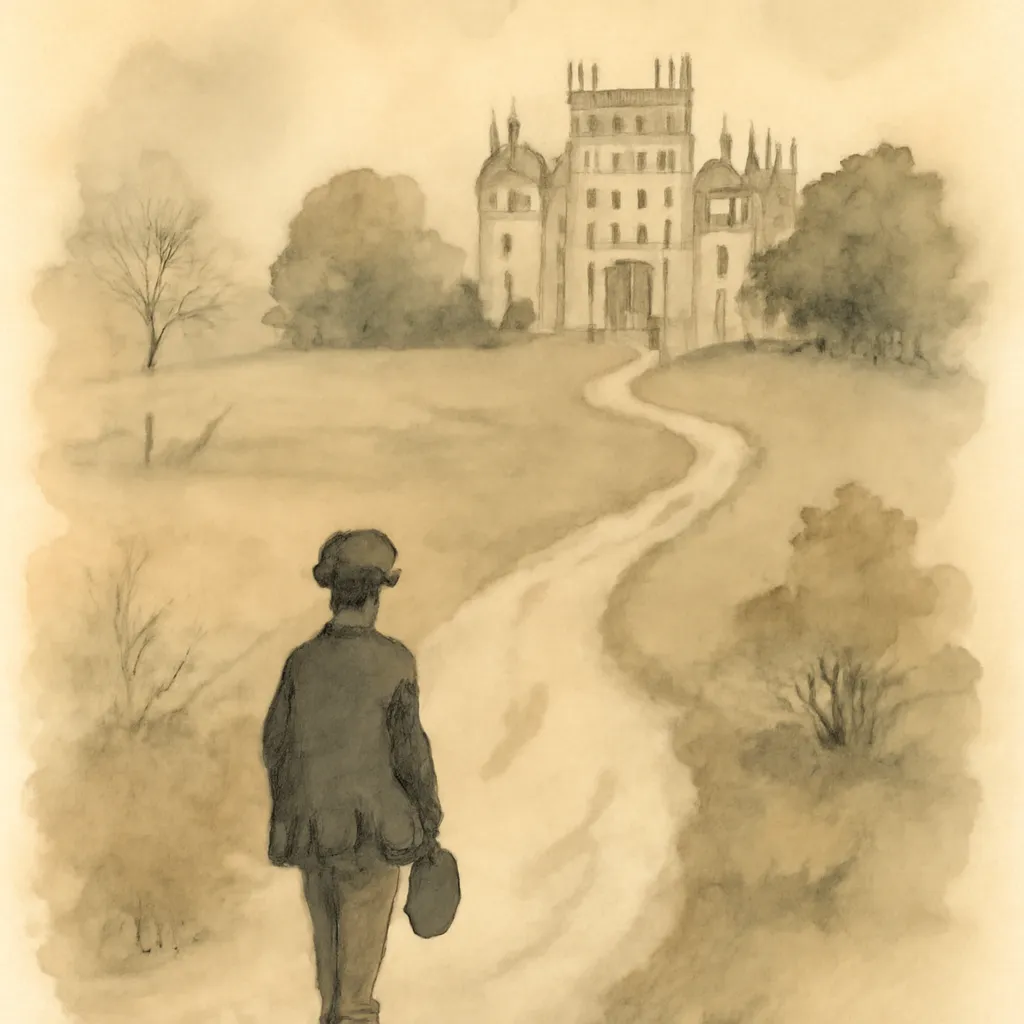
As David matures, his desire for independence becomes a central theme in his life. After the death of his mother, he is thrust into the workforce at a young age, forced to fend for himself in a world that often seems unforgiving. This transition from boyhood to adulthood is fraught with challenges, including financial instability and the struggle to establish his identity outside of his familial ties. David's work at Murdstone and Grinby highlights the grim realities of child labor during the Victorian era, but it also ignites his ambition to rise above his circumstances. His determination to become a writer represents not just a career choice, but a profound assertion of his individuality and a rejection of the constraints imposed upon him by society.
5.The Role of Women in David's Life
Throughout the novel, the women in David's life significantly influence his emotional landscape. Characters like his mother, Agnes Wickfield, and even the troubled Little Em'ly represent different aspects of femininity and societal expectations. Agnes serves as a moral compass for David, embodying strength and virtue, while her unwavering support contrasts sharply with the manipulative nature of other female characters. Little Em'ly's tragic trajectory serves as a cautionary tale about the societal pressures placed on women, particularly regarding marriage and respectability. Through these relationships, Dickens explores the complexities of love, loyalty, and the often-painful realities of gender dynamics in Victorian society.
6.Friendship and Loyalty
David's friendships, particularly with Steerforth and Traddles, reveal the complexities of loyalty and betrayal. Steerforth, charismatic yet morally ambiguous, embodies the allure of social status and privilege. His friendship with David initially appears as a source of inspiration, but it ultimately leads to disillusionment when Steerforth's true nature is revealed. In contrast, Traddles represents steadfast loyalty and kindness, illustrating the value of true friendship over superficial charm. These contrasting relationships highlight the theme of loyalty, as David learns that true friends are those who stand by you in times of difficulty, rather than those who merely seek to elevate their own status.
7.The Influence of Class and Society
Dickens intricately weaves social commentary throughout David's journey, highlighting the rigid class structures of Victorian England. David's rise from poverty to relative success serves as a critique of the social mobility of the time, questioning whether true merit can overcome societal barriers. Characters like Mr. Micawber and Uriah Heep epitomize the struggles of lower-class individuals striving for recognition and respect. Micawber’s optimistic resilience contrasts with Heep’s manipulative ambition, illustrating the varying responses to social inequality. Through David's interactions with these characters, Dickens critiques the hypocrisy of social norms and the often arbitrary nature of class distinctions, urging readers to recognize the shared humanity beneath societal labels.
8.The Search for Love and Acceptance
David's quest for love and acceptance is a driving force in his life, intricately linked to his relationships with women. His infatuation with Dora Spenlow illustrates the idealization of love and the disillusionment that often accompanies it. While Dora embodies youthful passion and beauty, their relationship ultimately reveals the superficiality of such ideals. In contrast, David’s bond with Agnes Wickfield evolves into a deeper, more enduring love characterized by mutual respect and understanding. This journey through romantic love highlights the difference between youthful infatuation and mature companionship, emphasizing the importance of emotional connection and compatibility in relationships.
9.Resilience in the Face of Adversity
Throughout his life, David Copperfield encounters numerous challenges that test his resilience. From the loss of his mother to the trials of poverty and betrayal, each obstacle shapes his character and fortifies his resolve. Dickens portrays David as a symbol of perseverance, illustrating how adversity can lead to personal growth and strength. The support of loyal friends and the lessons learned from hardship equip David with the tools necessary to confront life's challenges head-on. His ultimate success as a writer serves as a testament to the power of resilience and the belief that one's circumstances do not define one's destiny.
10.The Power of Forgiveness
Forgiveness emerges as a crucial theme in David's journey, reflecting the complexities of human relationships. David's ability to forgive those who have wronged him, including Steerforth and even Mr. Murdstone, underscores the transformative power of compassion. This theme is particularly evident in the resolution of his relationships, where understanding and empathy replace resentment. Dickens suggests that forgiveness is not only a moral imperative but also a path to personal liberation. By choosing to forgive, David liberates himself from the burdens of anger and bitterness, ultimately finding peace and closure in his tumultuous life.