1.The Cruelty of Educational Neglect
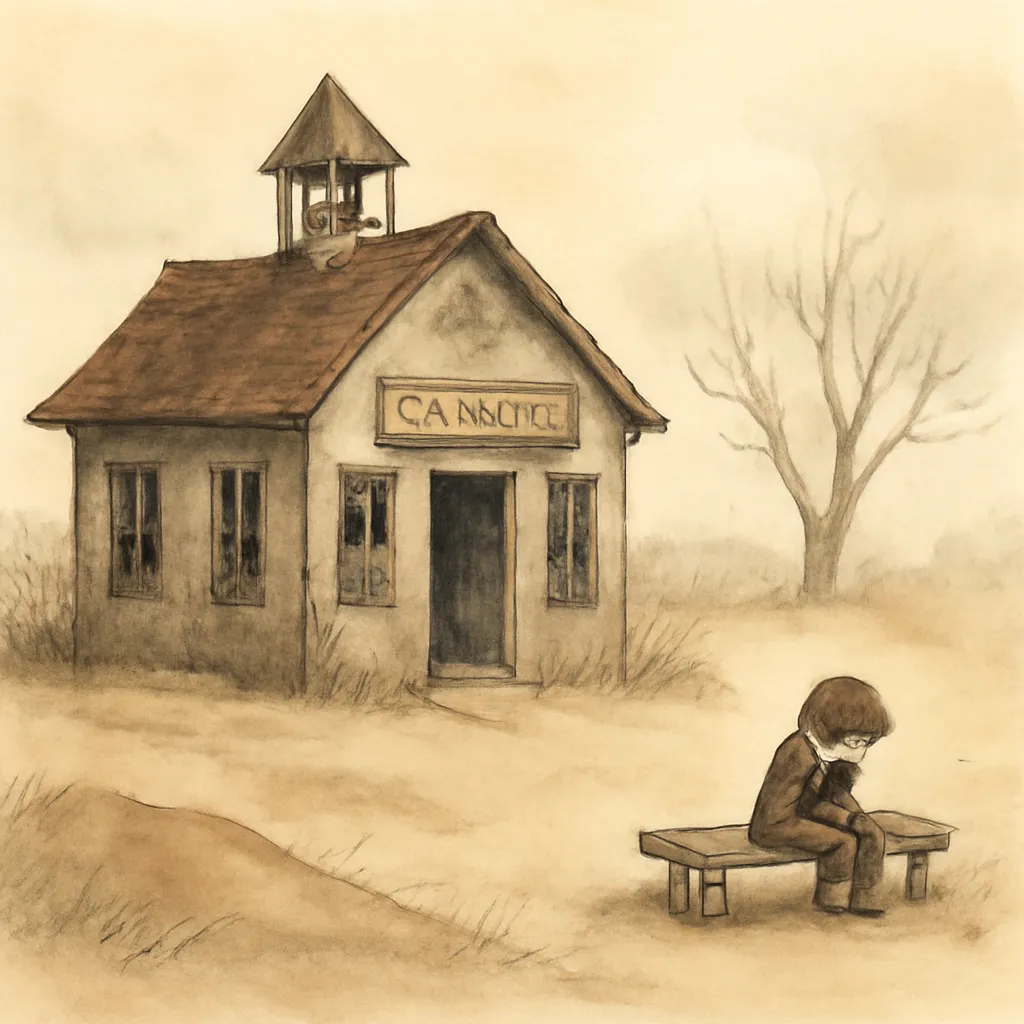
The novel opens with a profound critique of the educational system in England, focusing particularly on the deplorable state of private schools in Yorkshire. Dickens highlights the absurdity of a system that allows anyone, regardless of qualifications, to establish themselves as schoolmasters, with the children as their unwitting victims. Through the character of Wackford Squeers, headmaster of Dotheboys Hall, Dickens presents a vivid portrait of neglect and cruelty within these institutions. The school, rather than being a place of learning, becomes a factory for misery, showcasing how the unqualified and greedy exploit vulnerable children. Squeers and his wife represent the worst of this system, embodying ignorance and an utter lack of compassion, which results in a profound dehumanization of the children. Dickens vividly depicts the harsh treatment of students, including physical abuse and emotional neglect, as Squeers prioritizes profit over education. This systemic failure to ensure quality education is not merely a backdrop; it is a call to action, urging readers to recognize the importance of nurturing young minds to cultivate a better society.
2.Family and Responsibility

Nicholas Nickleby's journey is deeply shaped by his sense of family duty, particularly towards his mother and sister, Kate. Following the death of his father, Nicholas feels an immense pressure to step into the role of protector and provider, a theme that resonates throughout the narrative. His commitment to his family serves as a driving force, illustrating the weight of familial responsibility in a harsh world. As Nicholas prepares to leave for Yorkshire in search of work, he experiences an emotional farewell filled with unspoken fears and hopes. This poignant moment highlights the sacrifices he must make for the well-being of his family, as he grapples with the expectations placed upon him. The love and loyalty within the Nickleby family highlight the complexity of their circumstances, raising questions about the balance between personal ambition and family obligation. As Nicholas faces various challenges, the narrative underscores the profound bond between family members, and the lengths to which individuals will go to protect those they love, emphasizing that responsibility is often intertwined with love and sacrifice.
3.The Struggle Against Oppression
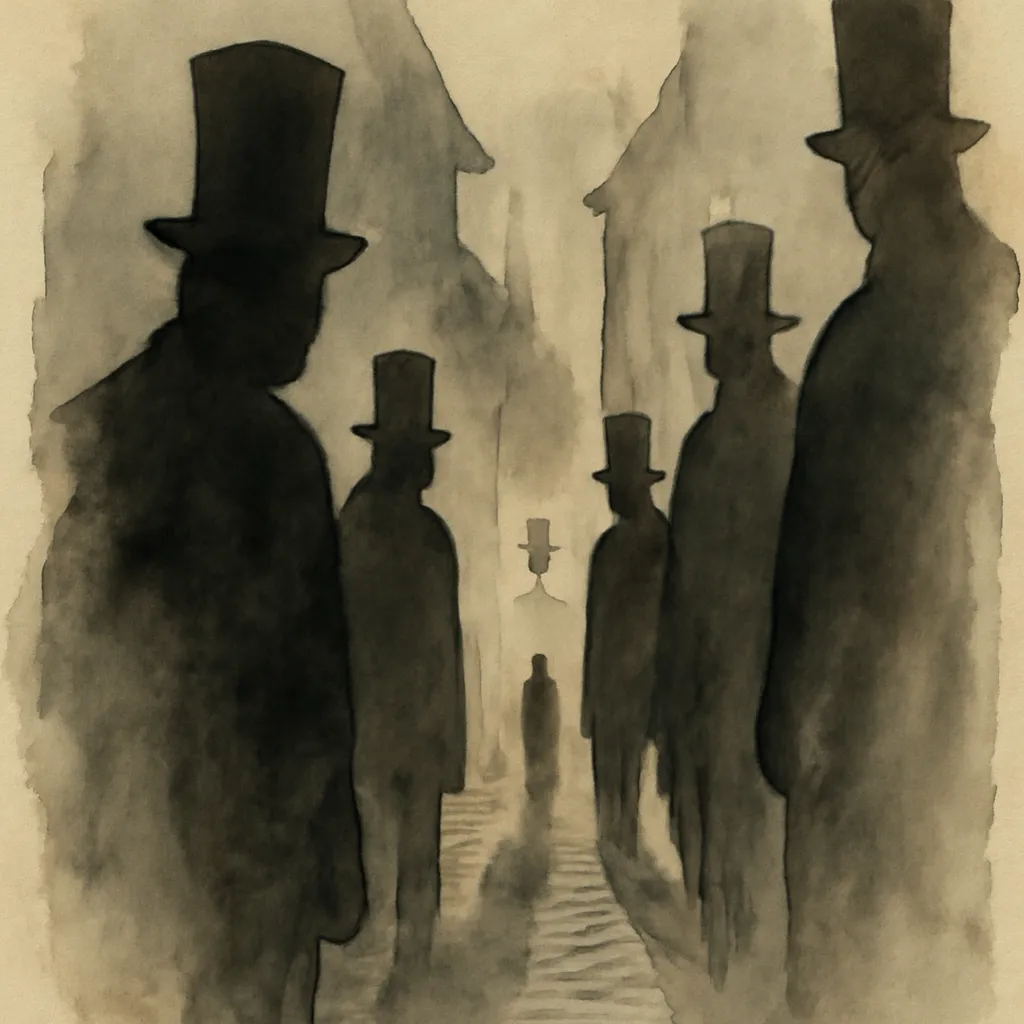
Nicholas's encounters with various characters throughout the novel reveal the pervasive oppression within society. Figures like Ralph Nickleby represent the ruthless, self-serving nature of individuals who exploit their power for personal gain. Ralph’s indifference to the suffering of his family, particularly his sister-in-law and her children, highlights a moral decay intertwined with wealth and status. Throughout the narrative, Nicholas emerges as a symbol of hope, striving to uplift those around him, including his friend Smike, a mistreated boy at Dotheboys Hall. Their relationship showcases the profound impact of kindness and friendship as a means of resisting oppression. Dickens emphasizes that even in the face of overwhelming adversity, individuals can find strength through solidarity. This theme resonates deeply, illustrating the struggle against the injustices that pervade Victorian society, urging readers to consider the moral implications of their actions and the structures that uphold systemic inequality. The contrast between Nicholas's idealism and Ralph's materialism serves as a powerful commentary on the moral choices individuals make, framing the fight against oppression as not just a personal battle but a broader societal one.
4.The Role of the Arts
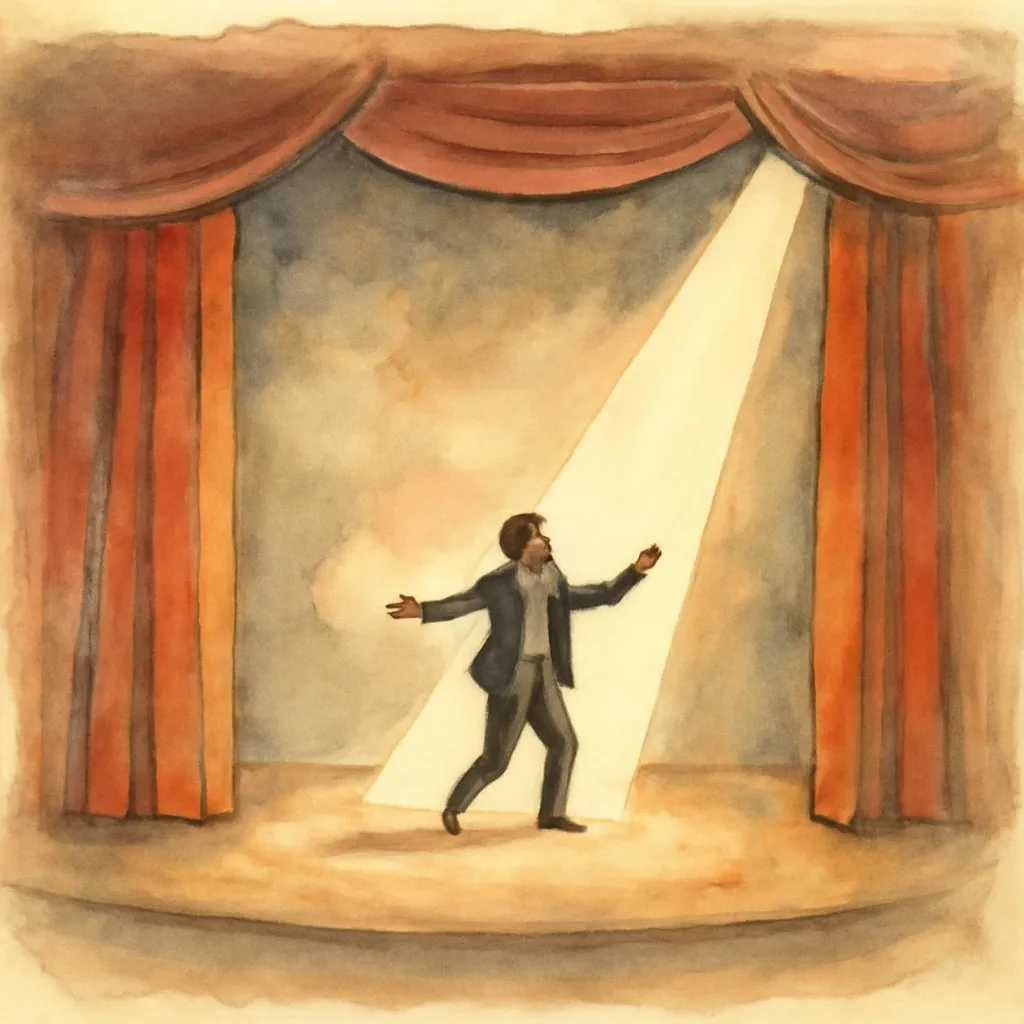
The world of theater plays a significant role in Nicholas Nickleby's journey, particularly through his interactions with Mr. Vincent Crummles, a theatrical manager. This subplot serves as a commentary on the arts as a form of escape and expression amidst hardship. Nicholas's foray into acting opens doors for him, allowing him to explore his talents while temporarily escaping the grim realities of his life. The theater becomes a space where characters can reinvent themselves, offering a stark contrast to their everyday struggles. Through performances, characters find a sense of belonging and purpose that eludes them in the harsh realities of their daily lives. Dickens uses the theatrical elements to highlight the transformative power of creativity, suggesting that art provides an essential outlet for human expression, even in the bleakest circumstances. This exploration of the arts underscores the idea that creativity can galvanize individuals to confront their challenges, providing both solace and inspiration in the quest for a better life. The theater not only entertains but also serves as a mirror reflecting societal issues, prompting audiences to engage with the narrative on a deeper level.
5.Social Class and Inequality
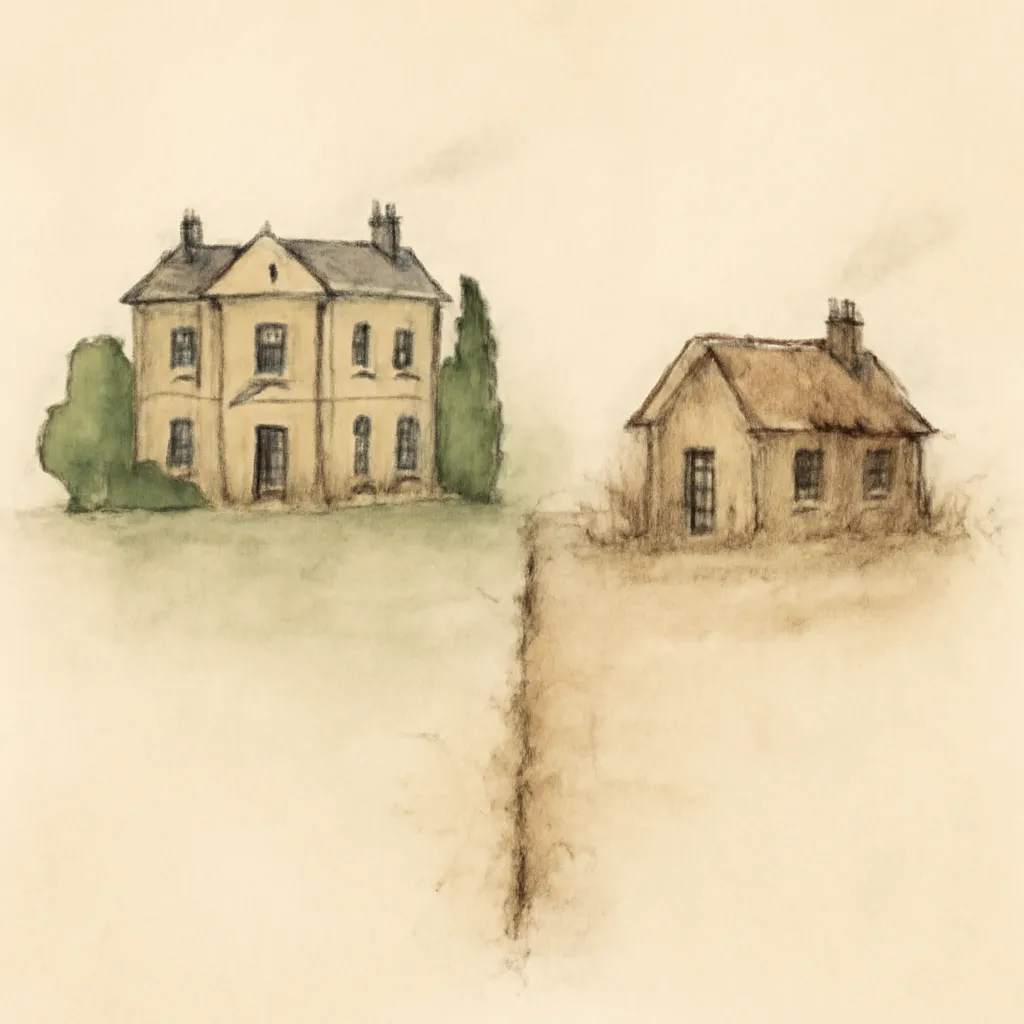
Dickens meticulously examines the class disparities that permeate Victorian society, portraying characters from various social strata. The Nickleby family's descent from relative comfort to poverty underscores the precarious nature of social status, with Nicholas's journey highlighting the fluidity of class. Through encounters with the wealthy and the destitute, Dickens critiques the indifference of the upper classes towards the plight of the poor. Characters like Miss Knag exemplify the elitism that fuels societal division, as she embodies snobbery and disdain for those beneath her. The novel's setting in a starkly stratified society provides a backdrop for exploring the broader implications of wealth and privilege. This exploration of class not only enhances the narrative's complexity but also challenges readers to critically assess the moral implications of their societal structures on the lives of individuals. By casting a spotlight on social inequality, Dickens urges readers to consider the profound impact of their societal norms on the lives of those less fortunate, prompting a reflection on compassion and responsibility.
6.The Power of Friendship

Amidst the challenges faced by Nicholas, the theme of friendship emerges as a powerful force in his life. His bond with Smike is particularly poignant, showcasing the strength found in solidarity amidst adversity. Their relationship is one of mutual support, as they confront the injustices of their circumstances together. Smike, despite being mistreated and marginalized, finds hope in Nicholas's kindness, while Nicholas draws strength from their friendship. This dynamic becomes essential as they navigate the oppressive environment of Dotheboys Hall and later, the trials of London. Dickens emphasizes that genuine connections can provide solace and resilience, demonstrating that in times of hardship, camaraderie can be a source of strength. Through this portrayal, the narrative reinforces the idea that friendship is not merely a social construct but a lifeline that can transform despair into hope. The contrast between the friendships that uplift and the relationships that oppress serves to highlight the importance of choosing one's companions wisely, suggesting that true friendship can elevate individuals above their circumstances.
7.Romantic Aspirations
Romance plays a significant role in the development of the narrative, particularly through the character of Kate Nickleby. As she navigates her own struggles in the workforce, her romantic aspirations become intertwined with her quest for independence. The challenges she faces in the dressmaking establishment reveal the limited opportunities available to women during this era, as Kate contends with both economic pressures and societal expectations. Her relationship with characters like the charming but ultimately untrustworthy Sir Mulberry Hawk raises critical questions about love, betrayal, and the societal pressures placed on women to secure advantageous marriages. The subtleties of Kate's interactions illustrate the complexities of love, especially in a world where romantic relationships are often transactional and based on social standing. This subplot adds depth to Kate's character, illustrating her resilience and determination to forge her own path despite the constraints imposed upon her. Through her journey, Dickens explores the intricacies of romantic relationships, emphasizing that love can be both a source of inspiration and a potential trap, thereby encouraging readers to navigate their own desires with caution and integrity.
8.The Complexity of Human Nature
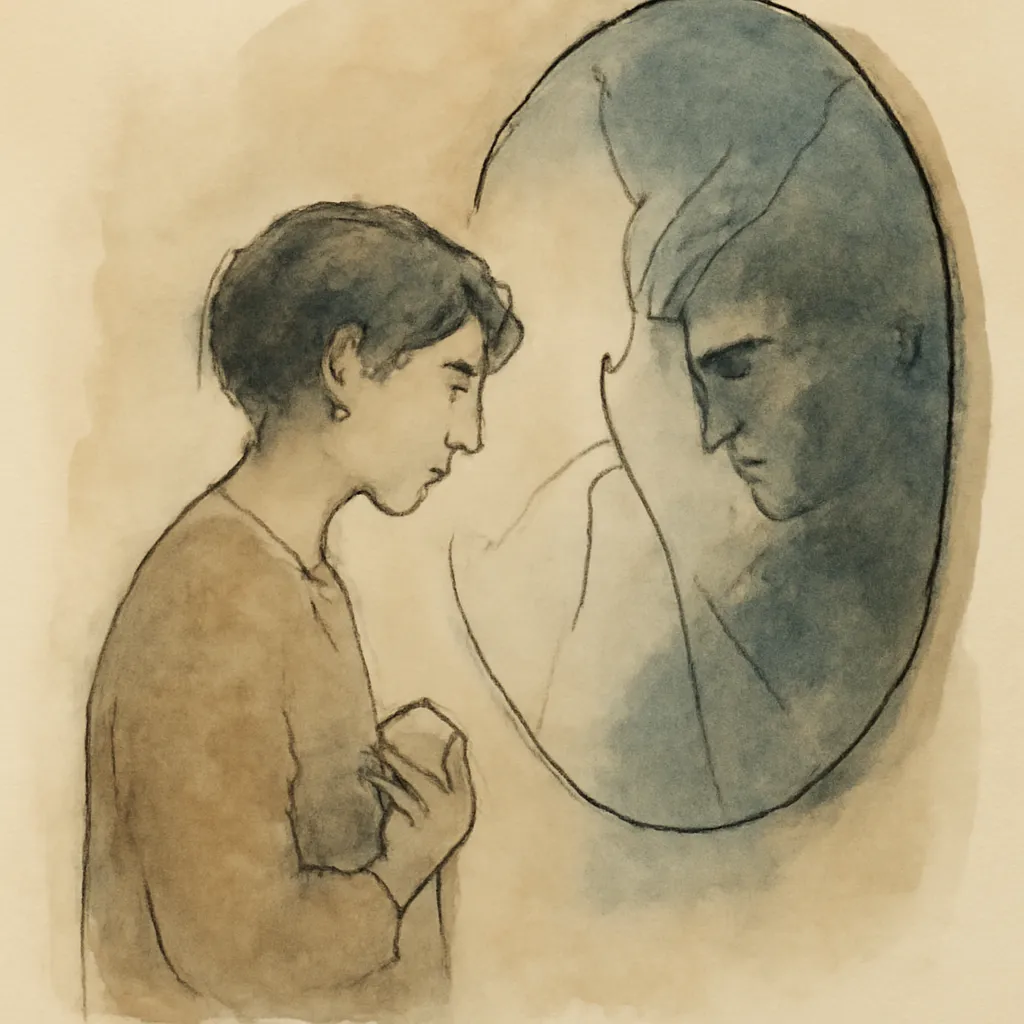
Throughout the novel, Dickens presents a nuanced portrayal of human nature, recognizing that individuals often embody a blend of virtues and vices. Characters like Ralph Nickleby epitomize this complexity; while he embodies greed and selfishness, moments of vulnerability reveal the motivations behind his cruel actions. Similarly, Nicholas, despite his noble intentions, grapples with anger and frustration as he confronts the injustices around him. This exploration of moral ambiguity invites readers to consider the factors that shape behavior, prompting reflections on empathy and understanding in the face of human flaws. Dickens's characters, rather than being one-dimensional, are crafted with depth, illustrating the intricacies of human experience and the capacity for growth and change. This layered representation encourages readers to approach others with compassion, acknowledging that everyone has a story that informs their actions. By showcasing the multifaceted nature of his characters, Dickens challenges readers to reflect on their own judgments and the complexities of human interaction.
9.The Importance of Hope
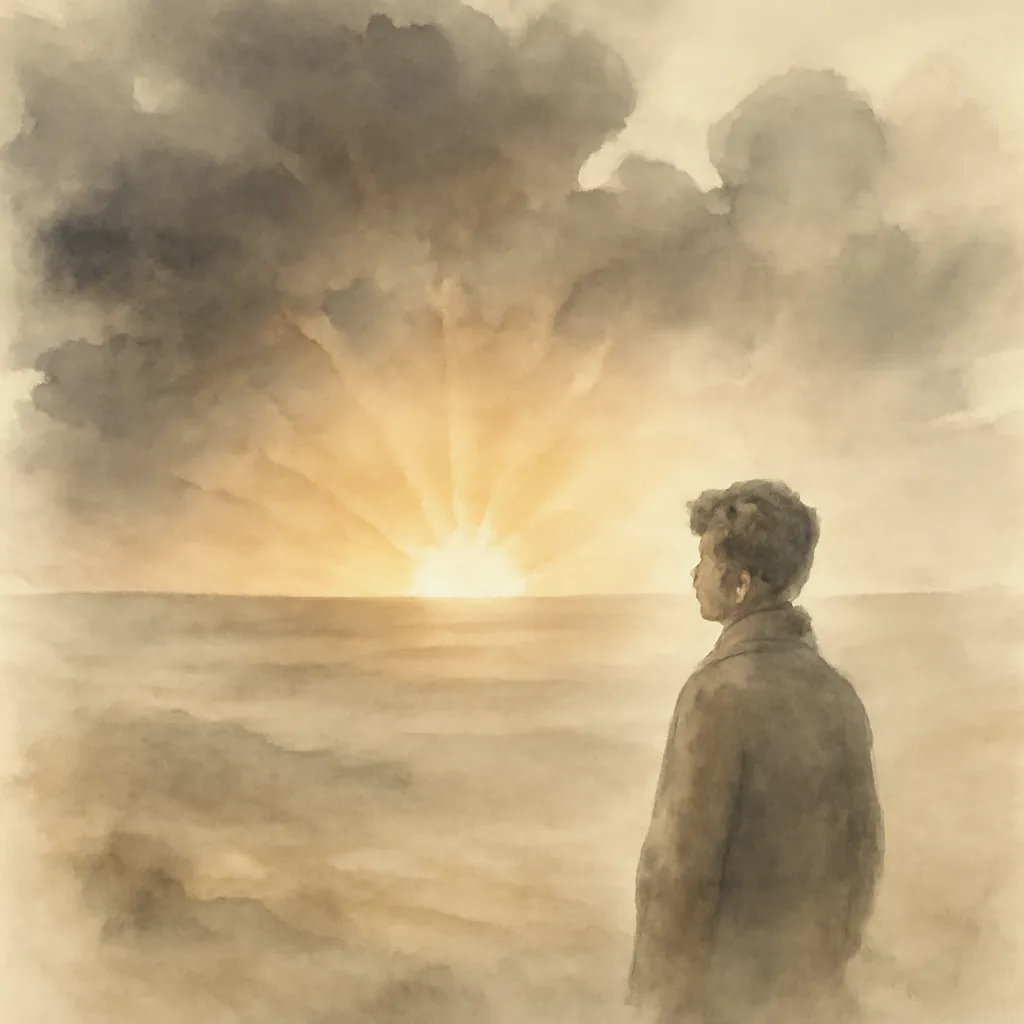
In the face of overwhelming adversity, hope emerges as a central theme in Nicholas Nickleby. Despite the bleak circumstances that surround him, Nicholas maintains an unwavering belief in the possibility of a better future. His optimism is palpable as he strives to uplift those around him, whether through his efforts to improve the lives of the children at Dotheboys Hall or his commitment to supporting his family. Dickens suggests that hope is a powerful motivator, capable of inspiring individuals to take action against injustice. The novel ultimately serves as a testament to the resilience of the human spirit, demonstrating that even in the darkest moments, hope can act as a guiding light. This theme resonates deeply with readers, reinforcing the idea that perseverance and faith in a brighter tomorrow can empower individuals to overcome their circumstances. The journey of Nicholas illustrates that while the world may be filled with hardship, the act of holding onto hope can catalyze profound change, both personally and socially.