1.The Power of Fate
From the very start, 'Romeo and Juliet' is steeped in the theme of fate, as highlighted by the Chorus, which describes the lovers as 'star-cross'd.' This notion suggests that their destinies are preordained, leading to inevitable tragedy. The characters frequently reference fate, expressing a sense of helplessness in the face of their circumstances. For instance, Romeo's foreboding dreams and Juliet's anxious thoughts about their love suggest that despite their efforts, they are trapped in a web of fate that they cannot escape. This fatalism raises questions about the extent to which individuals can control their destinies and the role of external forces in shaping their lives.
2.Love as a Transformative Force
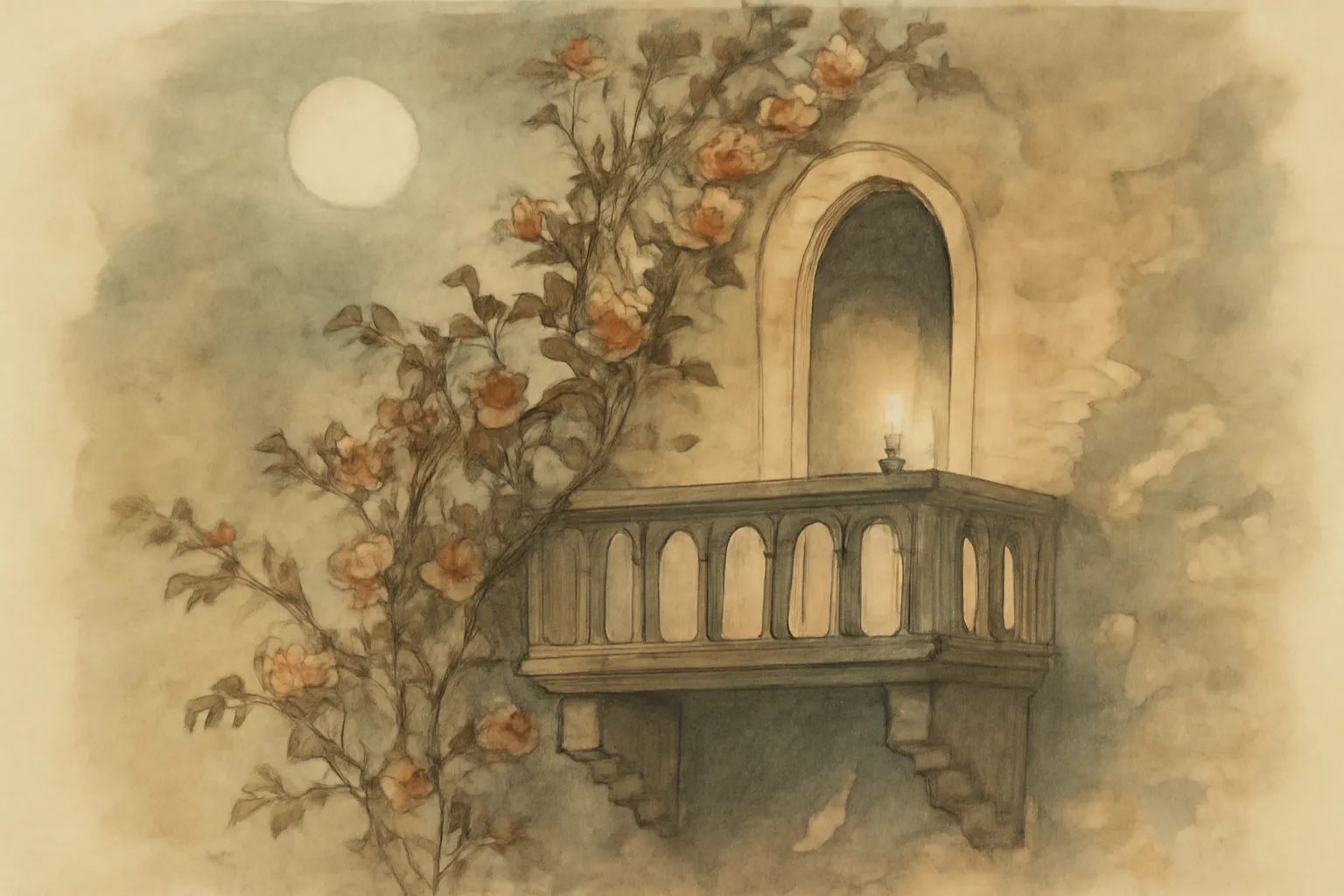
Shakespeare portrays love as a powerful, transformative force that can elevate individuals beyond their everyday existence. Romeo's love for Juliet ignites a new passion within him, contrasting sharply with his earlier infatuation with Rosaline. This intense love inspires poetic expressions and profound emotions, leading him to abandon his former melancholy. Similarly, Juliet's love for Romeo empowers her to defy her family and societal expectations. Their relationship transcends the boundaries of their feuding families, demonstrating how love can challenge social norms and bring about personal growth. However, Shakespeare also illustrates that love can lead to reckless behavior, as seen in their impulsive decisions that ultimately contribute to their tragic fate.
3.Youthful Impulsiveness
The impulsive nature of youth is a central theme in the play, exemplified by the whirlwind romance between Romeo and Juliet. Their attraction is immediate and intense, leading them to marry within days of meeting. This haste reflects the passionate but often reckless behavior characteristic of youth. Shakespeare uses their impulsiveness to highlight both the beauty and danger of young love, as their decisions are made without fully considering the consequences. The tragic outcomes serve as a cautionary tale about the potential perils of acting on instinct and emotion rather than reason and foresight. The contrast between the lovers' fervent desires and the calculated responses of the older characters underscores the generational divide in understanding love and responsibility.
4.The Role of Family Loyalty
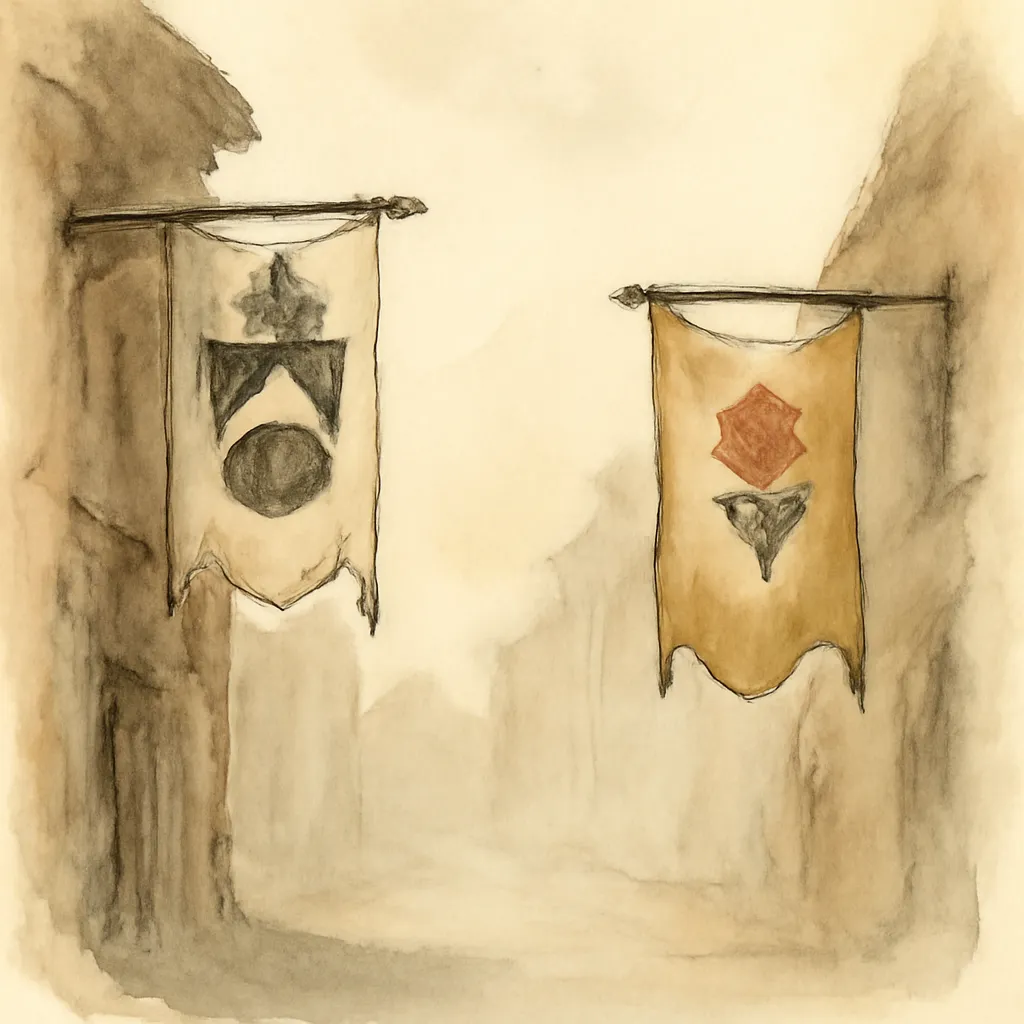
Family loyalty is a driving force in 'Romeo and Juliet,' influencing the actions and motivations of key characters. The feud between the Montagues and Capulets creates an environment of hostility and division, compelling Romeo and Juliet to hide their love. Their families' expectations and rivalries dictate their choices, ultimately leading to tragedy. Tybalt, as a staunch defender of the Capulet honor, embodies the destructive nature of loyalty when it causes him to kill Mercutio, setting off a chain of events that leads to the lovers' demise. Shakespeare critiques the notion of loyalty when it becomes blind and leads to violence, suggesting that such allegiances can hinder personal happiness and promote conflict.
5.The Impact of Miscommunication
Miscommunication plays a crucial role in the tragic unfolding of events in 'Romeo and Juliet.' Key misunderstandings, such as the failure to deliver Friar Lawrence's letter to Romeo, lead to catastrophic consequences. This theme underscores the fragility of human relationships and the importance of clear communication in love. The lovers' secrecy, while necessary due to their families' enmity, also contributes to their isolation and the misunderstandings that ensue. Shakespeare highlights how the lack of open dialogue can exacerbate conflicts and lead to tragic outcomes, emphasizing the need for honesty and clarity in relationships.
6.The Contrast of Light and Dark
Shakespeare employs a rich contrast of light and dark imagery throughout 'Romeo and Juliet' to symbolize the lovers' experiences. Light often represents love, beauty, and hope, while darkness signifies danger, secrecy, and death. For instance, Romeo describes Juliet as the sun, illuminating his life and dispelling the darkness of his previous despair. However, their love story unfolds in secret, shrouded in darkness, which foreshadows the tragic events to come. This interplay of light and dark not only enhances the emotional depth of their romance but also serves as a metaphor for the duality of love—its capacity for joy and its potential for destruction.
7.The Role of Fate vs. Free Will
The tension between fate and free will is a central conflict in 'Romeo and Juliet.' While the characters make choices that reflect their desires and ambitions, they are also subject to the whims of fate, leading to tragic outcomes. Romeo and Juliet's decision to marry in secret is an act of free will that ultimately leads to their undoing, raising questions about whether they are victims of fate or architects of their own demise. Shakespeare suggests that while individuals can exercise free will, they are still bound by the larger forces of fate that can dictate the course of their lives. This duality invites audiences to reflect on the extent to which they control their destinies versus being steered by fate.
8.The Nature of Violence and Revenge
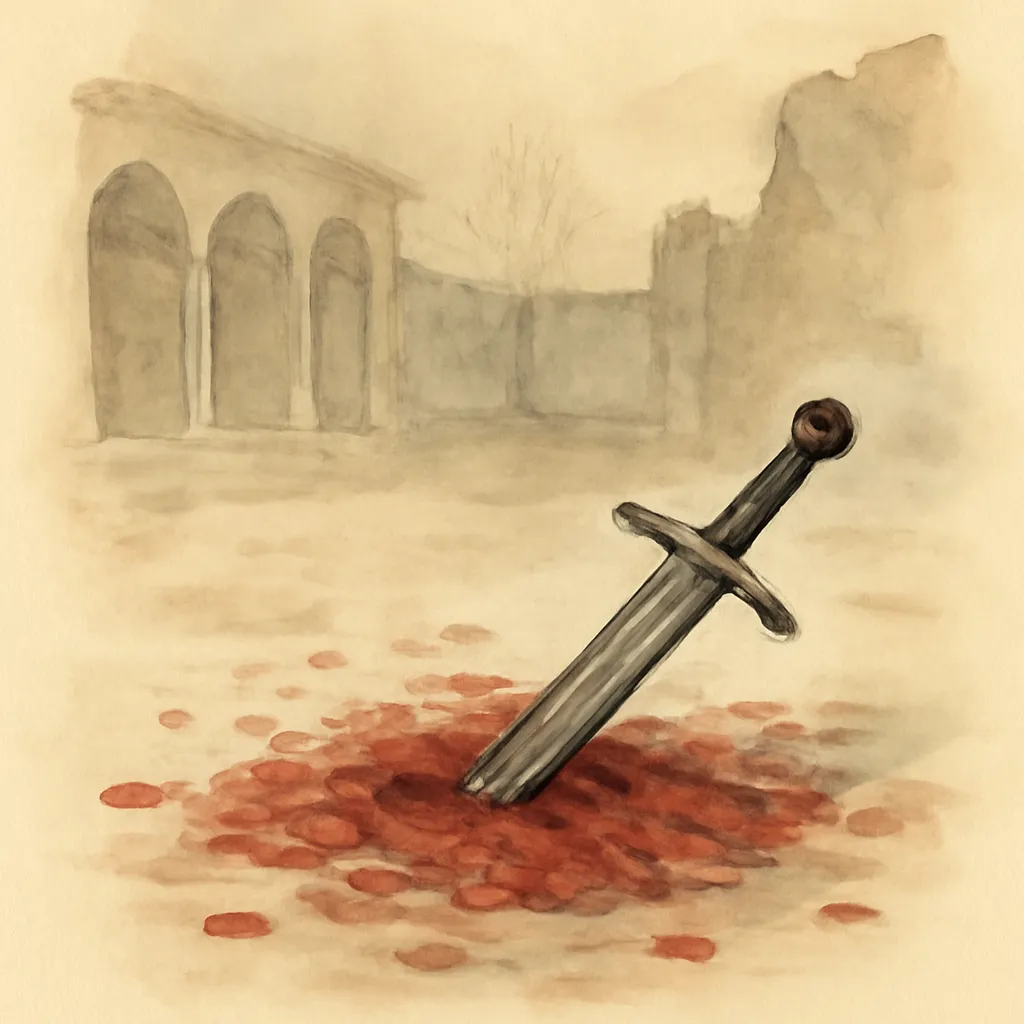
Violence and revenge are pervasive themes in 'Romeo and Juliet,' reflecting the brutal realities of the feud between the Montagues and Capulets. The play opens with a brawl instigated by the servants of both houses, setting the tone for the ongoing conflict. Tybalt's aggression and desire for revenge culminate in the death of Mercutio and later, Romeo, showcasing how violence perpetuates the cycle of hatred. Shakespeare critiques the culture of honor that demands retribution, suggesting that such violence only leads to more suffering. The tragic consequences of these violent acts underscore the futility of revenge and the profound impact it has on individuals and families.
9.The Influence of Secondary Characters
Secondary characters in 'Romeo and Juliet' serve to highlight the main themes and character development, each contributing to the narrative's depth. Mercutio, with his witty banter and sharp insights, embodies the spirit of youthful exuberance but also foreshadows the tragedy to come through his death. The Nurse, who initially supports Juliet's romance, ultimately becomes a source of conflict when she encourages Juliet to marry Paris after Romeo’s banishment. Characters like Friar Lawrence serve as catalysts for the action, providing crucial advice that, while well-intentioned, leads to disastrous outcomes. Through these characters, Shakespeare explores the complexities of love, loyalty, and the societal pressures that shape the protagonists' fates.
10.The Tragic Conclusion and Its Implications
The conclusion of 'Romeo and Juliet' is marked by profound tragedy, as both lovers take their lives in a desperate attempt to be together. This tragic ending serves as a poignant commentary on the consequences of hatred, misunderstandings, and the societal constraints imposed by family loyalty. Their deaths ultimately reconcile the feuding families, highlighting the senselessness of their rivalry. Shakespeare leaves the audience with a powerful message about the need for compassion and understanding, urging them to consider the impact of their actions on others. The tragic fate of Romeo and Juliet resonates through time, serving as a reminder of the fragility of life and the importance of love and empathy in overcoming conflict.