1.The Desire for Procreation
In the opening sonnet, Shakespeare articulates a universal desire for beauty to propagate itself through future generations. The poet laments that the young man, who possesses such beauty, is selfishly hoarding it rather than sharing it with the world. The line, "Thou that art now the world’s fresh ornament, And only herald to the gaudy spring," encapsulates the importance of legacy and the intrinsic value of passing on beauty, not just for personal satisfaction but for the enrichment of society. The tension between self-love and the duty to others is a recurring theme throughout the sonnets, suggesting that true fulfillment comes from contributing to the continuity of life and beauty. Shakespeare’s plea for the young man to create children becomes a metaphor for the need to share one’s gifts and talents with the world, emphasizing that individual beauty should not be wasted in solitude.
2.The Inevitability of Aging
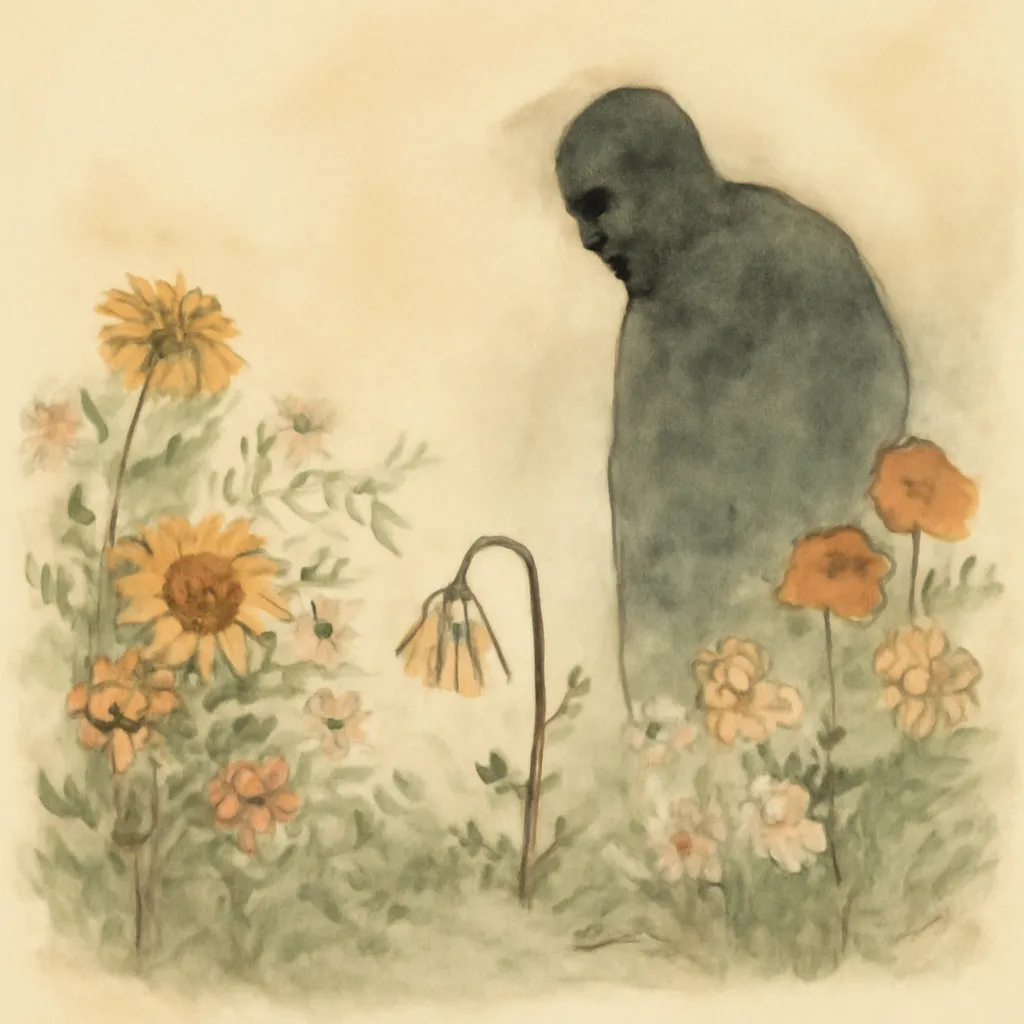
Shakespeare poignantly addresses the ravages of time and the inevitable decline of beauty in several sonnets. For instance, in Sonnet 2, the poet warns the young man that his beauty will fade, comparing it to a 'tatter’d weed of small worth held.' This stark reminder of mortality serves as a catalyst for the young man to consider procreation as a means of preserving his beauty. The contrast between the youth’s current vibrant life and the certainty of aging deepens the emotional weight of the argument. Shakespeare highlights that, despite the inevitability of decline, there exists a power in creating life: "This fair child of mine / Shall sum my count, and make my old excuse." This invites reflection on how one can achieve a form of immortality by living through their offspring, thereby ensuring that their essence carries on, even as their physical presence diminishes.
3.Self-Reflection and Identity
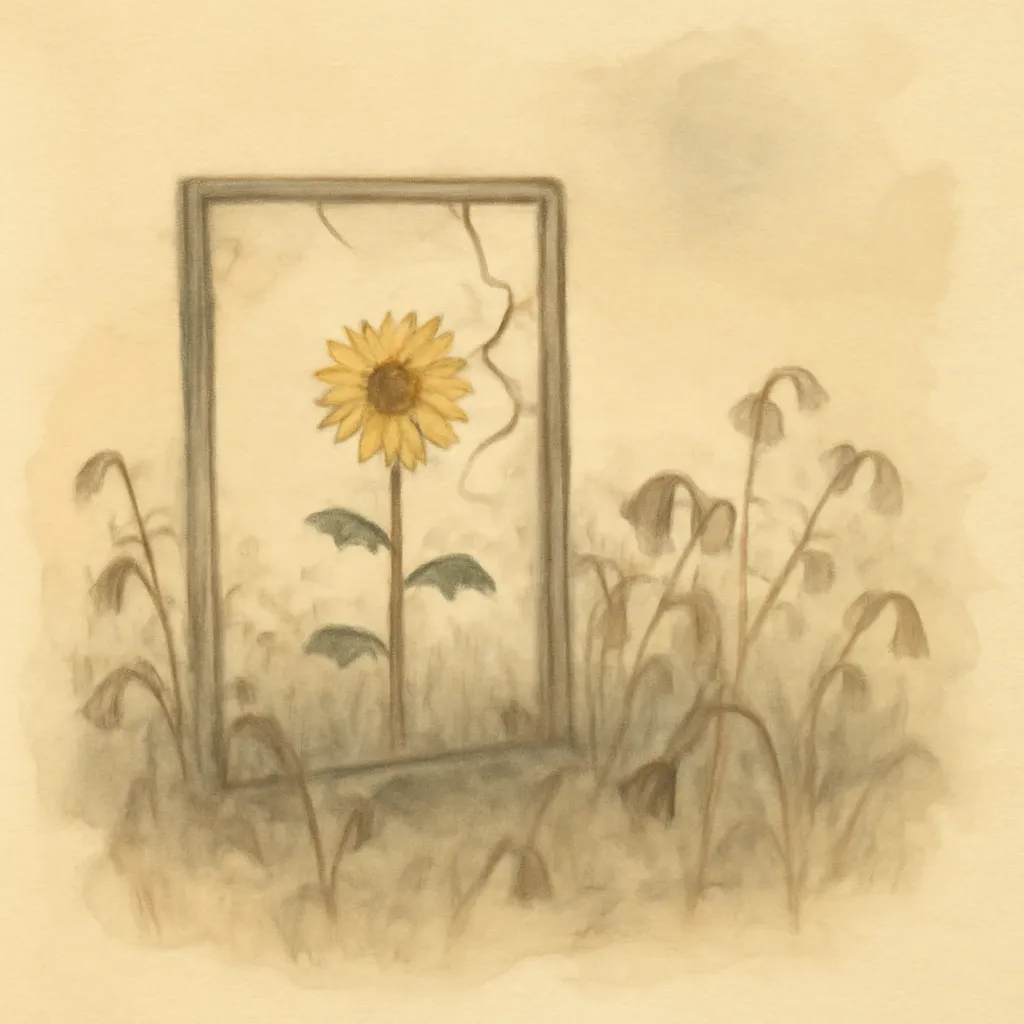
The sonnets frequently explore themes of self-reflection and identity, particularly in the context of love. Shakespeare invites the young man to look at himself and consider the legacy he leaves behind. In Sonnet 3, he implores, "Look in thy glass and tell the face thou viewest / Now is the time that face should form another." Here, the act of looking into a mirror becomes a metaphor for introspection, urging the young man to assess not only his external beauty but also the impact of his existence. This call for self-examination emphasizes that one's true identity is not solely defined by physical appearance but also by the relationships and legacies one creates. The poet’s insistence on procreation underscores the idea that one's essence can live on through others, complicating the relationship between self and progeny, and suggesting that our identities are intertwined with those we love.
4.The Nature of Beauty
Shakespeare's exploration of beauty is multifaceted, contrasting external appearances with deeper truths. In Sonnet 18, he famously compares the young man to a summer's day, declaring, "Thou art more lovely and more temperate." This juxtaposition elevates the subject's beauty beyond fleeting seasons, suggesting a transcendence that art can achieve. The poet's assertion that the young man's beauty will not fade, thanks to the lines of poetry, highlights the power of art to immortalize what is ephemeral. Shakespeare captures the essence of beauty, suggesting that while physical looks may be transient, the attributes of inner virtue and the impact of one’s character can endure through art. This theme of beauty as a double-edged sword—captivating yet fleeting—encourages readers to consider what aspects of beauty are worth preserving and why.
5.Love's Complexities

The sonnets delve into the complexities of love, portraying it as both a source of joy and profound suffering. Shakespeare does not shy away from depicting the darker aspects of love, including jealousy, betrayal, and heartache. In Sonnet 30, the poet reflects on lost friendships and the pain of unfulfilled desires, stating, "When to the sessions of sweet silent thought I summon up remembrance of things past, I sigh the lack of many a thing I sought." This introspection reveals the bittersweet nature of love, where memories of joy are often intertwined with sorrow. Shakespeare’s nuanced portrayal of love emphasizes its duality, capturing the range of human emotions that accompany romantic relationships. The poet's exploration of jealousy, particularly in the context of the young man’s romantic entanglements, illustrates the vulnerability and pain that often accompany deep affection. Such complexity makes the portrayal of love relatable, resonating with readers who have experienced similar emotional struggles.
6.Immortality through Art
A significant theme throughout the sonnets is the quest for immortality through art. Shakespeare posits that while physical beauty may fade, the written word can preserve one's essence indefinitely. In Sonnet 55, he asserts, "Not marble, nor the gilded monuments / Of princes, shall outlive this powerful rhyme." This statement encapsulates the belief that poetry can achieve a form of eternal life, allowing the subject of his verses to remain alive in the hearts and minds of future generations. The poet's commitment to capturing beauty and truth through his art becomes a powerful statement about the role of the artist in society and the potential for literature to transcend time. Shakespeare’s assertion of the superiority of poetry over physical monuments invites readers to consider how their own legacies might be shaped by the words they leave behind, reinforcing the profound impact that art can have.
7.The Nature of Time
Shakespeare's contemplation of time is central to the sonnets, reflecting its destructive and restorative powers. Time is depicted as an omnipresent force that can both enhance and diminish beauty. In Sonnet 60, the poet writes, "Like as the waves make towards the pebbled shore, / So do our minutes hasten to their end." This metaphor illustrates the relentless march of time, urging readers to confront their mortality. Yet, within this acknowledgment lies a call to embrace the present and make meaningful contributions to life. Shakespeare delves into the idea that time transforms relationships, as the beauty of youth inevitably succumbs to age. The poet’s reflections on time serve as a reminder of the urgency to act before beauty fades, ultimately reinforcing the importance of legacy and the impact of individual actions in the face of time's passage.
8.Love and Betrayal
The tension between love and betrayal is a recurring motif in the sonnets, often manifesting through feelings of jealousy and insecurity. In Sonnet 42, Shakespeare grapples with the pain of unrequited love, stating, "That thou hast her it is not all my grief, / And yet it may be said I loved her dearly." This admission reveals the complex emotional landscape of love, where one’s affection can be intertwined with feelings of loss and betrayal. The poet's willingness to confront these painful emotions adds depth to his exploration of love, highlighting the vulnerability inherent in intimate relationships. Shakespeare's depiction of betrayal speaks to the fragility of love and trust, reminding readers that the heart is susceptible to pain, making the joy of love even more precious.
9.The Role of the Poet
Shakespeare's role as a poet is intricately woven throughout the sonnets, as he grapples with the responsibilities and limitations of his craft. He often reflects on the act of writing itself, questioning the value of his words in capturing the essence of love and beauty. In Sonnet 79, he acknowledges that his creations may fall short, stating, "I grant, sweet love, thy lovely argument / Deserves the travail of a worthier pen." This humility reveals the poet's awareness of the challenges inherent in articulating profound emotions. Shakespeare’s self-reflection as a writer underscores the idea that poetry is not merely a vehicle for praise but a complex interplay of language, emotion, and artistic expression. This meta-poetic commentary encourages readers to consider the nature of creativity and the burdens that accompany the artist's calling.
10.The Power of Memory
Memory plays a crucial role in the sonnets, serving as a bridge between love and loss. Shakespeare often invokes memories of past joys and sorrows to illustrate the enduring impact of love. In Sonnet 30, he reflects on the passage of time and its effect on cherished memories, expressing a longing for the past. This exploration of memory emphasizes the idea that while time may erode physical beauty, the emotional resonance of love can persist. The poet's ability to evoke nostalgia allows readers to connect with their own experiences, reinforcing the timeless nature of Shakespeare's reflections on love and loss. Memory becomes a powerful theme that underscores how past experiences shape present emotions, making the sonnets not merely reflections on love but also meditations on the nature of existence.